Fishes
Page 9 of 21
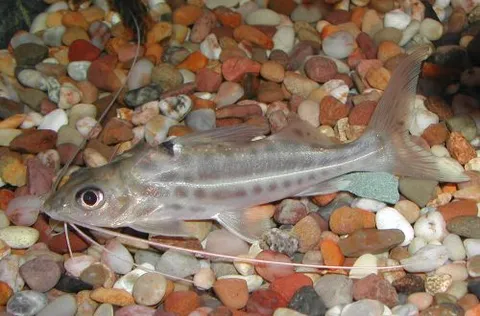
Four-banded Pimelodus
Pimelodidae (Long-whiskered Catfishes)
Pimelodus blochii
Pimelodus blochii, known as the four-banded pimelodus, belongs to the family Pimelodidae. This catfish species has many names in different countries; it has been given especially many names in Brazil, where it is most…
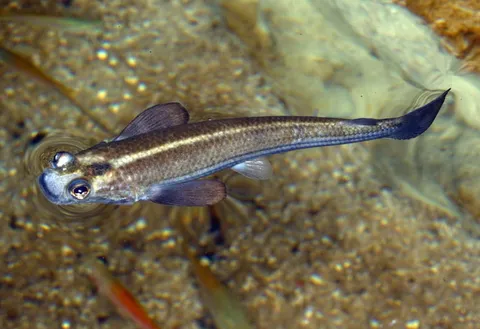
Four-eyed fish
Anablepidae (Four-eyed fish)
Anableps anableps
Anableps anableps, commonly known as the Four-eyed fish, belongs to the family Anablepidae. This species of tropical fish is particularly interesting due to its unusual eye structure. Although the fish has only two…
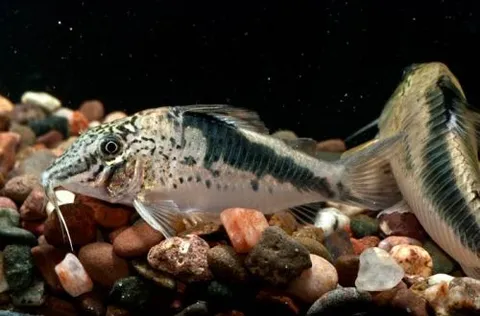
Fowler's Corydoras
Armored Catfish (Callichthyidae)
Corydoras fowleri
Fowler's Corydoras, also known as Corydoras fowleri, belongs to the family Callichthyidae, or Armored Catfishes. This fish is named after the American zoologist Henry Weed Fowler (1878–1965); the species itself was…
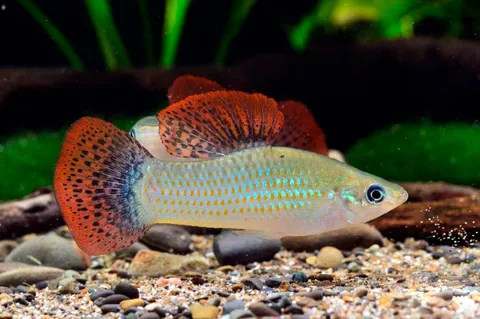
Free Molly
Poeciliidae
Poecilia salvatoris
The Free Molly, also known as Poecilia salvatoris, belongs to the family Poeciliidae, which includes livebearers or gambusias. Discovered in 1907, this fish lost its species identity shortly after its description. For a…
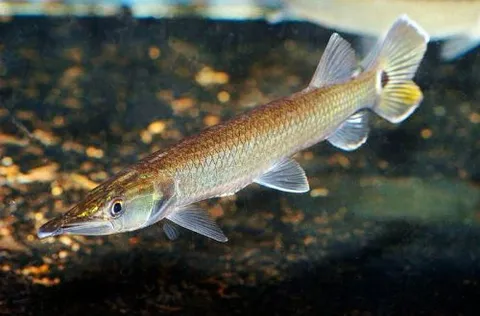
Freshwater Barracuda
Ctenoluciidae
Ctenolucius hujeta
Ctenolucius hujeta, more commonly known as the Freshwater Barracuda or Pike Characin, is a member of the Ctenoluciidae family. This species is a fast and efficient predator. Despite its predatory lifestyle, it is…
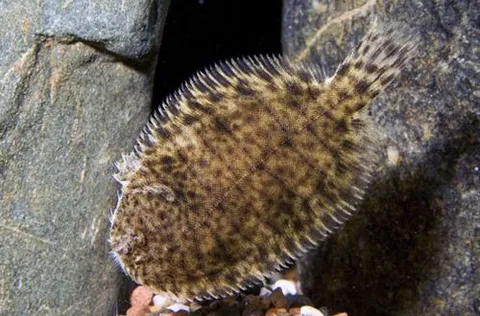
Freshwater Flounder
Soleidae
Brachirus panoides
Brachirus panoides, or the freshwater flounder, belongs to the family Soleidae. This species stands out with its unique appearance, which is hard to confuse with others. Although caring for this fish is considered…
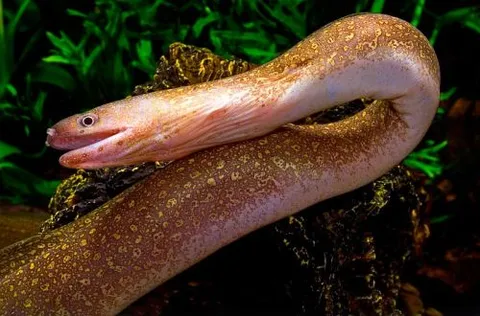
Freshwater Moray Eel
Moray Eels (Muraenidae)
Gymnothorax tile
The scientific name Gymnothorax tile belongs to the Muraenidae family. This species is known as the freshwater or Indian mud moray eel. This exotic fish, although often considered an inhabitant of marine aquariums, is…
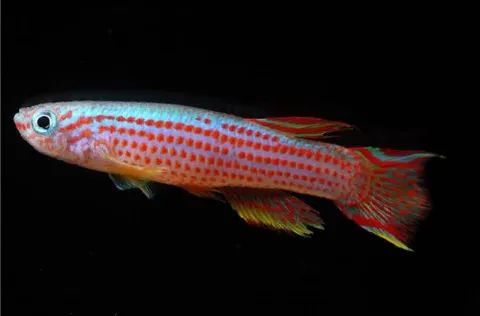
Gabon Killifish
Nothobranchiidae
Aphyosemion gabunense
The Gabon Killifish, or Aphyosemion gabunense, belongs to the family Nothobranchiidae. This miniature fish boasts iridescent, vibrant coloration, which varies depending on its region of origin. Accordingly, three…
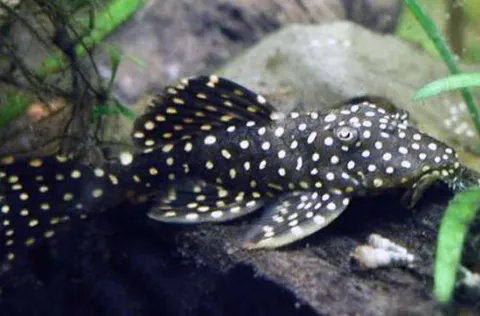
Galaxy Pleco
Armored Catfishes (Loricariidae)
Leporacanthicus galaxias
Leporacanthicus galaxias, also known as the Galaxy Pleco, belongs to the family Loricariidae (Armored Catfishes), and its scientific name is Leporacanthicus galaxias. This catfish originates from South America,…
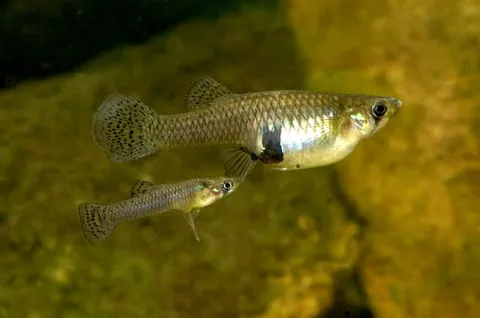
Gambusia
Poeciliidae
Gambusia holbrooki
Gambusia, also known as the Mosquito fish, bears the scientific name Gambusia holbrooki and is a member of the Poeciliidae family. This lively and very active fish is renowned for its hardiness. It easily adapts to…
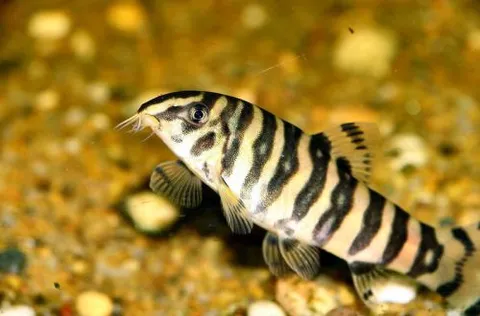
Gangetic Loach
Botiidae
Botia rostrata
Botia rostrata, also known as the Gangetic Loach, belongs to the family Botiidae (Loaches) and bears the scientific name Gangetic loach. When young, the fish is distinguished by its bright coloration, which becomes more…
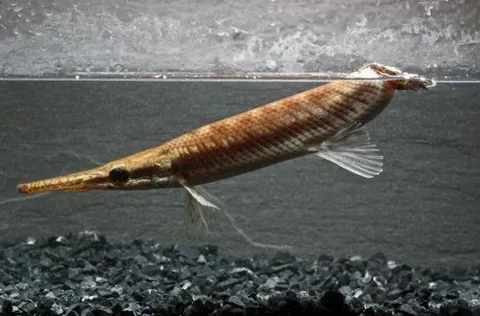
Gar
Gars (Lepisosteidae)
Lepisosteidae
The family Lepisosteidae unites several closely related species, collectively known as Gars. These fish are rightly considered among the most ancient inhabitants of freshwaters, having survived practically in their…
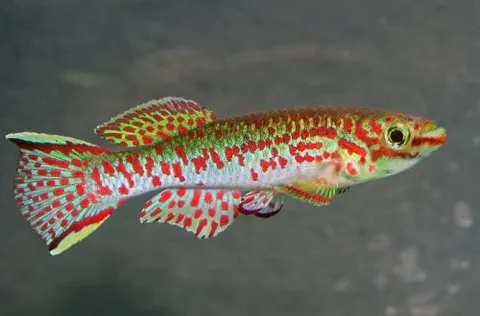
Gardner's Killifish
Nothobranchiidae
Fundulopanchax gardneri
Gardner's Killifish, also known as Fundulopanchax gardneri (scientific name Fundulopanchax gardneri), belongs to the family Nothobranchiidae. This vibrant and attractive fish is easy to keep and successfully breed, and…
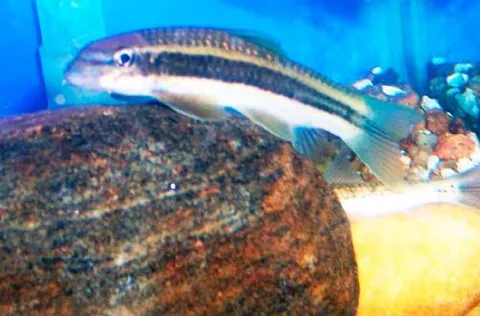
Garra mullya
Cyprinids (Cyprinidae)
Garra mullya
Garra mullya, a representative of the family Cyprinidae, is native to Asia. This species is widespread in the river systems of India and Nepal. It can be found everywhere – from shallow mountain streams to large rivers…
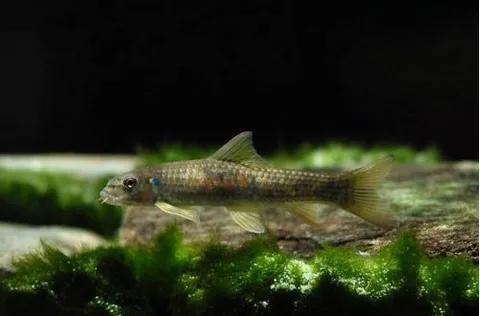
Garra rufa
Cyprinids (Cyprinidae)
Garra rufa
Garra rufa, also known as the Doctor Fish (scientific name Garra rufa), belongs to the Cyprinidae family. It is rightly considered one of the most recognizable fish, but its popularity is not associated with home…
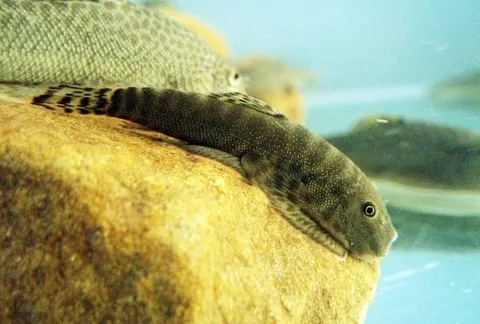
Gastromyzon cornusaccus
River Loaches (Balitoridae)
Gastromyzon cornusaccus
Gastromyzon cornusaccus, also known by its scientific name Gastromyzon cornusaccus, belongs to the family Balitoridae, or river loaches. It is quite rare in the aquarium trade, and its primary distribution area is among…
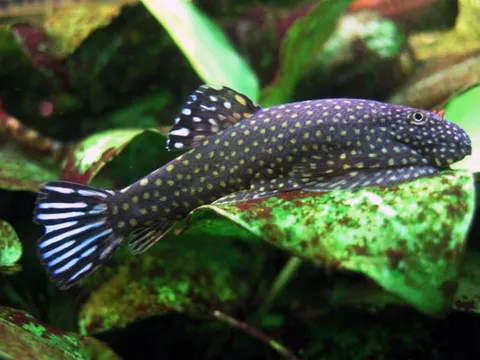
Gastromyzon ctenocephalus
River Loaches (Balitoridae)
Gastromyzon ctenocephalus
Gastromyzon ctenocephalus, also known as the Gastromyzon ctenocephalus, belongs to the family Balitoridae, which includes river loaches. This fish is endemic to the island of Borneo, or Kalimantan, and is found…
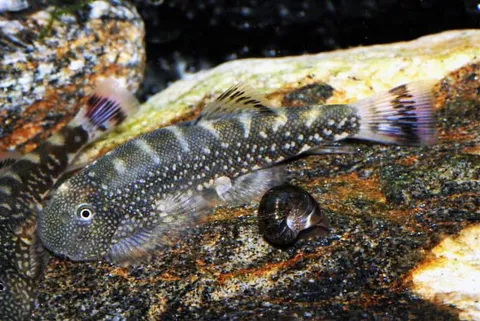
Gastromyzon farragus
River Loaches (Balitoridae)
Gastromyzon farragus
Among the representatives of the genus Gastromyzon, Gastromyzon farragus — such is its scientific name — is one of the most common species in the aquarium trade. This fish, belonging to the family Balitoridae (river…
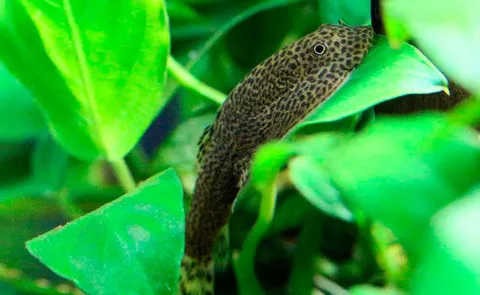
Gastromyzon fasciatus
River Loaches (Balitoridae)
Gastromyzon fasciatus
Gastromyzon fasciatus, known in the scientific community as Gastromyzon fasciatus, is a representative of the Balitoridae family, which includes river loaches. This species is native to Southeast Asia and is found…
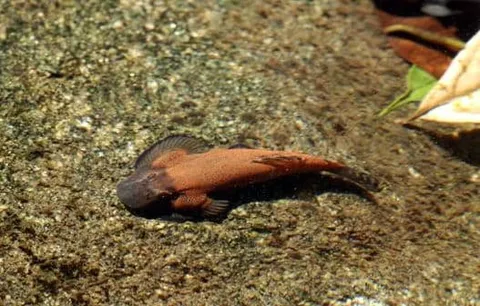
Gastromyzon lepidogaster
River Loaches (Balitoridae)
Gastromyzon lepidogaster
Gastromyzon lepidogaster, known scientifically as Gastromyzon lepidogaster, is a representative of the Balitoridae family, or River loaches. This species is endemic to the northern part of Borneo Island, located in…
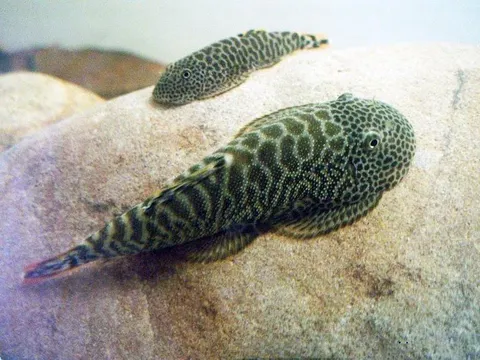
Gastromyzon monticola
River Loaches (Balitoridae)
Gastromyzon monticola
Gastromyzon monticola, known as the Gastromyzon monticola, is a representative of the Balitoridae family (River Loaches). This species is endemic to the island of Borneo, also known as Kalimantan. Its natural habitat is…
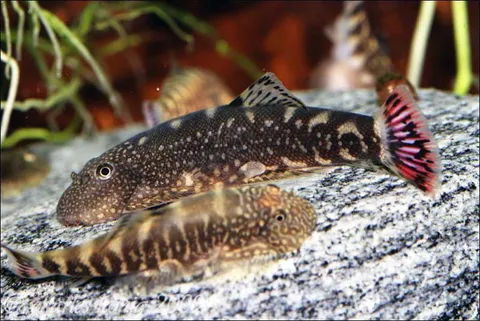
Gastromyzon ocellatus
River Loaches (Balitoridae)
Gastromyzon ocellatus
Gastromyzon ocellatus is an aquarium inhabitant from the family Balitoridae, also known as River Loaches. Its natural habitat is strictly limited to the island of Borneo: in the wild, it is found only in the Sarawak…
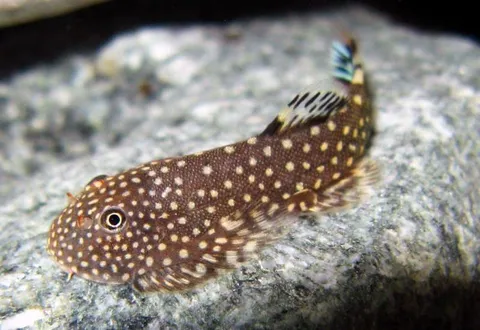
Gastromyzon scitulus
River Loaches (Balitoridae)
Gastromyzon scitulus
Gastromyzon scitulus, also known as the Gastromyzon scitulus, belongs to the family Balitoridae, which includes river loaches. This fish is endemic to the island of Borneo, its natural range being limited to tributaries…
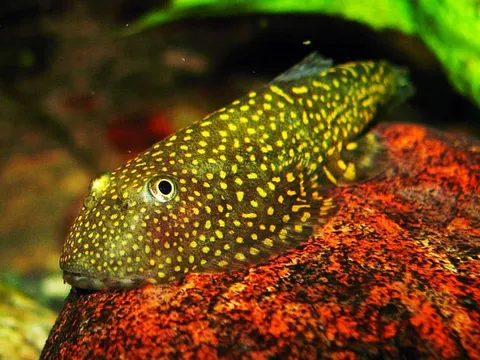
Gastromyzon stellatus
River Loaches (Balitoridae)
Gastromyzon stellatus
Endemic to the island of Borneo, Gastromyzon stellatus is known from the Sarawak, Sadong and Lupar river drainages in the south of the Malaysian state of Sarawak, in the north-west of the island. This species belongs to…
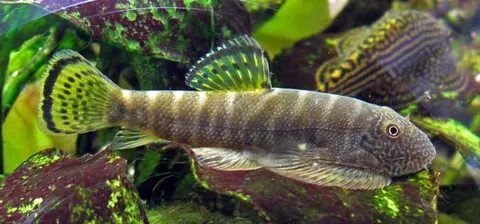
Gastromyzon viriosus
River Loaches (Balitoridae)
Gastromyzon viriosus
Gastromyzon viriosus, scientifically known as Gastromyzon viriosus, belongs to the family Balitoridae. It is worth noting that this species is not frequently found in pet stores, usually appearing for sale alongside…
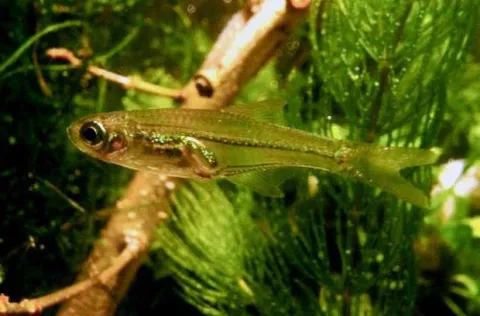
Gates' Danio
Cyprinids (Cyprinidae)
Microdevario gatesi
A member of the Cyprinidae family, Gates' Danio, scientifically named Microdevario gatesi, was named in honor of Gordon E. Gates, the person responsible for its discovery. Prior to 2009, this fish was traditionally…
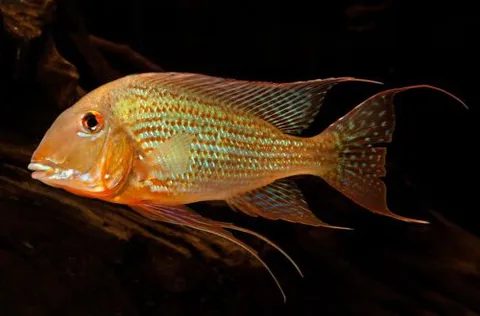
Geophagus altifrons
Cichlids (Cichlidae)
Geophagus altifrons
Belonging to the Cichlidae family, Geophagus altifrons is an aquarium fish with the scientific name Geophagus altifrons. This species is quite large and places significant demands on aquarium volume and keeping…
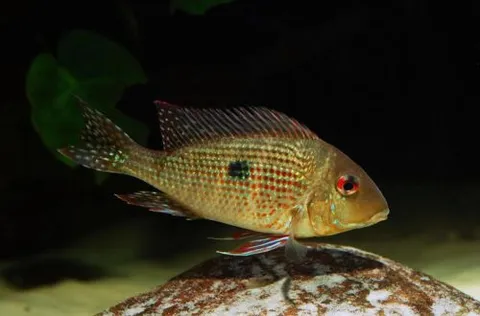
Geophagus Brokopondo
Cichlids (Cichlidae)
Geophagus brokopondo
Geophagus brokopondo is the scientific name for this species, which belongs to the family Cichlidae. Geophagus brokopondo is not commonly encountered in the aquarium hobby; it is often supplied in batches with other…
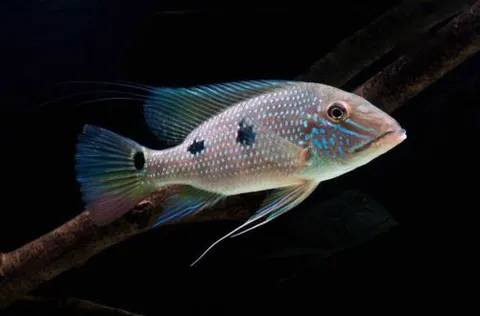
Geophagus daemon
Cichlids (Cichlidae)
Satanoperca daemon
Although this fish bears a fearsome name, Geophagus daemon, or Satanoperca daemon (scientific name Satanoperca daemon), is actually a rather peaceful member of the Cichlidae family. Despite its unusual name, it poses no…
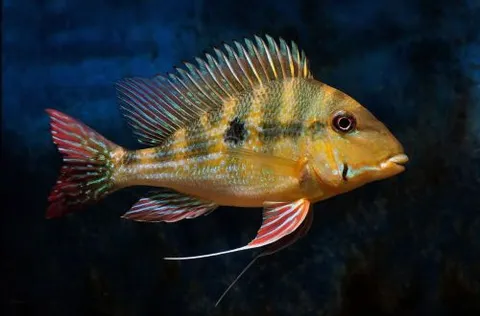
Geophagus dicrozoster
Cichlids (Cichlidae)
Geophagus dicrozoster
Geophagus dicrozoster, a member of the Cichlidae family, is the scientific name for this aquarium fish. In the trade, it can often be found under other names, such as Geophagus Surinam, Geophagus Colombia, or Geophagus…
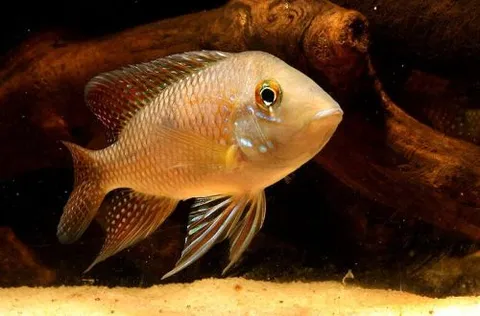
Geophagus Iporanga
Cichlids (Cichlidae)
Geophagus iporangensis
Geophagus iporangensis, known as Geophagus Iporanga, is a member of the Cichlidae family. This fish was named after Iporanga, a municipality in the Brazilian state of São Paulo, where it was first discovered.…
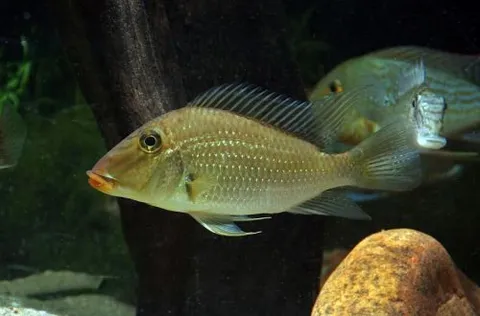
Geophagus Jurupari
Cichlids (Cichlidae)
Satanoperca jurupari
Jurupari, or Geophagus Jurupari, scientifically known as Satanoperca jurupari, belongs to the extensive Cichlidae family. "Demon fish" is the literal, somewhat ominous translation of its Latin name, while the word…
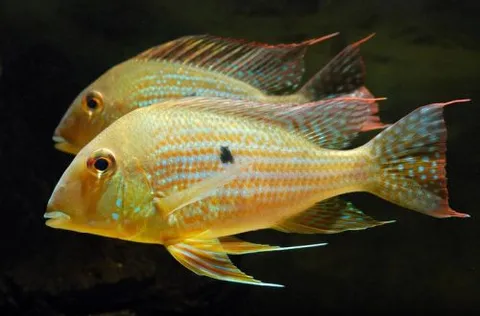
Geophagus neambi
Cichlids (Cichlidae)
Geophagus neambi
Geophagus neambi, widely known as Geophagus neambi or Geophagus Tocantins, is a member of the Cichlidae family. This popular American cichlid is actively offered to buyers, and its keeping, as well as breeding, does not…
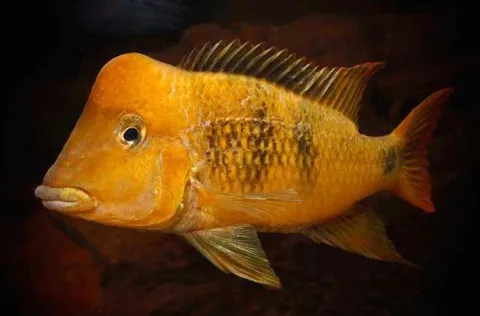
Geophagus pellegrini
Cichlids (Cichlidae)
Geophagus pellegrini
Geophagus pellegrini, also known as the Yellow Hump Geophagus (scientific name Geophagus pellegrini), belongs to the Cichlidae family. This fish was named in honour of the French zoologist Jacques Pellegrin. Although it…
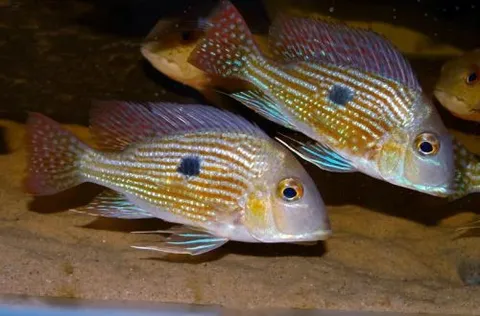
Geophagus pindare
Cichlids (Cichlidae)
Geophagus sp. Pindare
Geophagus sp. Pindare, or Geophagus pindare, belongs to the family Cichlidae. This fish was named after the Pindaré River, where it was first discovered. In general, these fish are considered quite undemanding in terms…
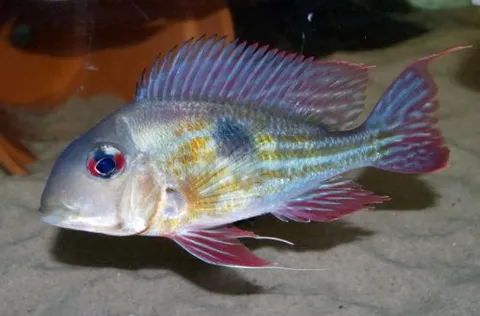
Geophagus proximus
Cichlids (Cichlidae)
Geophagus proximus
Geophagus proximus, known scientifically as Geophagus proximus, belongs to the family Cichlidae, or cichlids. This species is not frequently sold individually; it more often enters home aquariums as part of large…
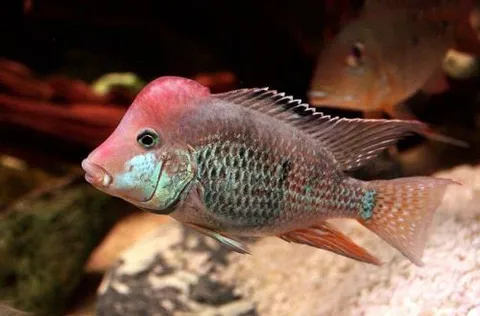
Geophagus steindachneri
Cichlids (Cichlidae)
Geophagus steindachneri
Geophagus steindachneri, scientifically known as Geophagus steindachneri, belongs to the Cichlidae family. It was named after the Austrian zoologist Franz Steindachner. Keeping these fish can be associated with certain…
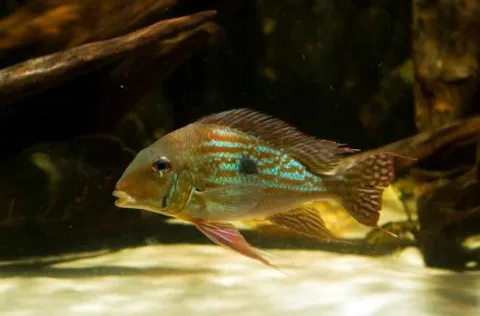
Geophagus winemilleri
Cichlids (Cichlidae)
Geophagus winemilleri
Geophagus winemilleri, scientifically known as Geophagus winemilleri, belongs to the Cichlidae family. The fish was named after zoologist Kirk O. Winemiller, who actively studied tropical fish in Venezuela for two…
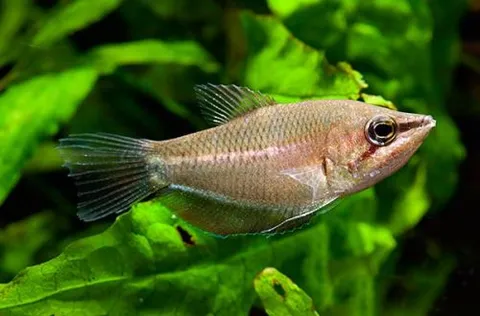
Giant Chocolate Gourami
Osphronemidae
Sphaerichthys acrostoma
The scientific name Sphaerichthys acrostoma is assigned to the giant chocolate gourami, which belongs to the family Osphronemidae. The lack of bright colors in its coloration and the need to maintain extremely low pH…
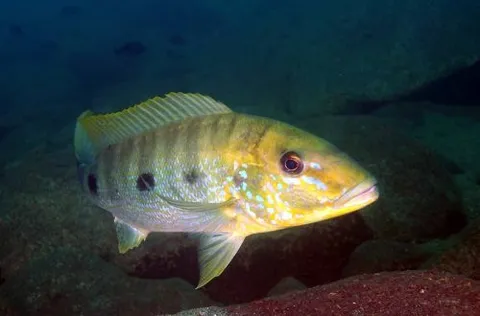
Giant Cichlid
Cichlids (Cichlidae)
Boulengerochromis microlepis
Boulengerochromis microlepis, known as the Giant Cichlid, is a member of the Cichlidae family. This name is well-deserved, as the species can reach over half a meter in length, making it one of the largest cichlids…
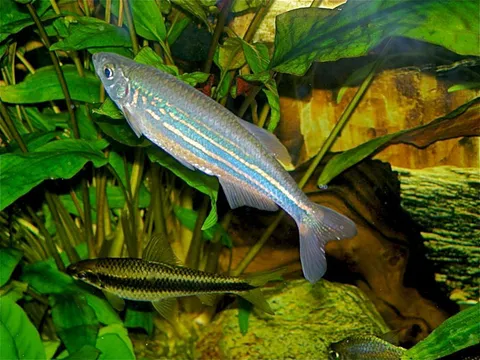
Giant Danio
Cyprinids (Cyprinidae)
Devario aequipinnatus
Devario aequipinnatus, known as the Giant Danio, is a member of the Cyprinidae family. This name accurately reflects its characteristic: this species is indeed larger than its other relatives. Thanks to its exceptional…
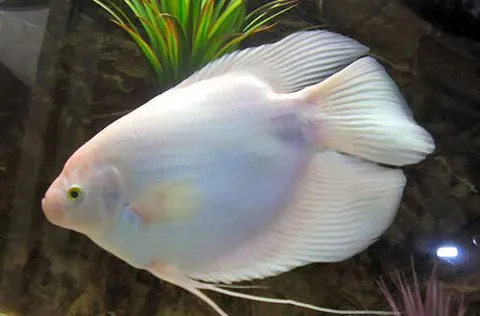
Giant Gourami
Osphronemidae
Osphronemus goramy
The Giant Gourami, also known by its scientific name Osphronemus goramy, belongs to the family Osphronemidae. These fish are the largest representatives of labyrinth fish, reaching up to 70 cm in length, although in a…
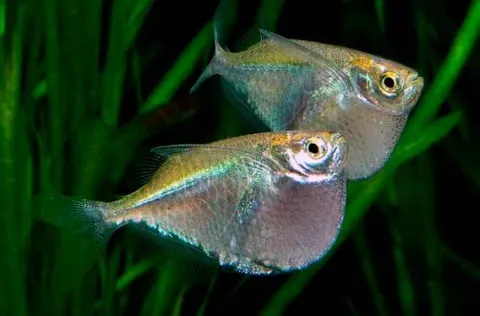
Giant Hatchetfish
Freshwater Hatchetfish (Gasteropelecidae)
Thoracocharax securis
A member of the family Gasteropelecidae, the Platinum Hatchetfish (scientific name Thoracocharax securis) originates from South America. These fish inhabit the vast Amazon River basin, where they are more commonly found…
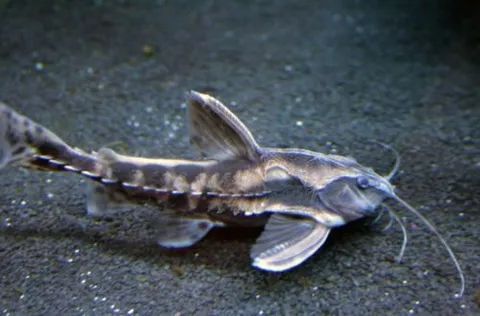
Giant Raphael Catfish
Doradidae (Thorny Catfishes)
Megalodoras uranoscopus
The Giant Raphael Catfish, scientifically known as Megalodoras uranoscopus, belongs to the family Doradidae, or armored catfishes. It is rightfully considered a true "armored knight" of the underwater world due to its…
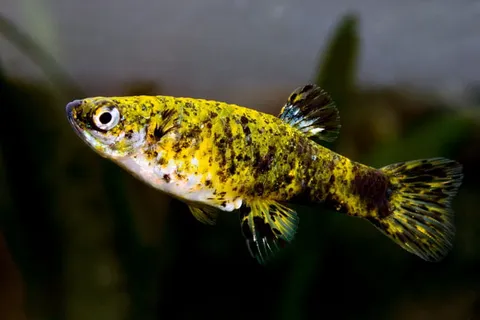
Girardinus
Poeciliidae
Phalloceros caudimaculatus
Girardinus, or Phalloceros caudimaculatus by its scientific name, is a member of the family Poeciliidae. This unpretentious species, easy to keep and breed, does not boast vibrant coloration, but its care will not cause…
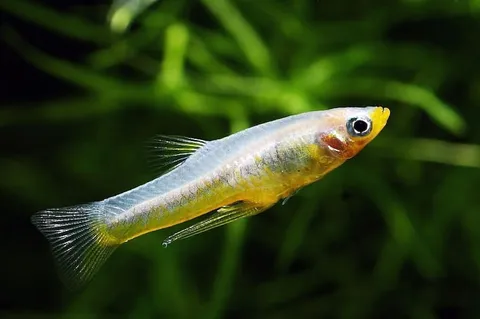
Girardinus Metallicus
Poeciliidae
Girardinus metallicus
Girardinus metallicus, or metallic livebearer, belongs to the family Poeciliidae. This fish was once very popular among aquarists in the early 20th century, largely due to its exceptional hardiness and resilience.…
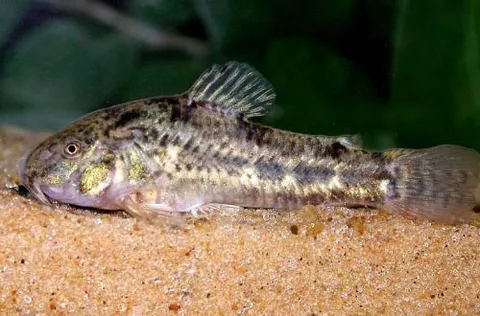
Gladys's Corydoras
Armored Catfish (Callichthyidae)
Corydoras gladysae
Gladys's Corydoras, scientifically known as Corydoras gladysae, is a member of the family Callichthyidae, which includes armored or callichthyid catfishes. The species is named after ichthyologist Gladys Ana María…
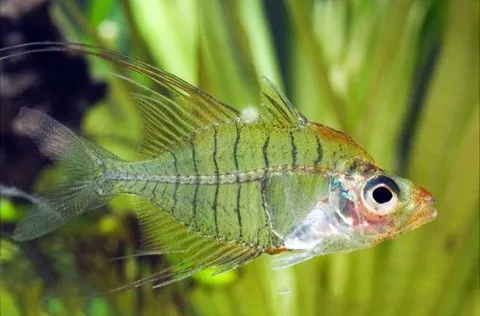
Glass Angel
Asian Glassfish (Ambassidae)
Gymnochanda filamentosa
The fish known as the "Glass Angel" or Filamentous Glass Perch (scientific name Gymnochanda filamentosa) belongs to the family Ambassidae, or Asian Glassfish. Its name accurately conveys the key feature of this fish –…
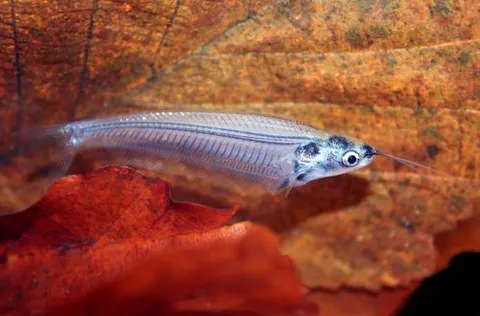
Glass Catfish
Sheatfishes (Siluridae)
Kryptopterus vitreolus
Kryptopterus vitreolus, known as the glass catfish, belongs to the family Siluridae. It stands out among catfishes for its remarkably transparent body, through which the fish's skeleton can be observed. This unusual…
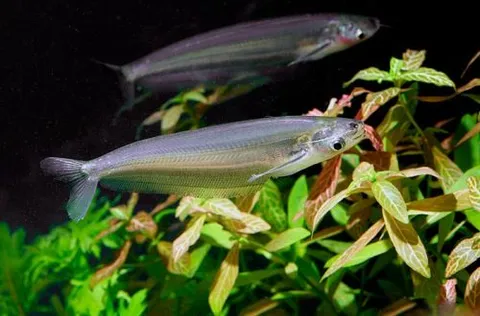
Glass Catfish Twin
Sheatfishes (Siluridae)
Kryptopterus geminus
Kryptopterus geminus, known as the Glass Catfish Twin, is a representative of the family Siluridae (Catfishes). Its name "twin" is due to its close relationship with another, quite popular species – the Ghost Glass…
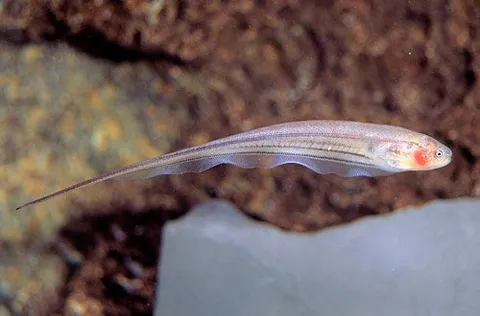
Glass Knifefish
Sternopygidae
Eigenmannia virescens
Eigenmannia virescens, known as the Glass Knifefish or Green Knifefish, belongs to the family Sternopygidae. Its name reflects its unusual body shape, resembling a knife blade or scalpel. With proper aquarium setup,…
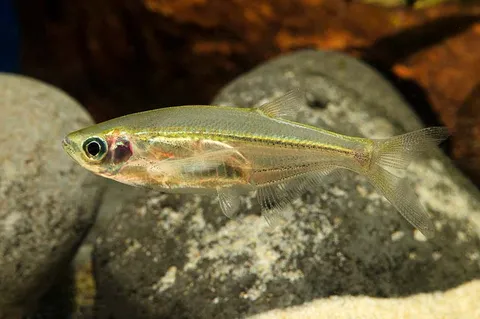
Glass Knifefish Barb
Cyprinids (Cyprinidae)
Parachela oxygastroides
Parachela oxygastroides, also known as the glass knifefish barb, is a member of the carp family (Cyprinidae). Its natural range covers areas of Southeast Asia, including Indochina, Thailand, as well as the islands of…
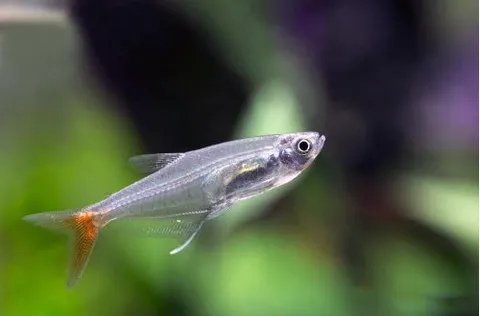
Glass Tetra
Characidae
Prionobrama filigera
The Glass Tetra, scientifically known as Prionobrama filigera, is a member of the Characidae family. Its main feature is its almost completely transparent body, which contrasts with its bright red caudal fin. Another…
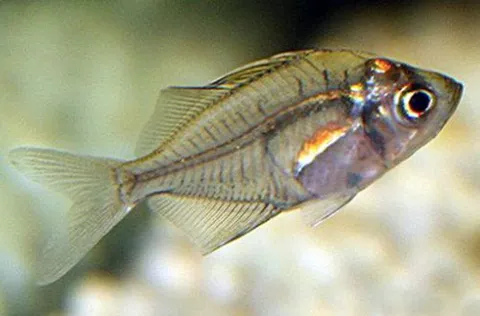
Glassfish
Asian Glassfish (Ambassidae)
Parambassis ranga
The Indian Glassfish, scientifically known as Parambassis ranga, belongs to the family Ambassidae. It is quite well-known among aquarists, though not widely distributed. Its popularity is partly due to the fact that in…
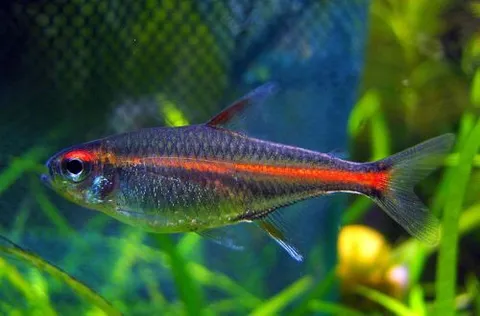
Glowlight Tetra
Acestrorhamphidae
Hemigrammus erythrozonus
The Glowlight Tetra, or Hemigrammus erythrozonus by its scientific name, is a member of the Acestrorhamphidae family. It gets its name from the bright red-orange stripe running from its head to its caudal fin. These…
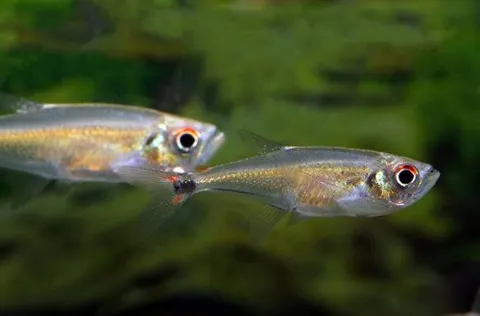
Gnathocharax
Acestrorhynchidae
Gnathocharax steindachneri
Steindachner's Gnathocharax, scientifically known as Gnathocharax steindachneri, belongs to the family Acestrorhynchidae. Previously, this species was a rather rare guest in amateur aquariums. Its appearance in…
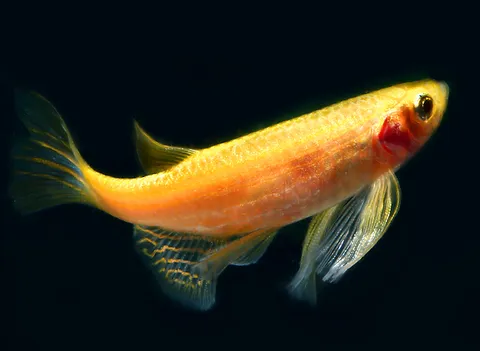
Gold Danio
Cyprinids (Cyprinidae)
Danio rerio
A representative of the Cyprinidae family, known as the Gold Danio, bearing the scientific name Danio rerio, is similar in appearance and behavior to its brethren, with the exception of one important feature – its…
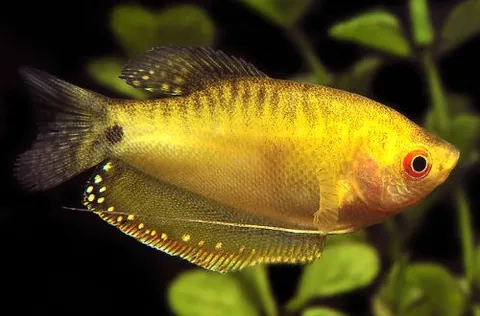
Gold Gourami
Osphronemidae
Trichopodus trichopterus
The Gold Gourami, scientifically known as Trichopodus trichopterus, belongs to the Osphronemidae family. Its vibrant yellow hues are the result of selective breeding; such coloration does not occur in its natural…
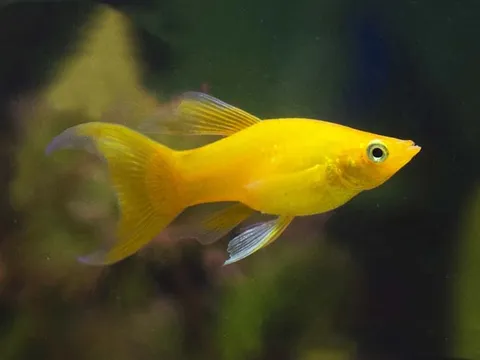
Gold Molly
Poeciliidae
Poecilia sphenops
Many aquarium enthusiasts know this fish by its trade English name Molly Gold, or as the Gold Molly. In CIS countries, it is often also called Yellow Molly. It is important to note that this variation is not found in…
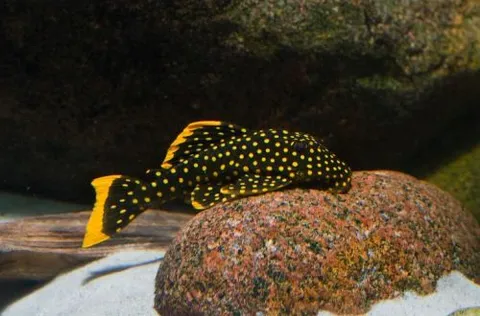
Gold Nugget Pleco
Armored Catfishes (Loricariidae)
Baryancistrus xanthellus
The Gold Nugget Pleco, or Plecostomus "Golden Nugget," scientifically known as Baryancistrus xanthellus, belongs to the Loricariidae family, which includes armored catfish. These catfish are of great interest to…