Temperature20 – 24 °C
Natural range
- Borneo area
- Sarawak area
- Malaysia area
- Indonesia area
LoachesConservation status: Near threatened NT
Gastromyzon ctenocephalus, also known as the Gastromyzon ctenocephalus, belongs to the family Balitoridae, which includes river loaches. This fish is endemic to the island of Borneo, or Kalimantan, and is found exclusively within the Sungai river basin. Its habitat is located on the northwestern tip of the island, within the Malaysian state of Sarawak.
- Required aquarium volume
- 60 L
- Size in aquarium
- 5 cm
- Temperature
- 20 – 24 °C
- Temperament
- Peaceful (regular)
Parameters
Water pHSlightly acidic (6) – Slightly alkaline (8)
Water dHVery soft (2) – Hard (12)
Water salinityno salt (freshwater)
Size in aquarium5 cm
Lifespan5 years
TemperamentPeaceful (regular)
Toward small fishnot a predator
Required aquarium volume60 L
Lightingmoderate or bright
Substraterocky (rock formations, boulders, etc.)
Water flowstrong
FeedingPlant-based (algae, vegetables)
CareSmall group (3–4 individuals)
Description
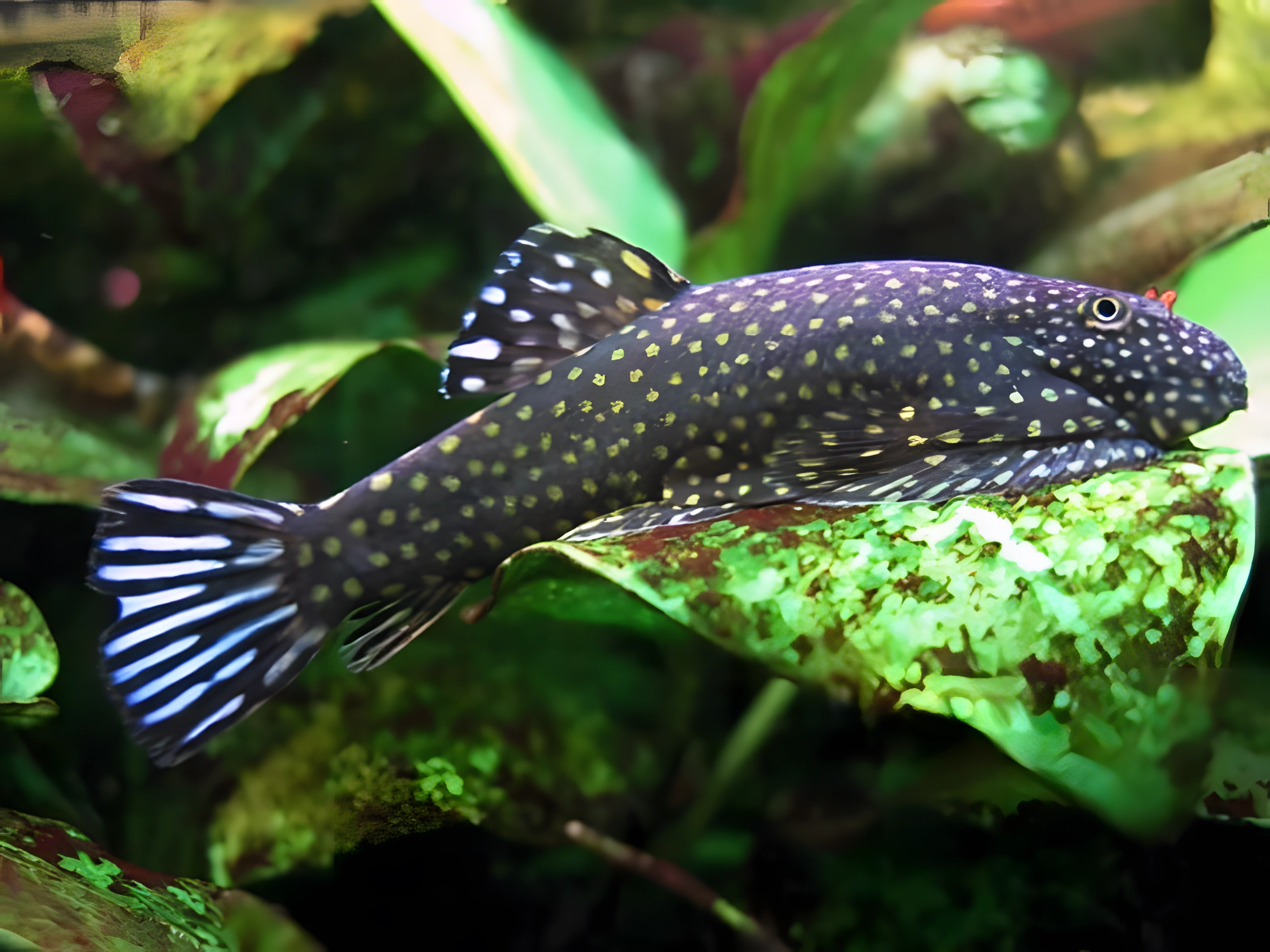
Gastromyzon ctenocephalus has a flattened body, adapted to life on rocky bottoms in fast-flowing conditions. The main coloration is brown, and the body is covered with small creamy-yellow spots. The fins have a striped pattern with a bluish tint. It differs from closely related species by the presence of blue markings on the dorsal fin and continuous horizontal blue stripes on the caudal fin. Adults reach 3.5–5 cm in length. Sexual dimorphism is subtle: females usually appear rounder and more robust than males.
Habitat
The species is endemic to the western part of Borneo (Malaysia and Indonesia). It inhabits shallow mountain streams with fast currents, clean, and oxygen-rich water. In nature, it is found in areas with stony, gravelly, or rocky substrates, where a rich biofilm of algae and microorganisms forms on the surface of the stones.
Behavior and Compatibility
A peaceful but territorial fish. In the aquarium, it leads a benthic lifestyle, preferring to cling to rocks or glass, using its fins as a suction cup. Skirmishes over the best feeding spots are possible between individuals, but these are usually ritualistic and do not result in injuries. It is recommended to keep them in groups of 4–5 individuals to observe natural social behavior.
Care and Maintenance
An aquarium of at least 60 liters with powerful filtration and aeration is required to provide a strong current and high levels of dissolved oxygen. The decor should include smooth stones, pebbles, and boulders, mimicking a mountain stream bed. Lighting should be bright enough to stimulate algal growth on the rocks. Water parameters: temperature 20–24 °C, pH 6.0–8.0, hardness 2–12 °dGH.
Diet
In nature, it feeds primarily on algal growths and microorganisms. In the aquarium, the diet should include specialized foods for herbivorous fish, sinking tablets for bottom dwellers, and blanched vegetables (spinach, zucchini). Frozen foods such as bloodworms or Artemia can also be offered, but the main diet should be plant-based to prevent digestive problems.
Breeding and Reproduction
Breeding in home aquariums is extremely difficult and rare. Spawning is paired or in groups, with eggs laid on stones in areas with strong currents. Fry require an abundant biofilm on the stones for feeding in the first days of life. Specific methods for stimulating reproduction that guarantee success have not yet been developed.
Diseases
These fish are sensitive to water quality and dissolved oxygen levels. The main risks are associated with nitrate accumulation and insufficient aeration, which quickly leads to a depressed state. Under poor keeping conditions, bacterial infections and internal parasites are possible. Prevention involves maintaining water cleanliness and regular water changes.
How to choose
When purchasing, choose active individuals that confidently cling to glass or rocks. Avoid fish with signs of emaciation, sunken bellies, or fin damage. Given that the species is often imported under stress, a preliminary quarantine and the creation of conditions with high oxygen concentration in the aquarium are recommended for adaptation.
Frequently asked questions
The essentials: size, tank volume, water parameters and care
How big does Gastromyzon ctenocephalus get?
An adult reaches 5 cm in length. Plan the tank around the maximum size: the fish quickly outgrows a cramped setup.
What size aquarium does Gastromyzon ctenocephalus need?
The minimum recommended volume is 60 L. A smaller tank speeds up nitrate build-up and raises stress levels.
What water parameters does Gastromyzon ctenocephalus need?
Temperature 20–24 °C, pH 6–8, hardness 2–12 dGH. Stability matters more than exact values: sudden swings are harder on the fish than a small deviation from the ideal.
How long does Gastromyzon ctenocephalus live?
Around 5 years when kept properly. Lifespan depends directly on tank volume, water quality and a varied diet.
Is Gastromyzon ctenocephalus aggressive?
Temperament: peaceful (regular). Keep this in mind when choosing tank mates.
How many Gastromyzon ctenocephalus should be kept together?
Recommended setup: small group (3–4 individuals). Ignoring this is a common cause of stress and disease.
What does Gastromyzon ctenocephalus eat?
Diet type: plant-based (algae, vegetables). Feed small portions that are finished within a couple of minutes — overfeeding does more harm than underfeeding.
What is the scientific name of Gastromyzon ctenocephalus?
The scientific name of the species is Gastromyzon ctenocephalus, family River Loaches (Balitoridae).