Temperature8 – 16 °C
Natural range
- Salta Province area
- Argentina area
CorydorasConservation status: Critically endangered CR
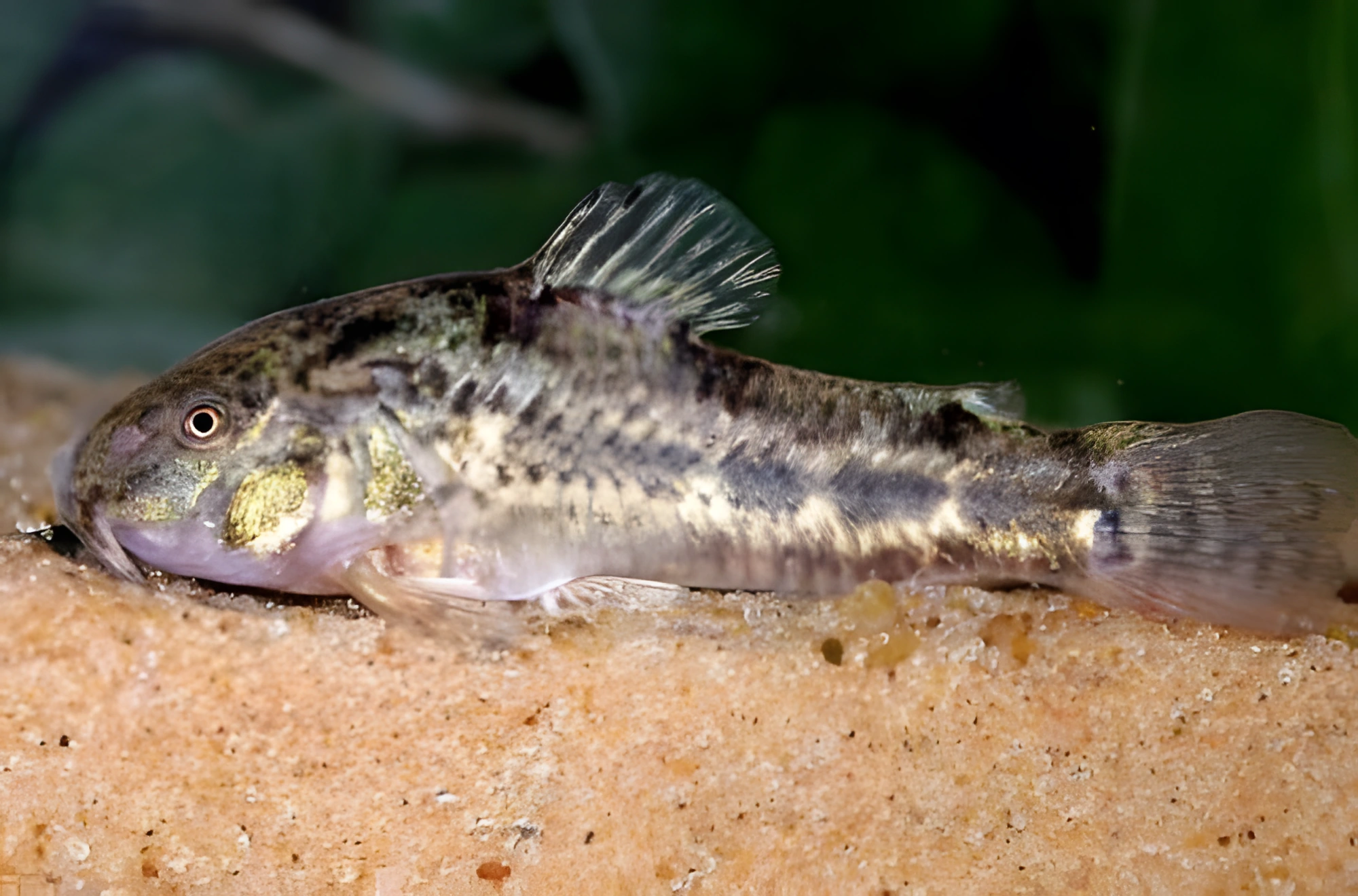
Gladys's Corydoras, scientifically known as Corydoras gladysae, is a member of the family Callichthyidae, which includes armored or callichthyid catfishes. The species is named after ichthyologist Gladys Ana María Monasterio from the National University of Salta (UNSa) in Argentina, who first discovered wild specimens of this species and subsequently provided its scientific description.
- Required aquarium volume
- 40 L
- Size in aquarium
- 3 – 3.8 cm
- Temperature
- 8 – 16 °C
- Temperament
- Peaceful (regular)
Parameters
Water pHNeutral (7.5) – Slightly alkaline (8)
Water dHMedium hardness (11) – Very hard (21)
Water salinityno salt (freshwater)
Size in aquarium3 – 3.8 cm
Lifespan5 years
TemperamentPeaceful (regular)
Toward small fishnot a predator
Required aquarium volume40 L
Lightingweak (low)
Substraterocky (rock formations, boulders, etc.)
Water flowmoderate
FeedingSinking (any)
CareSmall group (5–6 individuals)
Description
Unlike its relatives that inhabit slow-moving waters of tropical rivers and swamps, this Corydoras species exhibits some differences. It has adapted to the harsher conditions of mountainous terrain, which is reflected in its appearance. Its body appears more elongated and less dense. The caudal and dorsal fins are shorter, while the pectoral fins, conversely, are enlarged and positioned horizontally, closer to the belly. This structure helps the catfish stay on the substrate despite the current. The coloration includes shades of gray pigment, allowing the fish to effectively camouflage itself against fine gravel.
Habitat
The species is endemic to Argentina, inhabiting exclusively the Calchaquí River basin in the country's northwest. In nature, the fish populate sections of rivers with fast currents, where they prefer to stay among rock formations. A characteristic habitat is cool water with an alkaline reaction, where the pH often reaches 8.0.
Behavior and Compatibility
A peaceful schooling fish that shows the most activity in a group. For comfortable well-being, it is recommended to keep at least 10 individuals. It leads a bottom-dwelling lifestyle, actively exploring the substrate in search of food. It is well compatible with other non-aggressive fish species that prefer similar keeping conditions.
Care and Maintenance
Keeping Gladys's Corydoras requires approaches that differ significantly from keeping tropical relatives. It needs cool water, with a temperature not exceeding 16°C, high dissolved oxygen content, and significant carbonate hardness. In aquarium design, rocky elements are preferred: fine gravel, boulders, and rock fragments. Creating an internal current will be beneficial. Regular aquarium maintenance includes standard procedures. High water quality is ensured by weekly 30–40% water changes with fresh water and timely removal of organic deposits. Equipment requires periodic preventive maintenance, depending on its configuration. In terms of diet, Gladys's Corydoras will readily accept most aquarium fish foods of appropriate size, including dry, freeze-dried, gel, live, and frozen products. Regarding behavior and compatibility, it is a peaceful and sociable fish that prefers to stay in a group of its own kind. Due to specific habitat requirements, the choice of compatible species is limited. Preference should be given to fish capable of tolerating low temperatures and moderate currents. Possible tank mates include classic goldfish or some species of loaches.
Diet
An omnivorous fish, it feeds on small benthic invertebrates and organic detritus in nature. In aquarium conditions, it quickly adapts to various foods. For a complete diet, it is recommended to use specialized sinking tablets for catfishes, and to supplement the diet with frozen or live foods of appropriate size.
Breeding and Reproduction
Reproduction is typical for members of the genus. The process involves spawning, during which the female lays 30 to 80 eggs. To stimulate spawning, a partial water change with cooler, fresh water is often used. After spawning, the parents should be removed to prevent them from eating the eggs.
Diseases
No specific diseases exclusively characteristic of this species have been identified. Like other Corydoras species, this catfish is sensitive to water quality and substrate condition. The main risks are associated with violations of keeping conditions:
- Bacterial infections and barbel erosion, occurring when kept in aquariums with sharp, coarse, or dirty substrate that injures the delicate tissues of the fish.
- Parasitic diseases, developing due to non-compliance with sanitary standards and the accumulation of organic waste in the substrate.
Prevention includes using soft, rounded substrate (sand), regular siphoning of the bottom to remove food residues, and maintaining stable water parameters. It is important to avoid sudden temperature fluctuations, as the species is adapted to cool living conditions.
How to choose
When purchasing, choose active fish with clean fins and no visible body damage. It is important to pay attention to the condition of the eyes and skin, which should be free of spots and film. Avoid individuals that appear emaciated or show signs of apathy, as the species is sensitive to abrupt changes in water parameters during transportation.
Frequently asked questions
The essentials: size, tank volume, water parameters and care
How big does Gladys's Corydoras get?
An adult reaches 3–3.8 cm in length. Plan the tank around the maximum size: the fish quickly outgrows a cramped setup.
What size aquarium does Gladys's Corydoras need?
The minimum recommended volume is 40 L. A smaller tank speeds up nitrate build-up and raises stress levels.
What water parameters does Gladys's Corydoras need?
Temperature 8–16 °C, pH 7.5–8, hardness 11–21 dGH. Stability matters more than exact values: sudden swings are harder on the fish than a small deviation from the ideal.
How long does Gladys's Corydoras live?
Around 5 years when kept properly. Lifespan depends directly on tank volume, water quality and a varied diet.
Is Gladys's Corydoras aggressive?
Temperament: peaceful (regular). Keep this in mind when choosing tank mates.
How many Gladys's Corydoras should be kept together?
Recommended setup: small group (5–6 individuals). Ignoring this is a common cause of stress and disease.
What does Gladys's Corydoras eat?
Diet type: sinking (any). Feed small portions that are finished within a couple of minutes — overfeeding does more harm than underfeeding.
What is the scientific name of Gladys's Corydoras?
The scientific name of the species is Corydoras gladysae, family Armored or Callichthyid Catfish (Callichthyidae).