Temperature28 – 38 °C
Natural range
- Lake Natron area
- Lake Shompole area
- Tanzania area
- Kenya area
Cichlids
Other scientific names: Oreochromis alcalicus, Sarotherodon alcalica, Sarotherodon alcalicum, Tilapia alcalica
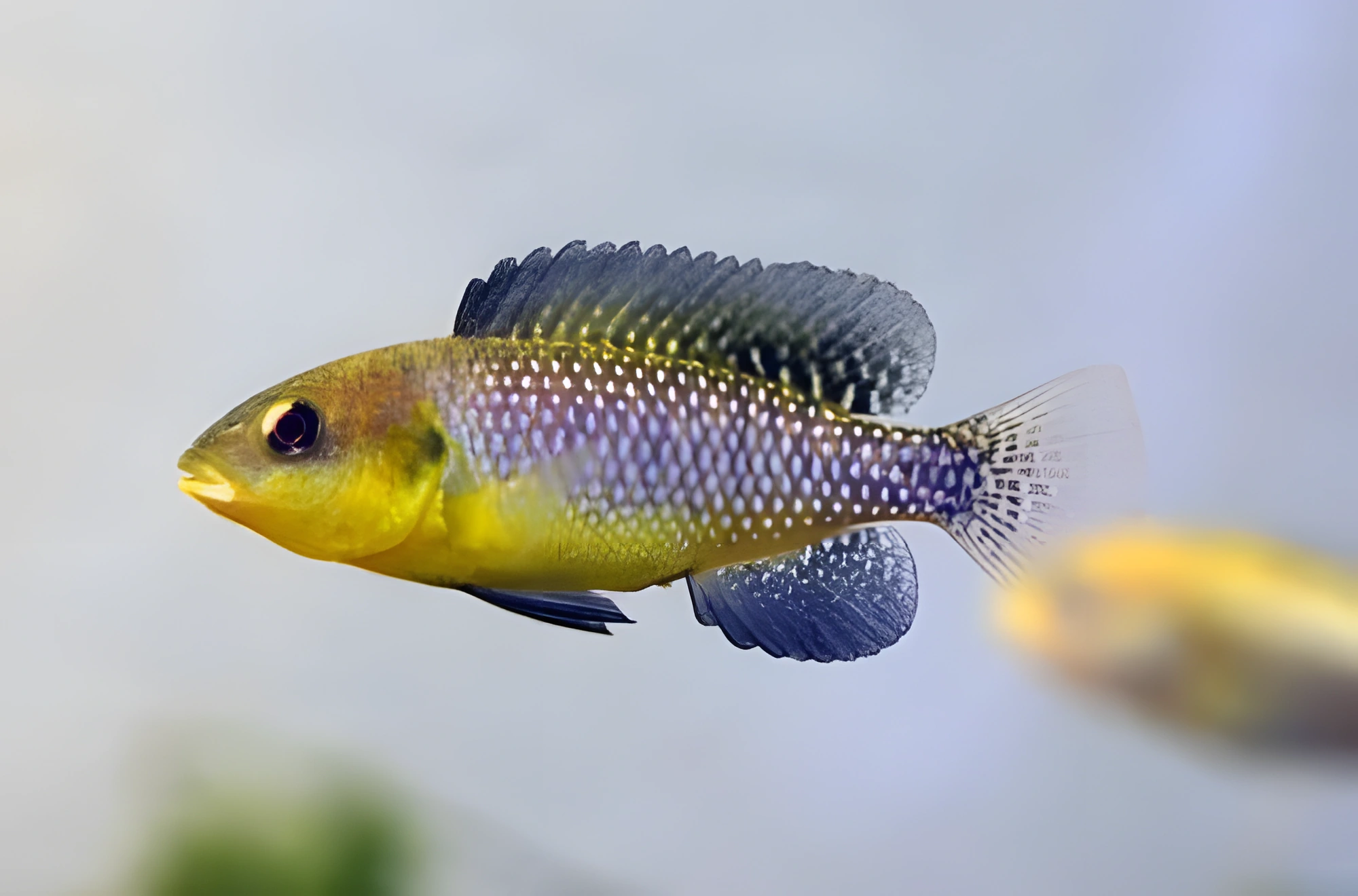
Alcolapia alcalica, also known as the Alkaline Cichlid, belongs to the Cichlidae family. A remarkable feature of this fish is its ability to survive in conditions that are lethal for most other aquatic creatures: extremely high water temperatures combined with a highly alkaline and mineralized composition. For this reason, the Alkaline Cichlid is rarely found in home aquariums, as its keeping requires specific conditions.
- Required aquarium volume
- 100 L
- Size in aquarium
- 11 cm
- Temperature
- 28 – 38 °C
- Temperament
- Semi-peaceful (including aggression during spawning / intraspecific conflicts)
Parameters
Water pHSlightly alkaline (8) – Very alkaline (10)
Water dHMedium hardness (10) – Very hard (35)
Water salinityvery low (up to ~3 g/L)
Size in aquarium11 cm
Lifespan6 years
TemperamentSemi-peaceful (including aggression during spawning / intraspecific conflicts)
Toward small fishnot a predator
Required aquarium volume100 L
Lightingmoderate (regular)
Substratesandy (regular, light)
Water flowweak
FeedingHigh protein (predominantly meat)
CareHarem (1 male and several females)
Description
Adults reach approximately 11 cm in length. Their coloration has yellowish hues. Males are easily distinguished by their dark fins and bluish iridescent scales on their bodies. Females appear more modest, with gray as their dominant color.
Habitat
The origin of this fish is linked to the African continent, specifically the border area between Tanzania and Kenya, in the regions of Lake Natron and Lake Shompole. Its natural habitats include rivers and streams connected to these lakes, as well as some lagoons and marshy areas. The environment here is characterized by high mineralization and alkalinity of the water, due to the presence of numerous hot springs. These fish can often be found in brackish waters at temperatures around 50°C. The lakes themselves are unique natural objects, possessing extremely high salinity, significantly exceeding that of the sea. During periods of drought, a thick crust of salt forms on their shores, and the water acquires a red tint due to the rapid development of Artemia brine shrimp colonies.
Behavior and Compatibility
Males exhibit pronounced territoriality, jealously defending their bottom territory from other males. In a spacious aquarium, given their small size, peaceful coexistence of several male individuals is quite possible. Females, in turn, show a more peaceful disposition and get along well with each other. Due to the special requirements for water composition, selecting compatible species for cohabitation is extremely difficult. Similar living conditions would be lethal for most other fish.
Care and Maintenance
For a small group of 3–4 fish, an aquarium of at least 100 liters will be required. For decor, sandy substrate with several large stones or boulders is preferred. Live plants are not essential, as they are not typical for the natural habitat of the Alkaline Cichlid. The main difficulty in keeping this species is recreating the mineral composition of the water characteristic of Lake Natron. Although the fish can adapt to softer conditions over time, they still require elevated water alkalinity (pH no less than 8.0) and high carbonate hardness. When purchasing, it is crucial to clarify the conditions in which the fish were kept, to reproduce them as closely as possible in the home aquarium.
Diet
In natural conditions, the diet of these fish consists mainly of algae and zooplankton. When kept in an aquarium, foods enriched with plant components, such as dry flakes or granules of appropriate size, should be offered. The fish will also readily accept live or frozen treats, such as brine shrimp.
Breeding and Reproduction
Under favorable conditions, breeding becomes quite feasible if several representatives of both sexes are kept in the aquarium. With the onset of the breeding season, males dig small depressions in the substrate, actively inviting females. When a female accepts courtship, she lays eggs in the pit, awaiting fertilization. After this, the female takes the eggs into her mouth and goes in search of a new partner. As a result, eggs from one clutch can have different fathers. The eggs develop in the female's mouth for approximately two weeks until the fry emerge. This mechanism of offspring protection, evolutionarily developed in response to the aggressive external environment, is not unique and is characteristic of many species in the Cichlidae family.
Diseases
The main cause of diseases often lies in the keeping conditions: if they go beyond acceptable limits, immunity decreases, making the fish vulnerable to various infections inevitably present in the environment. At the first suspicion of illness, it is important first of all to check the water parameters and ensure there are no dangerous concentrations of nitrogen cycle products. Often, restoring normal, suitable conditions promotes recovery. However, in some cases, medication may be required. Detailed information on symptoms and treatment methods is presented in the "Aquarium Fish Diseases" section.
How to choose
Acquiring this species requires a conscious approach, as these fish are highly specialized extremophiles. When purchasing, attention should be paid to the activity of the individuals and the absence of visible damage to scales or fins. It is important to clarify the keeping conditions with the seller, as a sudden transfer from standard aquarium parameters to water with extremely high pH and salinity can be detrimental.
- Avoid purchasing fish with signs of emaciation or sunken bellies.
- Check for clear eyes and the absence of film on the body.
- Ensure there are no signs of stress, such as apathetic hovering near the surface, unless caused by transport specifics.
- Prefer individuals that show natural territoriality and interest in food.
Frequently asked questions
The essentials: size, tank volume, water parameters and care
How big does Alkaline Cichlid get?
An adult reaches 11 cm in length. Plan the tank around the maximum size: the fish quickly outgrows a cramped setup.
What size aquarium does Alkaline Cichlid need?
The minimum recommended volume is 100 L. A smaller tank speeds up nitrate build-up and raises stress levels.
What water parameters does Alkaline Cichlid need?
Temperature 28–38 °C, pH 8–10, hardness 10–35 dGH. Stability matters more than exact values: sudden swings are harder on the fish than a small deviation from the ideal.
How long does Alkaline Cichlid live?
Around 6 years when kept properly. Lifespan depends directly on tank volume, water quality and a varied diet.
Is Alkaline Cichlid aggressive?
Temperament: semi-peaceful (including aggression during spawning / intraspecific conflicts). Keep this in mind when choosing tank mates.
How many Alkaline Cichlid should be kept together?
Recommended setup: harem (1 male and several females). Ignoring this is a common cause of stress and disease.
What does Alkaline Cichlid eat?
Diet type: high protein (predominantly meat). Feed small portions that are finished within a couple of minutes — overfeeding does more harm than underfeeding.
What is the scientific name of Alkaline Cichlid?
The scientific name of the species is Alcolapia alcalica, family Cichlids (Cichlidae). It also appears in the literature as: Oreochromis alcalicus, Sarotherodon alcalica, Sarotherodon alcalicum.