Temperature18 – 22 °C
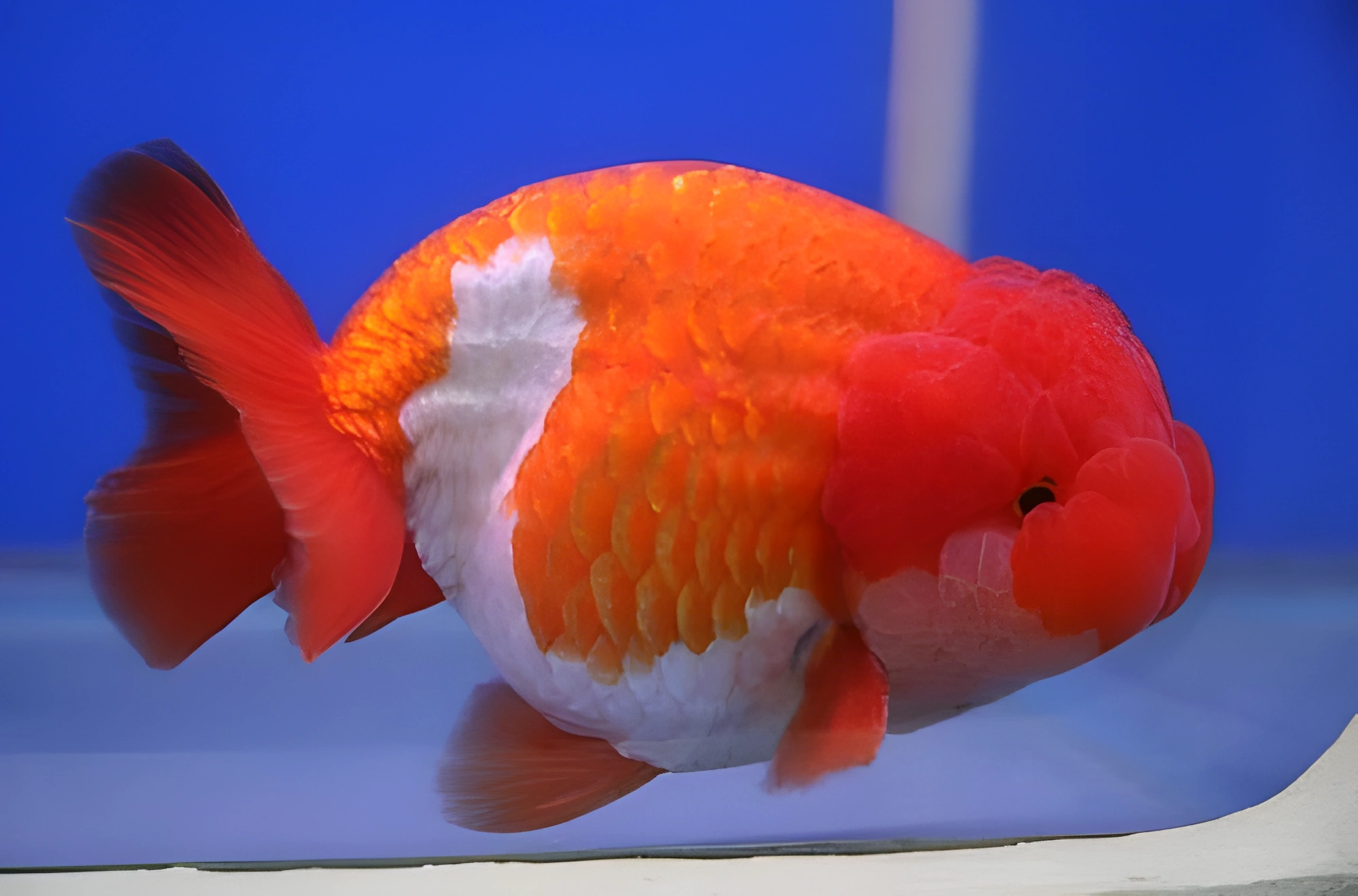
GoldfishConservation status: Least concern LC
Other scientific names: Carasius auratus, Carassius buergeri, Carassius burgeri, Carassius carassius, Carassius chinensis, Carassius coeruleus
The Ranchu, also known as the Buffalo (or Ranchu Goldfish in English), holds a special place among valuable and popular aquarium inhabitants in Asia. In countries like China and Japan, there is an entire industry dedicated to breeding this remarkable variety of Goldfish. Interestingly, curious cultural traditions are associated with the Ranchu: in China, it is customary to evaluate them by observing from the side, so they are usually kept in tall aquariums there. In turn, in Japan, the Land of the Rising Sun, tradition dictates admiring the fish from above, which leads to their placement in shallow bowls.
- Required aquarium volume
- 40 L
- Size in aquarium
- 13 cm
- Temperature
- 18 – 22 °C
- Temperament
- Peaceful, active/mobile
Parameters
Water pHSlightly acidic (6) – Slightly alkaline (8)
Water dHSoft (5) – Very hard (19)
Water salinityno salt (freshwater)
Size in aquarium13 cm
Lifespan15 years
TemperamentPeaceful, active/mobile
Toward small fishnot a predator
Required aquarium volume40 L
Lightingmoderate (regular)
Substrateany (no restrictions)
Water flownone or stagnant (no flow)
FeedingAny (universal)
CareMixed (solitary / pair / group)
Description
The Ranchu is a selective form of goldfish with a short, ovoid body and no dorsal fin. A distinctive feature is a strongly curved backline that transitions into the caudal peduncle at a pronounced angle. The head is often covered with well-developed fleshy growths resembling raspberries. The fins are short, and the caudal fin is forked. Adult specimens reach 13–18 cm. The coloration is diverse: red, white, calico, and multicolored variations are found.
Habitat
The species is an artificially bred variety and does not occur in the natural environment. All modern goldfish originate from the silver crucian carp, which inhabits slow-flowing bodies of water in Central Asia. Ranchu are not adapted to life in the wild and require exclusively aquarium conditions.
Behavior and Compatibility
Ranchu have a calm and peaceful temperament. Due to their body structure, they are slow swimmers, so it is not recommended to keep them with fast or aggressive fish species that can nip fins or steal food. They are compatible with other slow-moving goldfish breeds.
Care and Maintenance
For a single specimen, an aquarium of 40–80 liters with good filtration is necessary, as these fish produce a lot of organic waste. Rectangular tanks with a large surface area are recommended for efficient gas exchange. It is important to avoid sharp decorations that could damage the head growths and fins. Water parameters: temperature 18–22°C, pH 6.0–8.0, hardness 5–19 dGH.
Diet
Ranchu are omnivorous but prone to digestive system problems. Their diet should include both animal and plant components. Special sinking foods are recommended to minimize air swallowing during feeding, which reduces the risk of swim bladder disease. It is beneficial to supplement their diet with plant matter, such as blanched spinach or peas.
Breeding and Reproduction
Breeding requires experience and adherence to conditions that stimulate spawning. Spawning occurs in pairs or groups, with eggs laid on fine-leaved plants. After spawning, the parents are removed as they may eat the eggs. Fry require frequent feeding and maintaining high water quality for proper body development.
Diseases
The species is susceptible to gastrointestinal diseases, including bloat and swim bladder dysfunction, often caused by improper feeding. Bacterial infections of the head growths are also possible with poor water quality. Prevention involves maintaining stable environmental parameters and regular water changes.
How to choose
When choosing a fish, pay attention to its activity, the absence of visible damage, ulcers, or plaque on the body and growths. A healthy specimen should swim evenly, without tipping to one side or floating to the surface. It is recommended to avoid specimens showing signs of emaciation or an unnaturally bloated abdomen.
Frequently asked questions
The essentials: size, tank volume, water parameters and care
How big does Ranchu get?
An adult reaches 13 cm in length. Plan the tank around the maximum size: the fish quickly outgrows a cramped setup.
What size aquarium does Ranchu need?
The minimum recommended volume is 40 L. A smaller tank speeds up nitrate build-up and raises stress levels.
What water parameters does Ranchu need?
Temperature 18–22 °C, pH 6–8, hardness 5–19 dGH. Stability matters more than exact values: sudden swings are harder on the fish than a small deviation from the ideal.
How long does Ranchu live?
Around 15 years when kept properly. Lifespan depends directly on tank volume, water quality and a varied diet.
Is Ranchu aggressive?
Temperament: peaceful, active/mobile. Keep this in mind when choosing tank mates.
How many Ranchu should be kept together?
Recommended setup: mixed (solitary / pair / group). Ignoring this is a common cause of stress and disease.
What does Ranchu eat?
Diet type: any (universal). Feed small portions that are finished within a couple of minutes — overfeeding does more harm than underfeeding.
What is the scientific name of Ranchu?
The scientific name of the species is Carassius auratus, family Cyprinids (Cyprinidae). It also appears in the literature as: Carasius auratus, Carassius buergeri, Carassius burgeri.