Temperature24 – 28 °C
Natural range
- Lake Malawi area
- Malawi area
- Mozambique area
- Tanzania area
Cichlids
Pseudotropheus sp. "acei", known as Pseudotropheus Acei, is a representative of the Cichlidae family. This is a beautiful cichlid with a relatively peaceful temperament. It is well-suited for beginner aquarists, as it is easy to keep and breed and does not require special conditions.
- Required aquarium volume
- 100 L
- Size in aquarium
- 10 – 12 cm
- Temperature
- 24 – 28 °C
- Temperament
- Semi-peaceful (including aggression during spawning / intraspecific conflicts)
Parameters
Water pHSlightly alkaline (7.6) – Alkaline (8.8)
Water dHMedium hardness (10) – Very hard (25)
Water salinityno salt (freshwater)
Size in aquarium10 – 12 cm
Lifespan8 years
TemperamentSemi-peaceful (including aggression during spawning / intraspecific conflicts)
Toward small fishnot a predator
Required aquarium volume100 L
Lightingmoderate (regular)
Substratesandy (regular, light)
Water flowweak or moderate
FeedingPlant-based with meat additives
CareHarem (1 male and several females)
Description
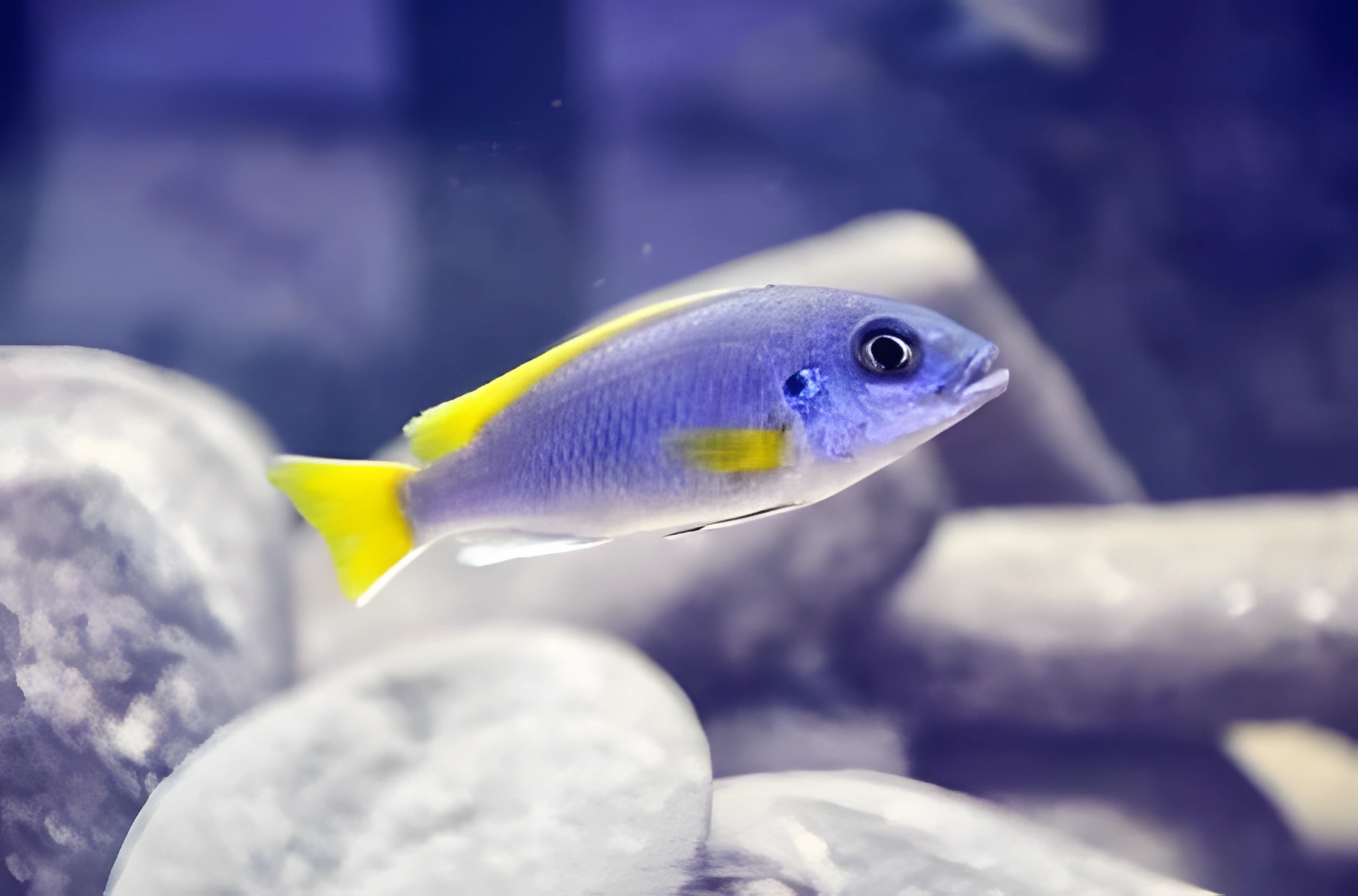
Adults of this fish reach a length of approximately 10–12 cm. Their coloration varies from blue to turquoise, and their fins have a yellowish tint. Sexual dimorphism is weakly expressed, making external sex determination difficult. However, by carefully observing the fish's behavior, their sex can be accurately determined, as described below.
Habitat
This species is endemic to the East African Rift Valley lake Malawi, also known as Nyasa. This African lake is located in the east of the continent, covering territories of Malawi, Mozambique, and Tanzania. The fish prefers the western coast of the lake, inhabiting sandy and rocky substrates. Below is key information about it.
Behavior and Compatibility
This species belongs to the Mbuna cichlid group, many of which are known for their aggressive behavior. However, contrary to the general trend, it has a milder character, allowing it to coexist peacefully with other calm aquarium inhabitants. Within the species, relationships are controlled by competition between males: each male selects and actively defends its territory from rivals, which can lead to minor skirmishes. Females, on the other hand, move freely throughout the aquarium and often gather in groups. Based on this, for keeping one male Pseudotropheus Acei in a small aquarium, it is recommended to have at least 3 females.
Care and Maintenance
For a pair of these fish, an aquarium of at least 100 liters is recommended. The decor should include a sandy substrate combined with piles of boulders and rocks, forming crevices and shelters. In addition to natural elements, various artificial shelters can be used: hollow tubes, ceramic pots, or decorative objects imitating castles and sunken ships. The presence of natural driftwood will also be beneficial. Live plants are not essential, as the fish may damage them. Successful keeping of these cichlids directly depends on maintaining stable water parameters. It is necessary to regularly monitor key indicators (pH, dGH, nitrite, nitrate levels, etc.) and promptly correct them if they deviate from the norm. Aquarium care for Pseudotropheus Acei includes cleaning algae from the glass, removing organic waste from the substrate, and weekly water changes of 20–25% of the volume with fresh water.
Diet
This is an omnivorous species that readily accepts most common foods in a home aquarium, whether dry, frozen, or sinking. It is important to note that the majority of the diet (more than half) should consist of plant-based components. One should not limit feeding exclusively to protein-rich foods such as bloodworms or brine shrimp.
Breeding and Reproduction
It is quite possible to breed these fish in a home aquarium. Their method of reproduction is unique to cichlids of Lakes Malawi and Tanganyika. During the spawning period, the male selects a flat stone in his territory, thoroughly cleans it, and then attracts females to this improvised nest. At this time, males become more aggressive towards rivals and other aquarium inhabitants, so for breeding, it is desirable to set aside a separate tank with identical water conditions. When the female is ready to spawn, she responds to the male's courtship, releasing small portions of eggs in turn. After fertilization, the female immediately takes the eggs into her mouth, where they remain throughout the incubation period, which lasts 3–4 weeks.
Diseases
The main cause of most diseases in Malawian cichlids is unsuitable living conditions and poor-quality food, which often leads to a condition known as Malawi Bloat. Upon detecting the first symptoms, it is important to check water parameters and ensure there are no high concentrations of dangerous substances such as ammonia, nitrites, and nitrates. All parameters must be normalized before proceeding with treatment. More detailed information on symptoms and treatment methods is available in the "Aquarium Fish Diseases" section.
How to choose
When selecting individuals, pay attention to their activity and the absence of visible damage, such as ulcers, whitish spots, or fin rot. A healthy fish should show interest in its surroundings, react quickly to external stimuli, and have clear, bright eyes. Avoid specimens with severely sunken bellies or unnaturally bloated abdomens, unless it is related to the reproductive cycle of females. In the store, fish should exhibit typical species behavior, actively moving in the water column or near decorations, rather than constantly hiding in the corners of the aquarium. It is recommended to purchase individuals from a single source to minimize the risk of introducing infections, and to choose fish from groups where there are no dead or obviously sick individuals in shared tanks.
Frequently asked questions
The essentials: size, tank volume, water parameters and care
How big does Pseudotropheus Acei get?
An adult reaches 10–12 cm in length. Plan the tank around the maximum size: the fish quickly outgrows a cramped setup.
What size aquarium does Pseudotropheus Acei need?
The minimum recommended volume is 100 L. A smaller tank speeds up nitrate build-up and raises stress levels.
What water parameters does Pseudotropheus Acei need?
Temperature 24–28 °C, pH 7.6–8.8, hardness 10–25 dGH. Stability matters more than exact values: sudden swings are harder on the fish than a small deviation from the ideal.
How long does Pseudotropheus Acei live?
Around 8 years when kept properly. Lifespan depends directly on tank volume, water quality and a varied diet.
Is Pseudotropheus Acei aggressive?
Temperament: semi-peaceful (including aggression during spawning / intraspecific conflicts). Keep this in mind when choosing tank mates.
How many Pseudotropheus Acei should be kept together?
Recommended setup: harem (1 male and several females). Ignoring this is a common cause of stress and disease.
What does Pseudotropheus Acei eat?
Diet type: plant-based with meat additives. Feed small portions that are finished within a couple of minutes — overfeeding does more harm than underfeeding.
What is the scientific name of Pseudotropheus Acei?
The scientific name of the species is Pseudotropheus sp. "acei", family Cichlids (Cichlidae).