Temperature18 – 24 °C
Natural range
- Sulawesi area
- South Sulawesi area
KillifishConservation status: Near threatened NT
Belonging to the family Adrianichthyidae, Oryzias eversi is a modest-sized but very active fish. Its ease of keeping and breeding, as well as its ability to coexist peacefully with many other species, make it an excellent choice for those just starting their journey in aquaristics.
- Required aquarium volume
- 60 L
- Size in aquarium
- 4 cm
- Temperature
- 18 – 24 °C
- Temperament
- Semi-peaceful (including aggression during spawning / intraspecific conflicts)
Parameters
Water pHSlightly acidic (6) – Neutral (7.5)
Water dHSoft (5) – Hard (15)
Water salinityno salt (freshwater)
Size in aquarium4 cm
Lifespan2 years
TemperamentSemi-peaceful (including aggression during spawning / intraspecific conflicts)
Toward small fishnot a predator
Required aquarium volume60 L
Lightingdimmed
Substratesoft sandy (including silted)
Water flowmoderate
FeedingAny (universal)
CareSchooling (usually from 5–6 individuals and more)
Description
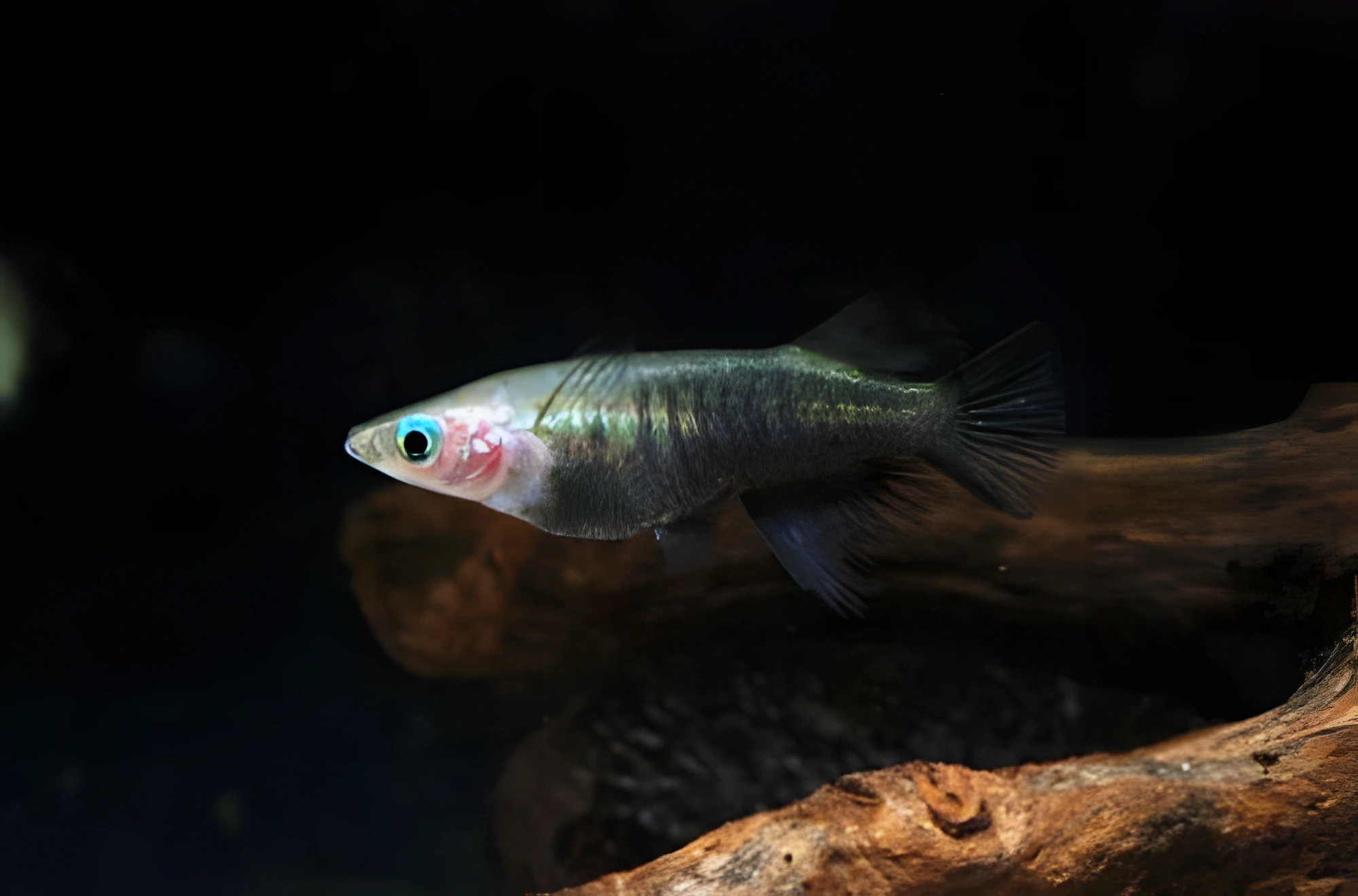
Adult Oryzias eversi reach a length of approximately 4 cm. The appearance of these fish is similar to other members of the genus "Oryzias". Males exhibit more intense body coloration, and their dorsal and anal fins appear larger and have elongated rays. Females, in contrast, have a silvery hue, and their fins are much more modest in size. Otherwise, they retain the characteristic features of all Oryzias.
Habitat
Its natural habitat is located in Southeast Asia, where this species is endemic to the Indonesian island of Sulawesi, found exclusively in its southern regions. Here, Oryzias eversi inhabits small rivers and streams flowing through tropical forests. The water in these bodies of water is clean and clear, and its temperature remains stable and relatively low throughout the year. The flora is predominantly algae, attaching to rocky surfaces.
Behavior and Compatibility
This is a peaceful schooling fish. It is recommended to keep Oryzias eversi in a group with its conspecifics, while avoiding cohabitation with other related Oryzias to prevent the appearance of hybrid offspring. They get along well with other calm fish species of comparable size.
Care and Maintenance
Thanks to their modest size, a school of Oryzias eversi feels comfortable in an aquarium of 60 liters or more. The tank's decor is not critically important, and the aquarist can choose decorative elements at their discretion. Nevertheless, the fish will look most harmonious in an environment that mimics its natural habitat. The use of a sandy substrate with interspersed stones, several snags, and live plants is recommended. To add more naturalness, fallen dry leaves, such as Indian almond or oak leaves, can be added. Maintaining high water quality is a key condition for the successful keeping of this species. Since the fish live in flowing waters, they are extremely sensitive to the accumulation of organic waste. Therefore, the aquarium must be equipped with a powerful filtration system. In addition, weekly changes of 20–30% of the water volume with fresh water and regular cleaning are required. In general, the care for these fish is comparable to the care for other species.
Diet
This species does not have special dietary requirements, readily accepting a variety of appropriately sized foods, whether dry, frozen, or live. To maintain proper health, it is advisable to provide the fish with a varied menu, including, for example, flakes or granules in combination with small bloodworms or brine shrimp.
Breeding and Reproduction
Breeding this species is not difficult: it is enough to keep males and females together. A distinctive feature of Oryzias eversi, like its relatives, is an unusual method of carrying offspring. The female lays 20 to 30 eggs, which she then carries attached by thin threads in a cluster near her anal fin. The incubation period lasts approximately 18–19 days. During this time, the female tries to hide among dense vegetation to ensure maximum safety for the eggs. After the fry hatch, parental instincts weaken, and there is a risk that adult fish may eat their offspring. To increase the survival rate of the fry, it is recommended to move them to a separate tank.
Diseases
The fish are hardy and undemanding. Diseases usually manifest only with a significant deterioration in keeping conditions. In a balanced aquarium ecosystem, health problems are generally absent. More detailed information on symptoms and treatment methods can be found in the "Diseases of Aquarium Fish" section.
How to choose
When choosing Oryzias eversi, preference should be given to active individuals that stay in a school and do not have visible damage to their fins or skin. It is important to ensure that the fish show natural curiosity and do not look emaciated, as this species is sensitive to water quality and transport conditions. In the store, pay attention to the cleanliness of the aquarium and the absence of dead fish in neighboring tanks to rule out the risk of purchasing sick individuals. Since the species is rare, it is recommended to ask the seller about the origin of the fish and its current keeping conditions.
Frequently asked questions
The essentials: size, tank volume, water parameters and care
How big does Oryzias eversi get?
An adult reaches 4 cm in length. Plan the tank around the maximum size: the fish quickly outgrows a cramped setup.
What size aquarium does Oryzias eversi need?
The minimum recommended volume is 60 L. A smaller tank speeds up nitrate build-up and raises stress levels.
What water parameters does Oryzias eversi need?
Temperature 18–24 °C, pH 6–7.5, hardness 5–15 dGH. Stability matters more than exact values: sudden swings are harder on the fish than a small deviation from the ideal.
How long does Oryzias eversi live?
Around 2 years when kept properly. Lifespan depends directly on tank volume, water quality and a varied diet.
Is Oryzias eversi aggressive?
Temperament: semi-peaceful (including aggression during spawning / intraspecific conflicts). Keep this in mind when choosing tank mates.
How many Oryzias eversi should be kept together?
Recommended setup: schooling (usually from 5–6 individuals and more). Ignoring this is a common cause of stress and disease.
What does Oryzias eversi eat?
Diet type: any (universal). Feed small portions that are finished within a couple of minutes — overfeeding does more harm than underfeeding.
What is the scientific name of Oryzias eversi?
The scientific name of the species is Oryzias eversi, family Adrianichthyidae.