Temperature18 – 24 °C
Natural range
- Río San Pedro Mezquital area
- El Saltito waterfall area
LivebearersConservation status: Critically endangered CR
Other scientific names: Characodon garmani
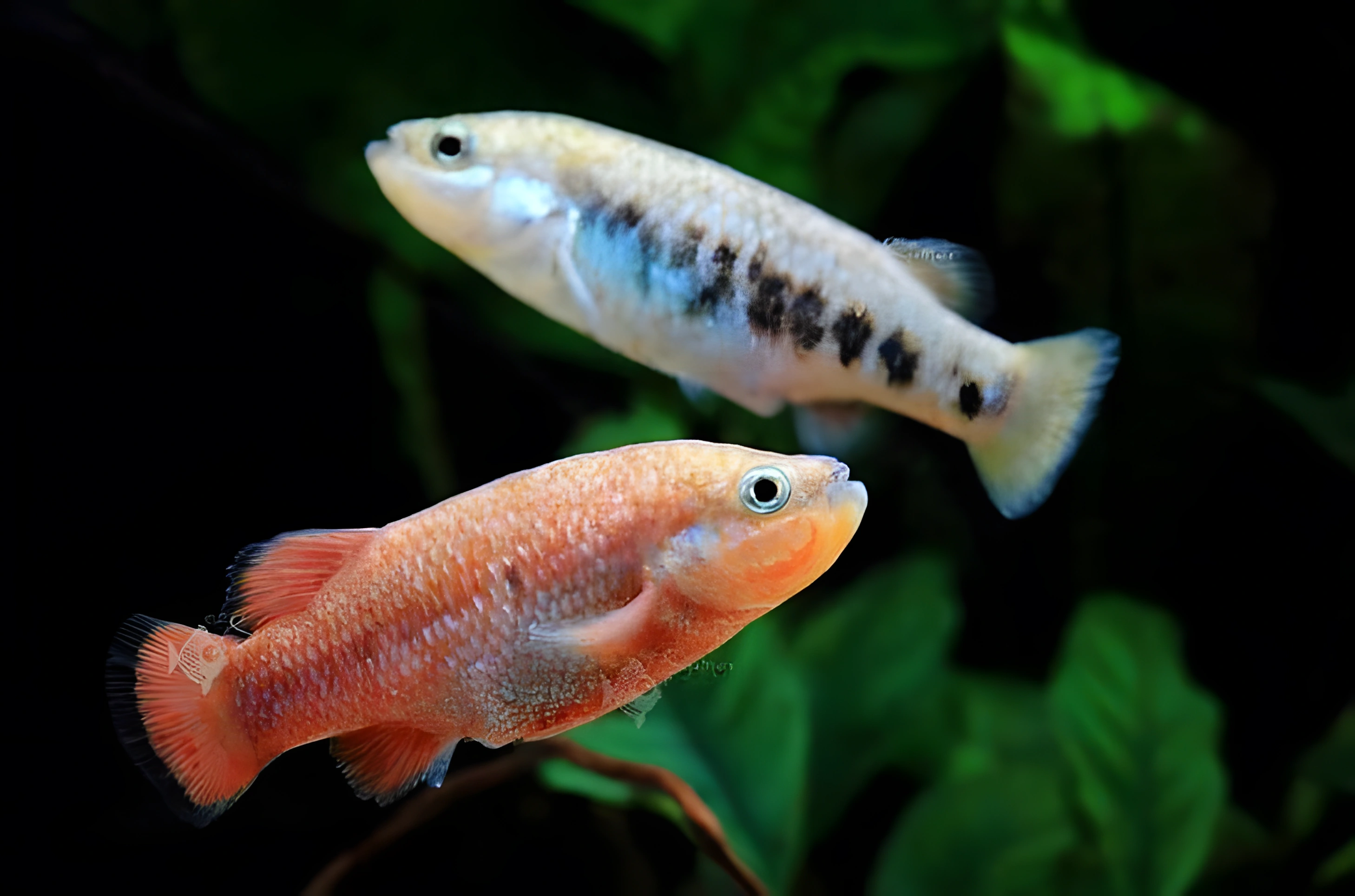
The fish known as the "Red Prince" (scientific name Characodon lateralis) belongs to the Goodeidae family. Its unpretentiousness and hardiness, along with ease of breeding and maintenance, as well as the vibrant colors of its selective forms, make this species an excellent choice for a community tank. It is suitable even for novice aquarists.
- Required aquarium volume
- 100 L
- Size in aquarium
- 5 – 6 cm
- Temperature
- 18 – 24 °C
- Temperament
- Semi-peaceful (including aggression during spawning / intraspecific conflicts)
Parameters
Water pHSlightly acidic (6) – Slightly alkaline (8)
Water dHSoft (5) – Hard (15)
Water salinityno salt (freshwater)
Size in aquarium5 – 6 cm
Lifespan4 years
TemperamentSemi-peaceful (including aggression during spawning / intraspecific conflicts)
Toward small fishnot a predator
Required aquarium volume100 L
Lightingmoderate (regular)
Substratefine sand
Water flowweak
FeedingMixed diet (meat + plant-based)
CareBoth solitary and in group (flexible)
Description
Adults reach a length of 5–6 cm; it is worth noting that females are usually slightly larger than males. Males, on the other hand, are distinguished by more intense coloration, especially in selective forms, displaying bright golden-red tones. They also have a modified anal fin, known as an andropodium, which is used to transfer sperm during mating.
Habitat
The exact habitat of this species remains undefined, only being designated as "Central America". The first wild specimens were discovered in the basin of the small Mezquital River (Río San Pedro Mezquital) near the El Saltito waterfall in central Mexico. This area is characterized by an arid climate, dominated by steppe or semi-desert vegetation. The fish prefers shallow water areas, especially those where the water is stagnant and slightly murky, with abundant aquatic flora. The substrate usually consists of dense mud mixed with stones and rock formations. Currently, the existence of this species is under threat. Human activities, such as water pollution and general habitat alteration, have unfortunately led to a critical reduction in their population.
Behavior and Compatibility
These fish are quite calm towards other species and get along well with similarly sized tankmates that can live in similar conditions. Within their own species, relationships are based on male dominance in a certain area. Providing sufficient space and dense vegetation helps reduce aggression and prevent potential conflicts. They can be kept in a group.
Care and Maintenance
For a small group of these fish, a shallow aquarium of 100 L or more is quite sufficient. When decorating, it is advisable to use fine-grained substrate and provide an abundance of rooted and floating plants to create dense thickets. Additional decorative elements can be installed at the aquarist's discretion. The filtration system and other equipment should be placed and configured to create minimal current. Although the "Red Prince" does not have strict requirements for water composition, its high quality is critically important. Therefore, weekly water changes of 15–20% of the volume are a mandatory procedure.
Diet
In their natural habitat, the fish's diet consists of small invertebrates and diatoms. For fish kept in a home aquarium, the main part of the diet should be live or frozen meaty foods, such as bloodworms, daphnia, and artemia, supplemented with vegetable additives. As an alternative, high-quality dry foods with a high protein content are suitable; they play a secondary role, serving to diversify the diet. Aqvium Flake Food for Aquarium Fish Check out our new best-selling product on Ozon with a 4.9 rating. Flake food is suitable for most aquarium fish. The raw materials are manufactured according to new European Union standards (EU 2018/848). Contains vitamins A, C, D3, E, and Omega 3-6 Buy on Ozon
Breeding and Reproduction
The "Red Prince" is a live-bearing species, which means that females do not lay eggs but give birth to fully formed offspring, as the entire incubation period takes place inside the female's body. The breeding season usually lasts from March to September. The incubation period is 50–55 days, after which about a dozen fairly large fry emerge, which are already capable of feeding on artemia nauplii. Parental instincts in these fish are poorly developed, and adults may eat their offspring. For this reason, it is recommended to transfer the fry to a separate tank.
Diseases
Health problems in these fish arise only in the presence of injuries or keeping in unsuitable conditions, which leads to a weakening of the immune system and the subsequent occurrence of various diseases. At the first signs of illness, it is necessary first to check the water parameters for exceeding permissible values or the presence of toxic substances (such as nitrites, nitrates, ammonia). If deviations are found, all indicators should be normalized, and then treatment should begin. More detailed information on symptoms and treatment methods is available in the "Diseases of Aquarium Fish" section.
How to choose
When purchasing, choose active fish with clean fins and no visible damage to the body. Avoid individuals with signs of emaciation, sunken bellies, or unnatural behavior, such as constantly hovering near the surface or trying to hide from tankmates in the corner of the aquarium. It is advisable to acquire fish from a single source to minimize the risk of introducing infections, and to clarify their keeping conditions at the store for smooth adaptation to the new aquarium.
Frequently asked questions
The essentials: size, tank volume, water parameters and care
How big does "Red Prince" get?
An adult reaches 5–6 cm in length. Plan the tank around the maximum size: the fish quickly outgrows a cramped setup.
What size aquarium does "Red Prince" need?
The minimum recommended volume is 100 L. A smaller tank speeds up nitrate build-up and raises stress levels.
What water parameters does "Red Prince" need?
Temperature 18–24 °C, pH 6–8, hardness 5–15 dGH. Stability matters more than exact values: sudden swings are harder on the fish than a small deviation from the ideal.
How long does "Red Prince" live?
Around 4 years when kept properly. Lifespan depends directly on tank volume, water quality and a varied diet.
Is "Red Prince" aggressive?
Temperament: semi-peaceful (including aggression during spawning / intraspecific conflicts). Keep this in mind when choosing tank mates.
How many "Red Prince" should be kept together?
Recommended setup: both solitary and in group (flexible). Ignoring this is a common cause of stress and disease.
What does "Red Prince" eat?
Diet type: mixed diet (meat + plant-based). Feed small portions that are finished within a couple of minutes — overfeeding does more harm than underfeeding.
What is the scientific name of "Red Prince"?
The scientific name of the species is Characodon lateralis, family Goodeidae. It also appears in the literature as: Characodon garmani.