Temperature20 – 26 °C
Natural range
- Codajás area
- Brazil area
CorydorasConservation status: Least concern LC
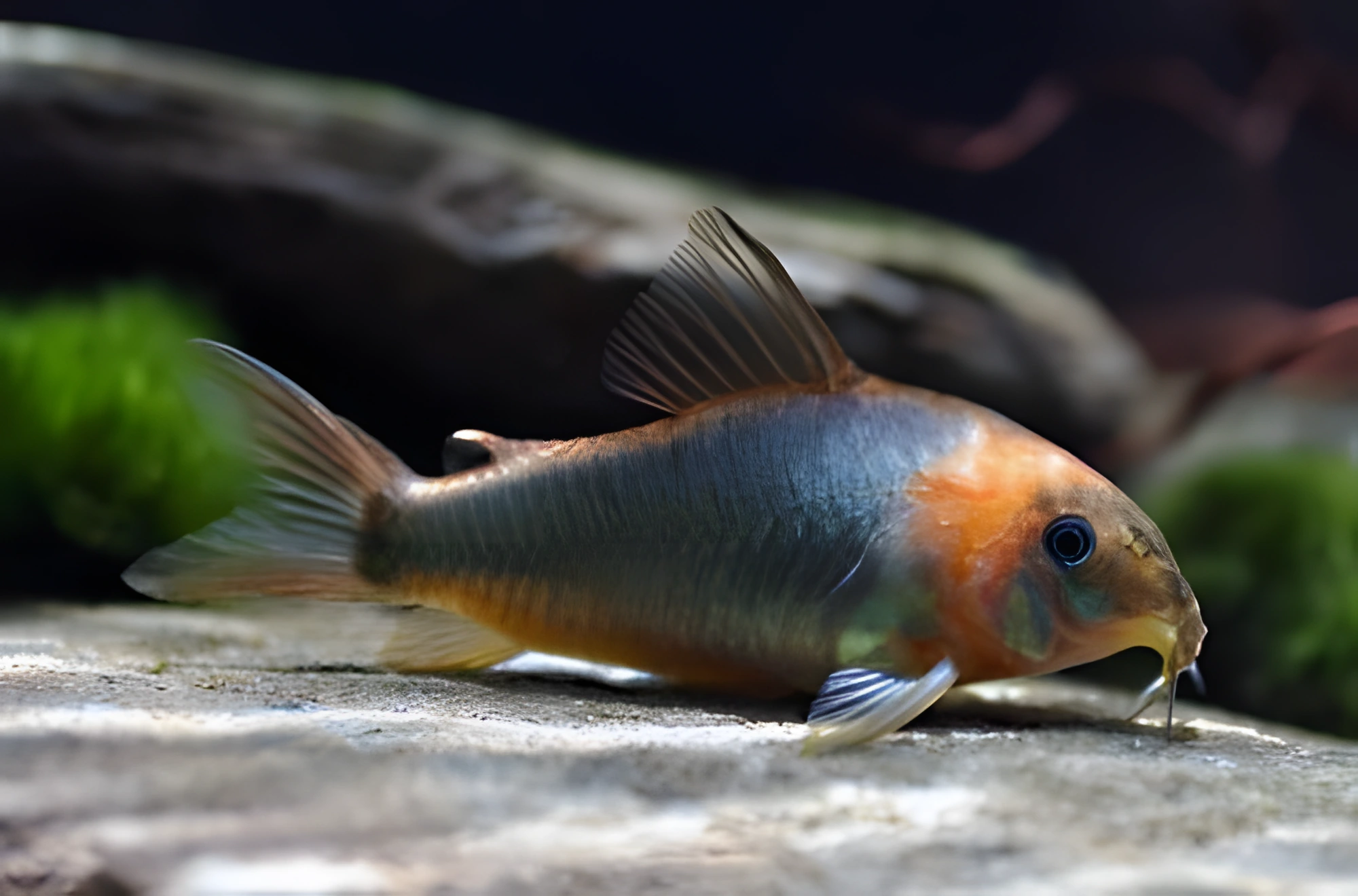
The Knight Corydoras, scientifically named Corydoras eques, is a member of the Callichthyidae family, which includes armored or callichthyid catfishes. Its Latin name, eques, translates to "knight" or "horseman," referring to the unique color pattern on the fish's body. It is believed that the appearance of this catfish evokes associations with a knight's armored horse, where dense dark areas mimic armor, and contrasting light stripes resemble harness.
- Required aquarium volume
- 80 L
- Size in aquarium
- 4 – 5 cm
- Temperature
- 20 – 26 °C
- Temperament
- Peaceful (regular)
Parameters
Water pHSlightly acidic (6) – Slightly alkaline (8)
Water dHVery soft (1) – Hard (15)
Water salinityno salt (freshwater)
Size in aquarium4 – 5 cm
Lifespan6 years
TemperamentPeaceful (regular)
Toward small fishnot a predator
Required aquarium volume80 L
Lightingweak (low)
Substratesandy (regular, light)
Water flowweak or moderate
FeedingSinking (any)
CareSmall group (5–6 individuals)
Description
Adults of this species reach a modest size, measuring 4–5 cm in length. The intensity and expressiveness of their body coloration directly depend on the substrate type: the darker the aquarium bottom, the more distinct and contrasting the fish's body pattern becomes. Dark areas can shimmer with turquoise or blue hues. A characteristic feature is an orange stripe running from the head, immediately behind the gill cover, and extending along the back. The fins are also colored in "reddish" tones.
Habitat
The species inhabits the Amazon River basin, Brazil. The type locality is the Solimões River in the Codajás region. The fish prefer areas with slow currents and are often found in biotopes with soft sandy substrate, where they can exhibit natural foraging behavior. Water parameters in their habitats are characterized by a wide pH range from 6.0 to 8.0 and soft to moderately hard water.
Behavior and Compatibility
This is a peaceful and schooling species that should be kept in groups of at least 4–6 individuals. In the aquarium, these catfishes are active, spending most of their time in the bottom layer. They are well compatible with other peaceful fish species; however, due to the presence of sharp spines on their pectoral fins, which can inflict painful stings, caution should be exercised when catching and transferring them.
Care and Maintenance
Caring for an aquarium containing Bandit Corydoras does not significantly differ from the general principles of keeping most other freshwater fish. The most important condition is maintaining clean, warm water with hydrochemical parameters that meet the needs of this species. It is essential to strictly control and prevent the accumulation of organic waste, as its excess can disrupt the stable biological balance in the aquarium. The requirements for aquarium decoration are relatively simple: it is sufficient to provide a soft substrate where the catfish can dig, and several shelters on the bottom. However, as mentioned, it is worth remembering the influence of substrate color on the fish's coloration, so it is advisable to use dark substrate. As for nutrition, catfish, like any other fish, need a complete and balanced diet, although the composition of the food is not critical. For example, a daily diet consisting exclusively of dry sinking foods is quite sufficient, provided they are produced by reputable brands. There are also special lines of food developed specifically for Corydoras. In general, the behavior of these fish is peaceful, making them excellent companions for many common aquarium species. They can even coexist with not-so-friendly neighbors thanks to their reliable "armor." Nevertheless, it is not recommended to keep them together with aggressive and territorial fish species.
Diet
In nature, they are omnivorous foragers, feeding on small invertebrates and organic detritus. In the aquarium, they accept most types of sinking foods: high-quality dry granules, catfish wafers, as well as frozen or live foods such as bloodworms or tubifex. A varied diet is recommended, as the fish should not rely solely on the leftover food of other inhabitants.
Breeding and Reproduction
Breeding requires creating conditions that mimic the rainy season. To stimulate spawning, a group with a predominance of males is used, with daily water changes to cooler water and increased aeration. The female lays adhesive eggs on the substrate, plants, or glass. To preserve the offspring, it is recommended to use spawning mops, which allow easy transfer of the eggs to a separate incubator to prevent them from being eaten by the parents.
Diseases
The species has robust health when kept in proper conditions, but is sensitive to high levels of organic water pollution. The main problems are related to damage to their sensitive barbels when kept on coarse or sharp substrate, which can lead to secondary bacterial infections. Prevention includes maintaining a clean bottom and using soft sand as a substrate.
How to choose
When choosing, pay attention to the activity of the fish and the integrity of their skin. Healthy individuals should have clean, undamaged fins, clear eyes, and intact barbels. Avoid buying fish with signs of emaciation, sunken bellies, or visible spots on the body. It is recommended to purchase a group of several individuals at once, as solitary keeping negatively affects their behavior and stress levels.
Frequently asked questions
The essentials: size, tank volume, water parameters and care
How big does Knight Corydoras get?
An adult reaches 4–5 cm in length. Plan the tank around the maximum size: the fish quickly outgrows a cramped setup.
What size aquarium does Knight Corydoras need?
The minimum recommended volume is 80 L. A smaller tank speeds up nitrate build-up and raises stress levels.
What water parameters does Knight Corydoras need?
Temperature 20–26 °C, pH 6–8, hardness 1–15 dGH. Stability matters more than exact values: sudden swings are harder on the fish than a small deviation from the ideal.
How long does Knight Corydoras live?
Around 6 years when kept properly. Lifespan depends directly on tank volume, water quality and a varied diet.
Is Knight Corydoras aggressive?
Temperament: peaceful (regular). Keep this in mind when choosing tank mates.
How many Knight Corydoras should be kept together?
Recommended setup: small group (5–6 individuals). Ignoring this is a common cause of stress and disease.
What does Knight Corydoras eat?
Diet type: sinking (any). Feed small portions that are finished within a couple of minutes — overfeeding does more harm than underfeeding.
What is the scientific name of Knight Corydoras?
The scientific name of the species is Corydoras eques, family Armored or Callichthyid Catfish (Callichthyidae).