Temperature20 – 26 °C
Natural range
- Amazon River Basin
- Paraguay River Basin
- Paraná River Basin
- Brazil area
CorydorasConservation status: Least concern LC
Other scientific names: Corydoras australe, Microcorydoras hastatus
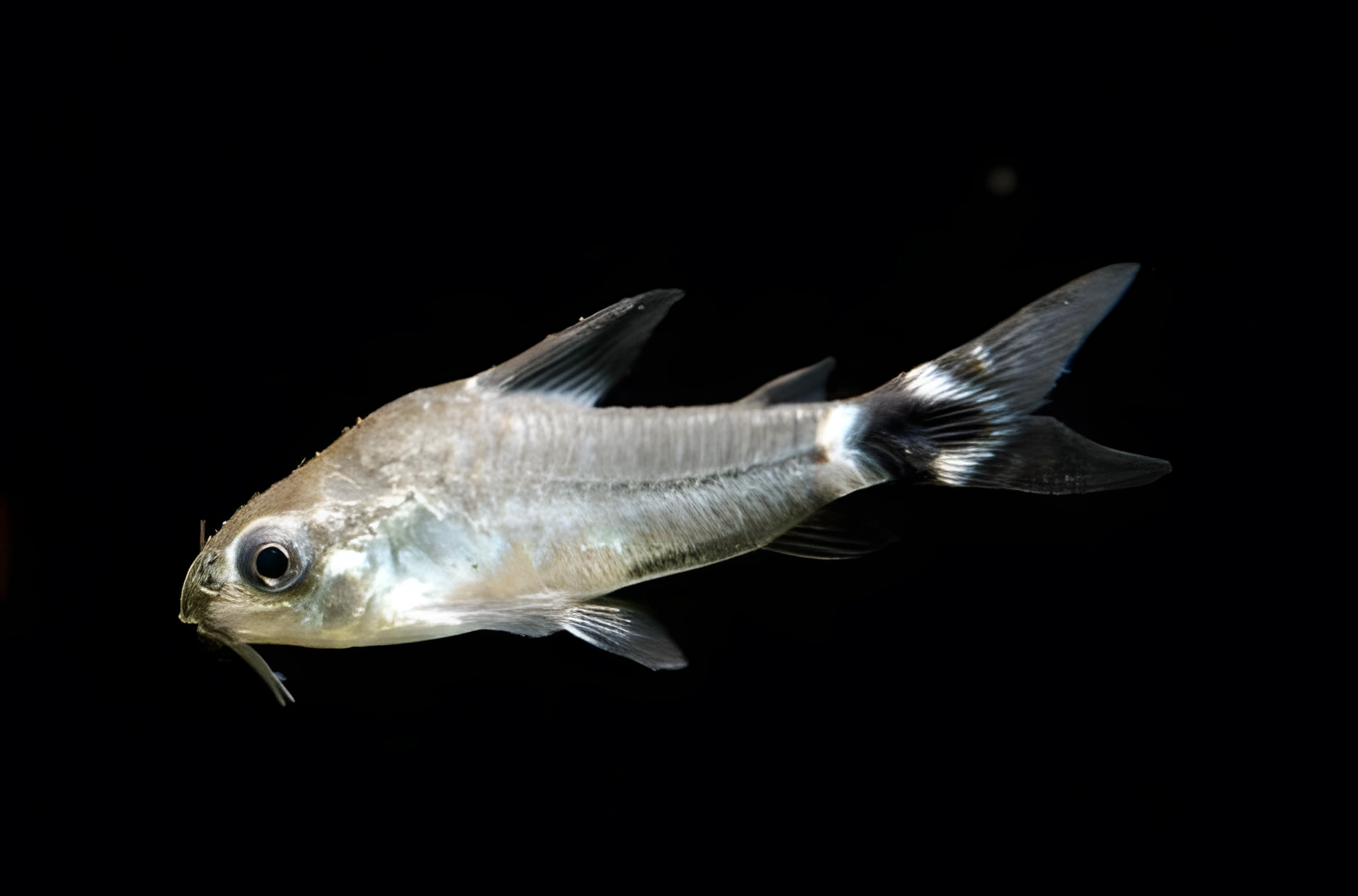
The Dwarf Corydoras, also known as the Sparrow Corydoras, bears the scientific name Corydoras hastatus and belongs to the family Callichthyidae (Armored or Callichthid Catfishes). Its Latin name, “hastatus,” translates to “spear-bearing,” which explains the alternative name “Spear-bearing Corydoras.” It was given by biologists because the pattern on the fish's caudal peduncle reminded them of an arrowhead.
- Required aquarium volume
- 40 L
- Size in aquarium
- 2.5 – 4 cm
- Temperature
- 20 – 26 °C
- Temperament
- Peaceful (regular)
Parameters
Water pHSlightly acidic (6) – Neutral (7.5)
Water dHVery soft (1) – Hard (12)
Water salinityno salt (freshwater)
Size in aquarium2.5 – 4 cm
Lifespan5 years
TemperamentPeaceful (regular)
Toward small fishnot a predator
Required aquarium volume40 L
Lightingweak (low)
Substratesandy (regular, light)
Water flowweak
FeedingSinking (any)
CareSmall group (5–6 individuals)
Description
Adults of this fish rarely exceed 3 cm in length. Due to its small size, the Sparrow Corydoras is sometimes confused with the Pygmy Corydoras, although there are significant differences between them. The body of the Sparrow Corydoras has a characteristic small hump under the dorsal fin. Its coloration is gray, but depending on the lighting, silver or emerald iridescence may appear. One of the most notable features of this species is the pattern on its tail: a dark spot framed by light stripes.
Habitat
Its habitat covers the Amazon River basin in Brazil, northeastern Bolivia, as well as the Paraguay and Paraná River basins in Paraguay and northern Argentina. The fish inhabit shallow tributaries, backwaters, and swampy areas with silty or sandy bottoms. In nature, they prefer bodies of water with calm currents and abundant aquatic vegetation.
Behavior and Compatibility
A peaceful and schooling species, showing the greatest activity in a group. It is recommended to keep a school of 6–10 individuals, as fish kept alone become timid and prone to stress. Unlike many other corydoras, they often stay in the middle layers of the water. They are well compatible with small non-aggressive fish, such as neon tetras, rasboras, or shrimp.
Care and Maintenance
The wide natural habitat of these fish usually indicates their good adaptability to various conditions. The Dwarf Corydoras adapts perfectly to a significant range of acceptable pH and dGH values. It has no special requirements for aquarium decoration — a soft substrate and a few shelters are sufficient. The Dwarf Corydoras is also undemanding in terms of feeding. The optimal aquarium volume for a group of 4–6 fish starts from 40 liters. For successful long-term keeping, it is important to prevent the accumulation of organic waste — this can be food remnants or excrement. In addition, it is necessary to maintain a stable hydrochemical composition of the water. For this purpose, the aquarium is equipped with everything necessary, primarily a filtration system, and regular maintenance is carried out. This includes weekly partial water changes with fresh water, as well as cleaning the substrate and decor elements.
Feeding: This species is considered omnivorous and readily consumes most popular aquarium foods: dry (flakes, granules, tablets), frozen, and live. However, live foods are preferred. The diet should be based on bloodworms, Artemia, Daphnia, and similar products.
Behavior and Compatibility: This is an exceptionally peaceful and calm fish. In nature, they gather in large schools, so the minimum number for keeping in an aquarium is a group of 4–6 corydoras. Given the small size of the Dwarf Corydoras, it is important to responsibly choose its tank mates. Any large, and especially aggressive, fish should be categorically excluded.
Diet
Omnivorous species. In the aquarium, they accept high-quality dry foods in the form of small granules or tablets suitable for bottom-dwelling fish. It is recommended to diversify the diet with live or frozen foods, such as Artemia, Daphnia, and small bloodworms. The food should be small enough for the fish to easily swallow.
Breeding and Reproduction
Spawning is paired or in groups, often stimulated by changing part of the water to fresher and cooler water. The female lays eggs on plant leaves or the aquarium glass. The eggs develop from several days to a week. Fry, after transitioning to independent feeding, need fine food such as Artemia nauplii or rotifers. Parents usually do not eat their offspring if sufficiently fed.
Diseases
The species is sensitive to water quality and the accumulation of organic waste. Typical diseases for armored catfish, including bacterial infections of the skin and fins due to poor hygiene, are common. It is important to use a soft substrate without sharp edges, as damage to the barbels can lead to secondary infections. Prevention involves regular water changes and maintaining stable parameters.
How to choose
When purchasing, choose active individuals with clean fins and no white spots or sores on their bodies. Healthy fish should have intact barbels and show curiosity, moving in a school. Avoid specimens with sunken bellies or signs of apathy, as this may indicate stress or exhaustion.
Frequently asked questions
The essentials: size, tank volume, water parameters and care
How big does Dwarf Corydoras get?
An adult reaches 2.5–4 cm in length. Plan the tank around the maximum size: the fish quickly outgrows a cramped setup.
What size aquarium does Dwarf Corydoras need?
The minimum recommended volume is 40 L. A smaller tank speeds up nitrate build-up and raises stress levels.
What water parameters does Dwarf Corydoras need?
Temperature 20–26 °C, pH 6–7.5, hardness 1–12 dGH. Stability matters more than exact values: sudden swings are harder on the fish than a small deviation from the ideal.
How long does Dwarf Corydoras live?
Around 5 years when kept properly. Lifespan depends directly on tank volume, water quality and a varied diet.
Is Dwarf Corydoras aggressive?
Temperament: peaceful (regular). Keep this in mind when choosing tank mates.
How many Dwarf Corydoras should be kept together?
Recommended setup: small group (5–6 individuals). Ignoring this is a common cause of stress and disease.
What does Dwarf Corydoras eat?
Diet type: sinking (any). Feed small portions that are finished within a couple of minutes — overfeeding does more harm than underfeeding.
What is the scientific name of Dwarf Corydoras?
The scientific name of the species is Corydoras hastatus, family Armored or Callichthyid Catfishes (Callichthyidae). It also appears in the literature as: Corydoras australe, Microcorydoras hastatus.