Temperature24 – 28 °C
Natural range
- Thailand area
- Southeast Asia area
Labyrinth fishConservation status: Data deficient DD
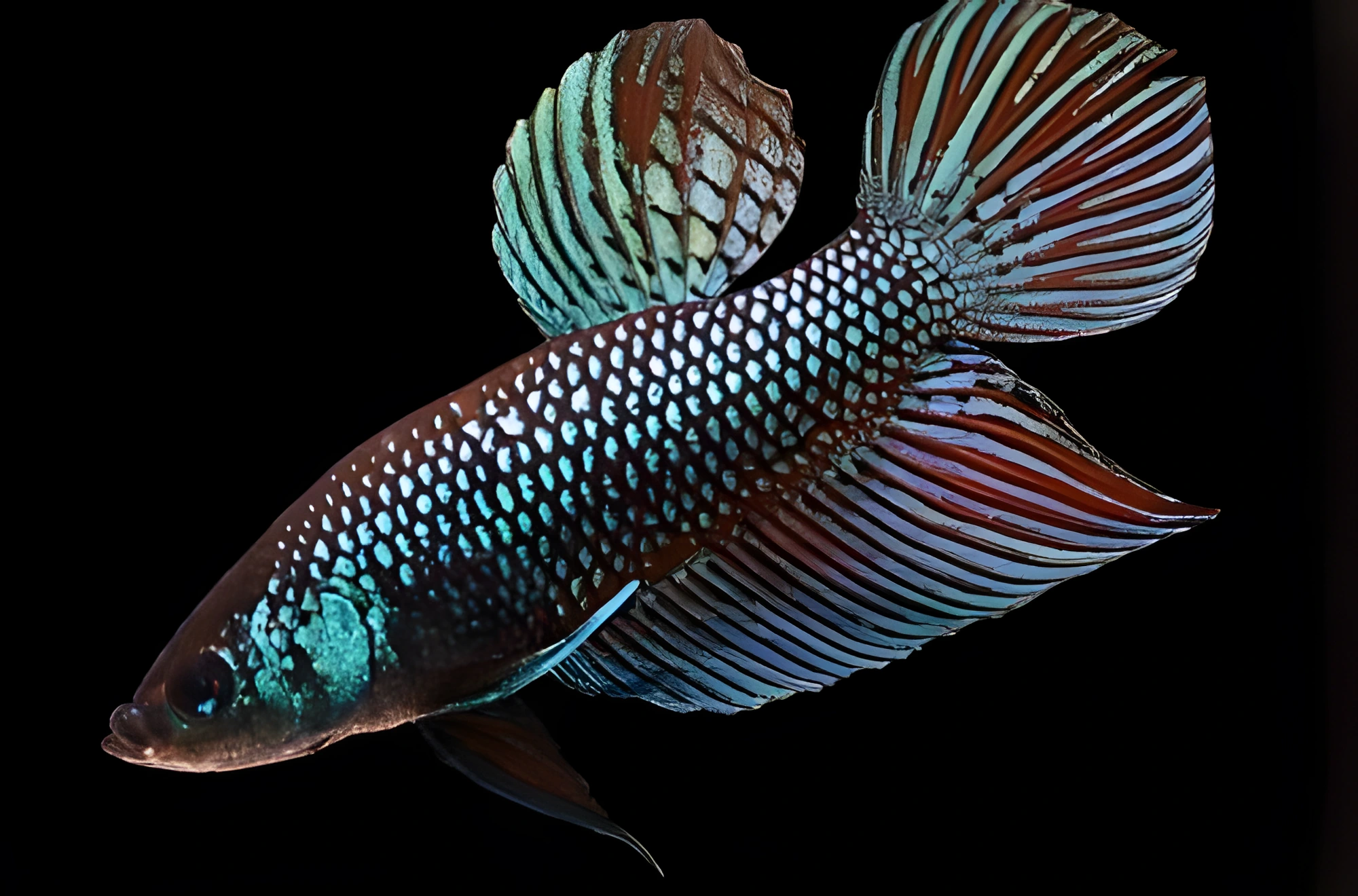
Betta smaragdina, also known as the Emerald Betta or Green Betta, is a member of the family Osphronemidae. This fish is attractive due to its beauty and relative ease of care, provided some basic requirements are met. One interesting feature of the species is the variation in coloration (intensity of red or green hues) among populations that have developed in comparative isolation. Among connoisseurs, specimens that have retained their original coloration and have confirmed origins from specific natural habitats are especially highly valued. Such fish are rarely found for sale; for most aquarists, their descendants, which have been successfully bred in commercial nurseries for many generations, are available.
- Required aquarium volume
- 40 L
- Size in aquarium
- 6 cm
- Temperature
- 24 – 28 °C
- Temperament
- Semi-peaceful (including aggression during spawning / intraspecific conflicts)
Parameters
Water pHSlightly acidic (5.5) – Neutral (7.5)
Water dHVery soft (1) – Medium hardness (10)
Water salinityno salt (freshwater)
Size in aquarium6 cm
Lifespan4 years
TemperamentSemi-peaceful (including aggression during spawning / intraspecific conflicts)
Toward small fishnot a predator
Required aquarium volume40 L
Lightingdimmed
Substratesoft silted
Water flownone or stagnant (no flow)
FeedingAny (universal)
CarePair (male/female)
Description
Adults of this fish reach a length of approximately 5–6 cm. Males typically display brighter coloration, predominantly emerald green tones with possible red or blue iridescence. Their fins are wide and elongated, especially the pectoral fins. Females, on the other hand, have a more modest appearance both in color intensity and fin size.
Habitat
Originally, this species inhabits modern-day Thailand in Southeast Asia. These fish populate various swampy areas, and are found in streams, small forest floor puddles, and flooded rice paddies. The bottom of such bodies of water is usually covered with an abundant layer of fallen leaves, branches, and other plant debris. Water parameters in these locations are subject to significant fluctuations, especially during monsoon tropical rains.
Behavior and Compatibility
Green Betta males, also known as fighting fish, exhibit significant aggression towards each other and can engage in fierce battles. Keeping them together is strictly prohibited. A male can live in the company of one or more females. To maintain his activity, a safe mirror can be periodically placed on the side of the aquarium. Despite their fighting reputation, this fish is quite timid and can easily be frightened by more active species of similar size. Therefore, small and peaceful fish should be chosen as tank mates, or bettas should be kept in a species-only tank.
Care and Maintenance
A tank of 40 liters or more is suitable for one or two fish. It is important to provide a cover glass or lid: it helps create a warm air layer above the water surface, which is critically important for the health of labyrinth fish. The aquarium decor can be varied, but several points should be considered: provide subdued lighting and plenty of hiding places. Driftwood, various decorative elements (e.g., castles or sunken ships), or ceramic pots turned on their side can serve as such. Riccia, Tiger Lotus, Salvinia, Cryptocorynes, and Java moss have proven to be good plant choices. Water hydrochemical parameters should be soft, with low hardness and pH values. To bring the aquarium conditions as close as possible to the natural environment, peat-based filter material can be used. It is also recommended to place dried oak leaves on the bottom; as they gradually decompose, they will enrich the water with tannins and give it a slight brownish tint. Before adding leaves to the aquarium, they should be soaked in a separate container until they sink, otherwise they will float on the surface. Leaves are replaced approximately once every one to two weeks.
Diet
In natural conditions, the fish's diet consists of small invertebrates such as insects and crustaceans. In a home aquarium, popular dry foods are acceptable, which are recommended to be combined with meaty supplements, such as daphnia, bloodworms, or fruit flies. The modern market also offers specialized foods for Betta fish from well-known manufacturers. These foods are enriched with vital vitamins and trace elements that help maintain good tone and preserve vibrant coloration. Despite their higher cost, such foods significantly simplify the care process, eliminating the need for regular purchase and storage of live foods, which can be inconvenient or unappealing for some aquarists.
Breeding and Reproduction
A drop in water temperature to 23–24°C serves as a stimulus for spawning, mimicking the rainy season in their natural environment when the fish begin their breeding period. Males start building a bubble nest, usually placing it under broad leaves, in dense floating vegetation, or in cave-like shelters on the bottom (e.g., in ceramic pots used for decoration). During nest construction, the male exhibits rather aggressive behavior towards the female, not allowing her close until it is fully ready. Shortly before spawning, the female's coloration becomes duller, and dark horizontal stripes appear on her sides. The act of spawning is accompanied by characteristic "embraces," where the fish seem to wrap around each other. At the climax, milt and several eggs are released from the female, which are then carefully placed into the nest. This process is repeated several times until all eggs are laid. After this, the female leaves the nest, leaving the male to protect and care for the future offspring. Fry usually appear after 24–48 hours and remain in the nest for another 3–4 days. Throughout this time, the male vigilantly picks up any fry that accidentally fall out or swim away. When the fry begin to swim freely, the male loses interest in them. Adults are not prone to cannibalism and generally do not eat their own offspring. However, this does not apply to other aquarium inhabitants, so it is advisable to transfer the fry to a separate tank with similar water conditions. Specialized foods are used to feed the fry.
Diseases
One of the main causes of most fish diseases is inadequate living conditions and a low-quality diet. If the first signs of illness are noticed, it is first necessary to check the water parameters to rule out elevated levels of dangerous compounds (ammonia, nitrites, nitrates, and others). If deviations are found, the indicators should be stabilized to normal, and only then should targeted treatment begin. More detailed information on the symptoms of various diseases and methods of their therapy is available in the section "Diseases of Aquarium Fish."
How to choose
When choosing a healthy specimen, pay attention to the fish's activity: it should show curiosity and swim around the aquarium, not lie motionless on the bottom or near the surface. Visual inspection should confirm the absence of fin damage, ulcers, white film, or spots on the body. Avoid specimens with an unnaturally swollen abdomen or, conversely, severe emaciation, as this may indicate internal parasitic infections.
Keep in mind that hybrids or selectively bred forms are often found in commercial sales, which may differ from the wild type in coloration and behavior. If you are looking for a purebred line, clarify the origin of the fish, as many specimens in pet stores are the result of many years of captive breeding. Buy only from reputable breeders if the purity of the genetic line from a specific area is critically important to you.
Frequently asked questions
The essentials: size, tank volume, water parameters and care
How big does Emerald Betta get?
An adult reaches 6 cm in length. Plan the tank around the maximum size: the fish quickly outgrows a cramped setup.
What size aquarium does Emerald Betta need?
The minimum recommended volume is 40 L. A smaller tank speeds up nitrate build-up and raises stress levels.
What water parameters does Emerald Betta need?
Temperature 24–28 °C, pH 5.5–7.5, hardness 1–10 dGH. Stability matters more than exact values: sudden swings are harder on the fish than a small deviation from the ideal.
How long does Emerald Betta live?
Around 4 years when kept properly. Lifespan depends directly on tank volume, water quality and a varied diet.
Is Emerald Betta aggressive?
Temperament: semi-peaceful (including aggression during spawning / intraspecific conflicts). Keep this in mind when choosing tank mates.
How many Emerald Betta should be kept together?
Recommended setup: pair (male/female). Ignoring this is a common cause of stress and disease.
What does Emerald Betta eat?
Diet type: any (universal). Feed small portions that are finished within a couple of minutes — overfeeding does more harm than underfeeding.
What is the scientific name of Emerald Betta?
The scientific name of the species is Betta smaragdina, family Osphronemidae.