Temperature23 – 26 °C
Natural range
- Indochina Peninsula area
- Malay Peninsula area
LoachesConservation status: Least concern LC
Other scientific names: Lepidocephalus furcatus
The Forktail Loach, scientifically known as Lepidocephalichthys furcatus, belongs to the family Cobitidae (Loaches). Although not distinguished by bright coloration, these fish possess other valuable qualities: they are hardy and undemanding. They will fit perfectly into a community aquarium with other peaceful freshwater inhabitants. This species can be confidently recommended to beginner aquarists.
- Required aquarium volume
- 40 L
- Size in aquarium
- 4 – 5 cm
- Temperature
- 23 – 26 °C
- Temperament
- Peaceful (regular)
Parameters
Water pHSlightly acidic (5.5) – Neutral (7.5)
Water dHVery soft (1) – Medium hardness (10)
Water salinityno salt (freshwater)
Size in aquarium4 – 5 cm
Lifespan5 years
TemperamentPeaceful (regular)
Toward small fishnot a predator
Required aquarium volume40 L
Lightingdimmed
Substratesoft sandy (including silted)
Water flowweak
FeedingSinking (meat / protein)
CareSmall group (3–4 individuals)
Description
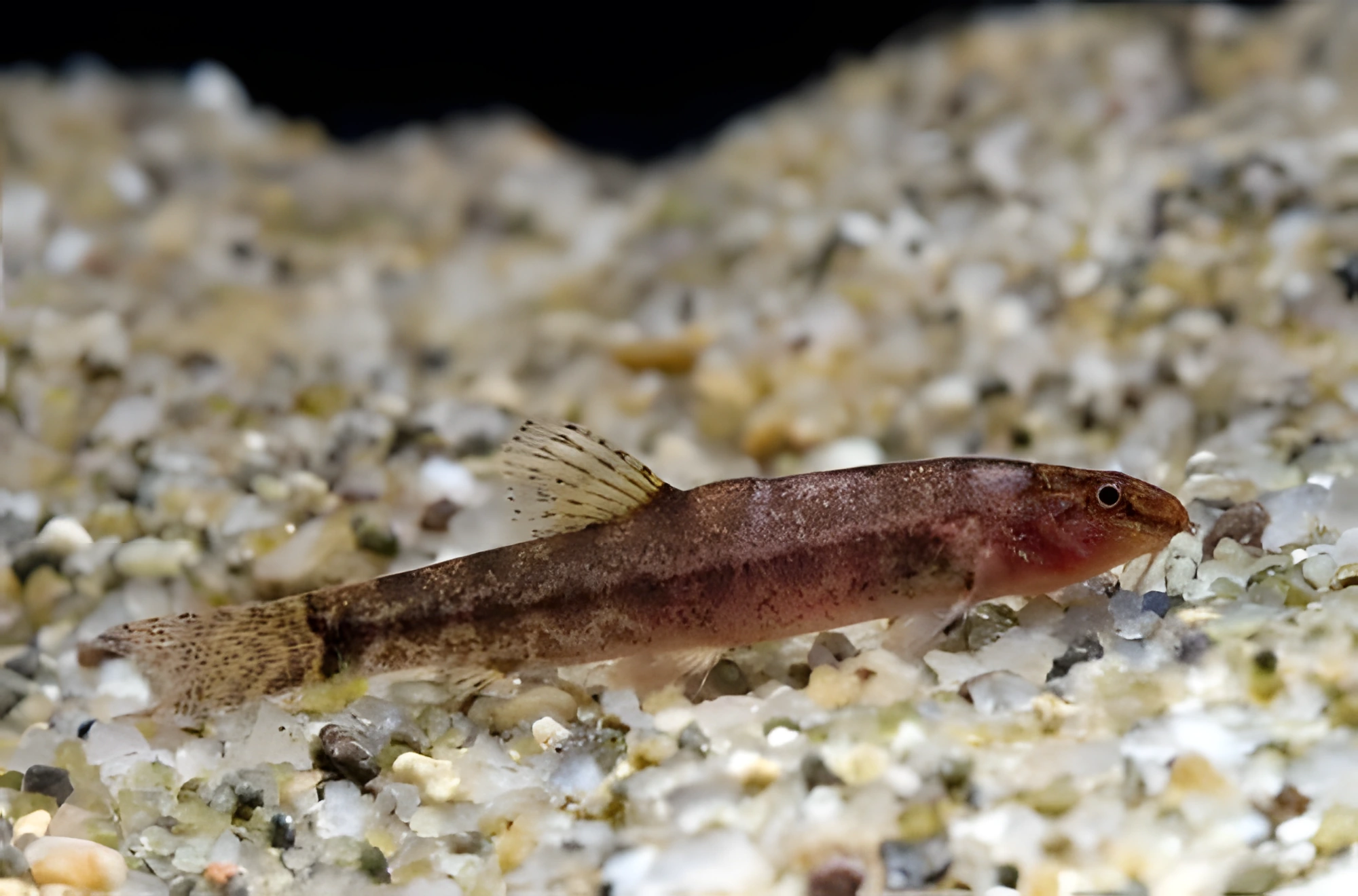
Adults reach a modest 4–5 cm in length. Their body is elongated, and their fins are short. The coloration is predominantly gray, with brownish pigmentation. A distinctive feature is the caudal fin, whose outer rays are elongated, creating a fork-like effect. It is this characteristic that gave the species the name "forktail" and is unique among members of the genus. Sexual dimorphism is weakly expressed: males and females are outwardly similar, but females may be somewhat more massive than males.
Habitat
The homeland of this fish is Southeast Asia, where it inhabits the Indochina and Malay Peninsulas, as well as the island of Sumatra. The Forktail Loach inhabits shallow bodies of water with slow currents or stagnant water—these can be river backwaters, lakes, or swamps. These fish are also often found in rice paddies. Their natural habitats are characterized by an abundance of plant debris, such as leaves, branches, and roots, on the bottom, combined with a layer of silt.
Behavior and Compatibility
These fish are peaceful towards both their conspecifics and representatives of other species. They prefer to live in groups, so it is recommended to acquire at least 4–5 individuals. Fish that inhabit the middle and upper water layers make excellent tankmates—these include most cyprinids, such as danios, rasboras, and others.
Care and Maintenance
For a comfortable existence of a group of four fish, the aquarium should have a volume of at least 40 liters. Due to their specific feeding habits, special attention should be paid to the choice of substrate when setting up the aquarium. Fine-grained sand will be an ideal solution, as the fish use their mouths to sift through it in search of food. For the same reason, it is important to carefully select rooted plants: specimens with weak root systems are likely to be easily uprooted. The interior can be supplemented with snags and other natural or artificial decorative elements, which will also serve as shelters. The setup will be completed by adding leaves from various trees, such as Indian almond, oak, birch, or alder. In addition to their aesthetic function, these leaves will help recreate the water chemistry characteristic of the Forktail Loach's natural habitats. More detailed information can be found in the section "Which tree leaves can be used in an aquarium." To ensure the long-term well-being of these fish, it is critically important to maintain soft, slightly acidic water, as well as to perform weekly aquarium maintenance. This will help prevent the accumulation of organic waste, such as food remnants and excrement, and ensure proper equipment prophylaxis.
Diet
In the wild, these fish obtain food by sifting through the substrate with their mouths in search of small invertebrates. In a home aquarium, their diet should consist of sinking, protein-rich foods. In addition, the menu should include fresh or frozen brine shrimp, bloodworms, daphnia, and similar products.
Breeding and Reproduction
The reproduction of Forktail Loaches in their natural environment is seasonal. Changes in environmental conditions serve as a stimulus for spawning. At the time of writing, no successful cases of breeding this species in home aquariums have been recorded.
Diseases
When fish are kept in suitable conditions, receive a balanced diet, and are not exposed to external threats, such as attacks from tankmates, this is the best guarantee of their health. Signs of illness may indicate problems with their keeping. Often, restoring normal living conditions promotes natural healing, but if the fish's body is too weakened, medicinal treatment may be required. More detailed information on symptoms and treatment methods can be found in the section "Diseases of aquarium fish."
How to choose
When choosing a forktail loach, attention should be paid to the overall activity of the individuals in the aquarium. Healthy fish should show natural curiosity and periodically explore the substrate. Avoid specimens with signs of emaciation, damaged fins, or visible spots on the body. It is important to note that this species is a bottom dweller, so frequent presence of the fish on the bottom or in shelters is normal, but it should react quickly to external stimuli.
Since the species is rarely found in mass sale and often enters stores as bycatch, when purchasing, it is worth ensuring the absence of stressed behavior, such as chaotic movements or attempts to constantly stay near the water surface. Healthy individuals should have clear, non-cloudy eyes and even breathing. It is recommended to acquire a group of several individuals, as when alone, these fish become extremely timid and may refuse food, which complicates adaptation to new conditions.
Frequently asked questions
The essentials: size, tank volume, water parameters and care
How big does Forktail Loach get?
An adult reaches 4–5 cm in length. Plan the tank around the maximum size: the fish quickly outgrows a cramped setup.
What size aquarium does Forktail Loach need?
The minimum recommended volume is 40 L. A smaller tank speeds up nitrate build-up and raises stress levels.
What water parameters does Forktail Loach need?
Temperature 23–26 °C, pH 5.5–7.5, hardness 1–10 dGH. Stability matters more than exact values: sudden swings are harder on the fish than a small deviation from the ideal.
How long does Forktail Loach live?
Around 5 years when kept properly. Lifespan depends directly on tank volume, water quality and a varied diet.
Is Forktail Loach aggressive?
Temperament: peaceful (regular). Keep this in mind when choosing tank mates.
How many Forktail Loach should be kept together?
Recommended setup: small group (3–4 individuals). Ignoring this is a common cause of stress and disease.
What does Forktail Loach eat?
Diet type: sinking (meat / protein). Feed small portions that are finished within a couple of minutes — overfeeding does more harm than underfeeding.
What is the scientific name of Forktail Loach?
The scientific name of the species is Lepidocephalichthys furcatus, family Cobitidae (Loaches). It also appears in the literature as: Lepidocephalus furcatus.