Temperature23 – 26 °C
Natural range
- Thailand area
- Southeast Asia area
Loaches
The Kranos Loach, scientifically known as Lepidocephalichthys kranos, belongs to the family Cobitidae (Loaches). Its name, "kranos," comes from Greek and means "helmet," referring to the characteristic bony plates that protect this fish's head.
- Required aquarium volume
- 50 L
- Size in aquarium
- 5 cm
- Temperature
- 23 – 26 °C
- Temperament
- Peaceful (regular)
Parameters
Water pHSlightly acidic (5.5) – Neutral (7.5)
Water dHVery soft (1) – Hard (15)
Water salinityno salt (freshwater)
Size in aquarium5 cm
Lifespan5 years
TemperamentPeaceful (regular)
Toward small fishnot a predator
Required aquarium volume50 L
Lightingdimmed
Substratesandy (regular, light)
Water flowweak
FeedingSinking (meat / protein)
CareSmall group (3–4 individuals)
Description
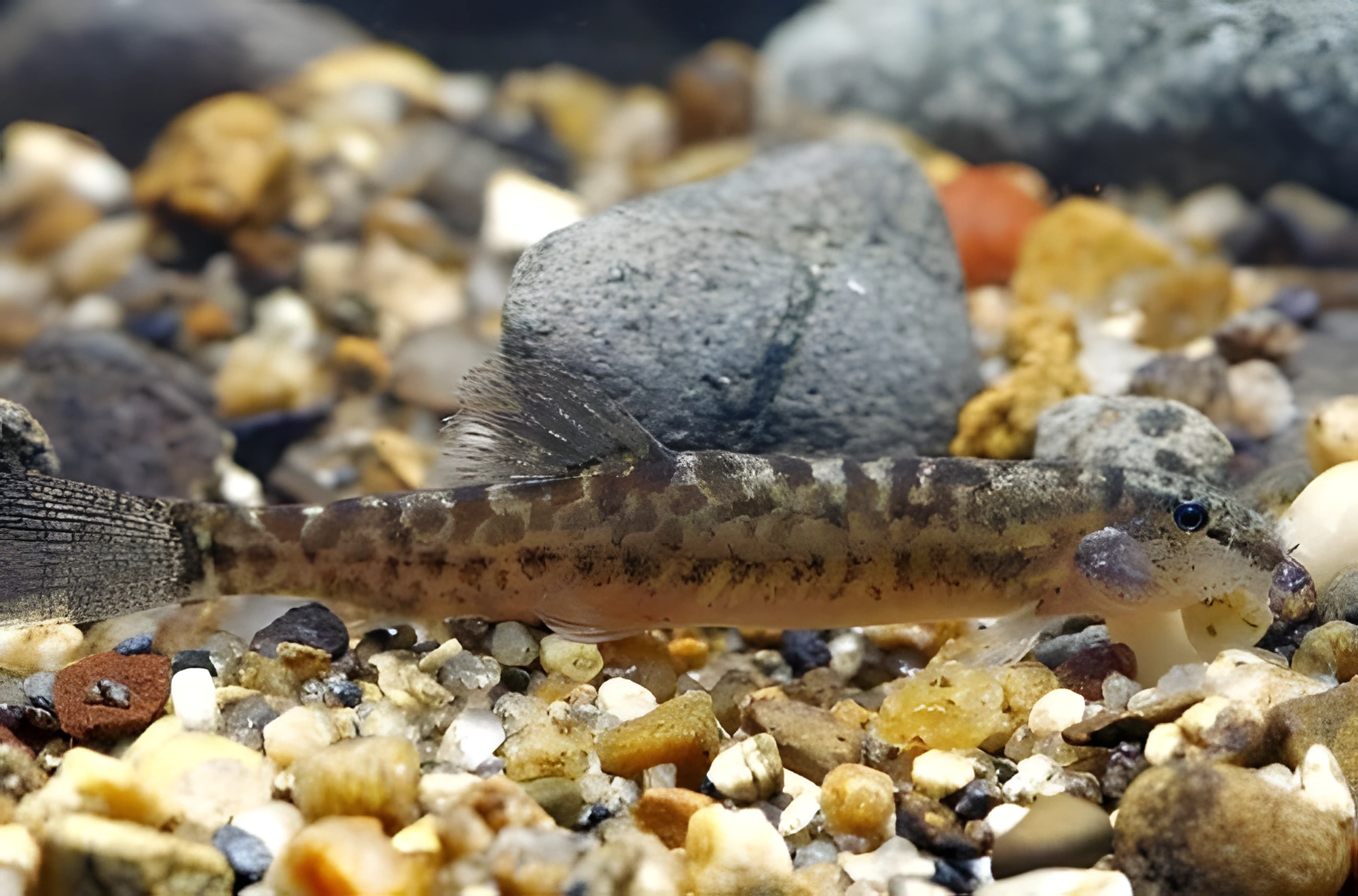
Adults grow to approximately 4 cm in length. Their body is elongated and slender, and the head, as previously noted, is covered with protective bony plates. Their fins are short, and their coloration is a distinctive brown mosaic pattern on a dark yellow background.
Habitat
The Kranos Loach is native to the waters of Southeast Asia, including the Chao Phraya and Mekong river basins, which primarily flow through Thailand. These fish are often found in shallow river sections, backwaters, swamps, and even rice paddies. Their typical habitat consists of turbid waters with silty bottoms covered with fallen vegetation, leaves, and branches. Due to unstable water levels during dry periods, such bodies of water can shrink significantly, turning into small muddy puddles.
Behavior and Compatibility
These fish are known for their peaceful and friendly nature. They get along perfectly with their own kind as well as with other aquarium fish of similar size and temperament.
Care and Maintenance
For a small group of 3–4 Kranos Loaches, an aquarium of 50–60 liters is required. The most important element of the setup is fine-grained substrate, while other decorations are chosen according to the aquarist's preference. It is desirable to provide various shelters: these can be intertwined snags, a layer of large fallen leaves, or other natural/artificial decor. The Kranos Loach is considered a hardy and unpretentious species. Due to the peculiarities of their natural habitat, water quality requirements are not as strict as for many other aquarium fish. However, it is important not to neglect regular aquarium maintenance. Specifically, a portion of the water should be replaced with fresh water every week, while simultaneously removing accumulated organic waste, such as food debris and excrement.
Diet
These fish feed by sifting through the substrate with their mouths in search of small invertebrates, plant matter, and algae. To recreate natural conditions in the aquarium, soft sandy substrates should be used. Their diet in home keeping can consist of dry foods such as flakes, granules, and tablets, enriched with proteins and plant components.
Breeding and Reproduction
Currently, there are no recorded instances of successful breeding of Kranos Loaches in home aquariums.
Diseases
Diseases among these fish are rare, provided they are kept in a favorable environment. The main causes of most ailments are deteriorating external conditions, poor nutrition, or aggressive behavior from tank mates. Thus, the appearance of signs of illness often serves as a signal of problems in care. Usually, eliminating these root causes promotes self-healing, but if the fish's condition has seriously worsened, medication may be required. More detailed information on symptoms and treatment methods can be found in the "Aquarium Fish Diseases" section.
How to choose
When purchasing a Kranos Loach, it is important to pay attention to the fish's activity and the condition of its skin. Healthy individuals should show natural curiosity, actively explore the bottom, and not exhibit signs of emaciation or apathy. Avoid specimens with sunken bellies, damaged fins, whitish spots, or film on the body, which may indicate the presence of parasites or bacterial infections.
Since this species leads a benthic lifestyle and often burrows into the substrate, assess the condition of its barbels — they should be intact, without signs of erosion or inflammation. It is advisable to observe the fish's behavior in the store's aquarium: healthy loaches should not constantly hide or show signs of panic. If possible, ask the seller to feed the fish to ensure it has a normal appetite. Pay special attention to the cleanliness of the water in the display aquarium, as any signs of an unhealthy environment can lead to hidden diseases in these sensitive bottom-dwelling fish.
Frequently asked questions
The essentials: size, tank volume, water parameters and care
How big does Kranos Loach get?
An adult reaches 5 cm in length. Plan the tank around the maximum size: the fish quickly outgrows a cramped setup.
What size aquarium does Kranos Loach need?
The minimum recommended volume is 50 L. A smaller tank speeds up nitrate build-up and raises stress levels.
What water parameters does Kranos Loach need?
Temperature 23–26 °C, pH 5.5–7.5, hardness 1–15 dGH. Stability matters more than exact values: sudden swings are harder on the fish than a small deviation from the ideal.
How long does Kranos Loach live?
Around 5 years when kept properly. Lifespan depends directly on tank volume, water quality and a varied diet.
Is Kranos Loach aggressive?
Temperament: peaceful (regular). Keep this in mind when choosing tank mates.
How many Kranos Loach should be kept together?
Recommended setup: small group (3–4 individuals). Ignoring this is a common cause of stress and disease.
What does Kranos Loach eat?
Diet type: sinking (meat / protein). Feed small portions that are finished within a couple of minutes — overfeeding does more harm than underfeeding.
What is the scientific name of Kranos Loach?
The scientific name of the species is Lepidocephalichthys kranos, family True Loaches (Cobitidae).