Temperature22 – 27 °C
Natural range
- Rakhine State
- Myanmar area
CyprinidsConservation status: Vulnerable VU
The Rainbow Garra, or Panda Garra (scientific name Garra flavatra), belongs to the family Cyprinidae (Carps). This species was first introduced to hobbyists in 2005 and has since rapidly gained popularity.
- Required aquarium volume
- 80 L
- Size in aquarium
- 7 – 9 cm
- Temperature
- 22 – 27 °C
- Temperament
- Semi-peaceful (including aggression during spawning / intraspecific conflicts)
Parameters
Water pHNeutral (6.5) – Neutral (7.5)
Water dHVery soft (2) – Hard (12)
Water salinityno salt (freshwater)
Size in aquarium7 – 9 cm
Lifespan6 years
TemperamentSemi-peaceful (including aggression during spawning / intraspecific conflicts)
Toward small fishnot a predator
Required aquarium volume80 L
Lightingbright
Substraterocky (rock formations, boulders, etc.)
Water flowmoderate or strong
FeedingPlant-based (algae, vegetables)
CareSmall group (3–4 individuals)
Description
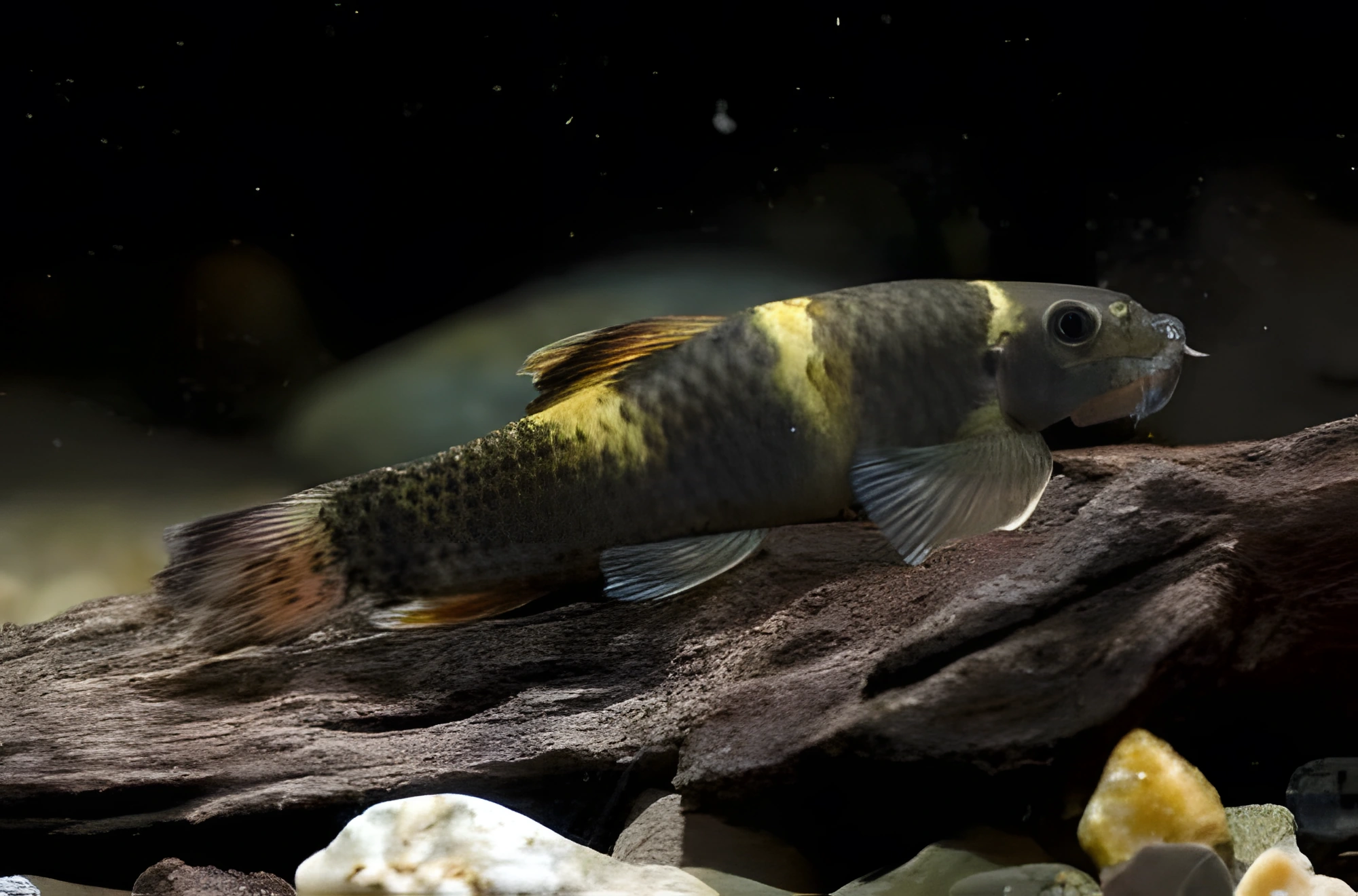
Adult Panda Garras can reach 7–9 cm in length. Their coloration includes dark tones with three rows of yellow vertical stripes bordering the body. Their belly is light. The dorsal and caudal fins often have red hues and are adorned with a dotted black pattern. Sexual dimorphism is weakly expressed: males are slightly more slender, and during the breeding season, small dermal tubercles can be observed on their heads.
Habitat
The natural habitat of this species is in Southeast Asia, in modern-day Myanmar. It is believed that the Panda Garra exclusively inhabits Rakhine State, located on the country's western coast. Fish of this species inhabit numerous small rivers originating in the Rakhine Mountain Range and flowing into the Bay of Bengal. They are typically found in shallow streams (about 30 cm deep) where the water is clean and clear, and the bottom consists of stones and boulders. Aquatic vegetation is usually absent in such biotopes.
Behavior and Compatibility
These fish feel comfortable in groups of 3–4 individuals. Keeping them alone can lead to aggression. They are not overly friendly towards closely related species and other bottom-dwelling fish, such as catfish. For tank mates, it is preferable to choose fish of comparable size that inhabit the mid-water column or the surface.
Care and Maintenance
For keeping a group of 3–4 fish, the optimal aquarium volume starts from 80 liters. It is desirable to recreate conditions reminiscent of a mountain riverbed with a stony substrate. Large boulders, gravel, and driftwood can serve as the basis for decor. Hardy plants such as Anubias, Bolbitis, and Java moss will fit well into such an environment. Bright lighting promotes the growth of algae on stones and driftwood, which will serve as an additional food source for the fish. Since these fish originate from flowing waters, they are very sensitive to water quality. Therefore, for the Rainbow Garra, it is extremely important to provide exceptionally clean, oxygen-rich water. A productive filtration system and regular aquarium maintenance, including the removal of organic waste, contribute to this. An internal filter can create the necessary internal current, which is very beneficial for the Panda Garra.
Diet
In their natural environment, these fish feed on algae growing on the surface of stones. This fact often leads to the misconception that the Panda Garra is exclusively herbivorous, as can be found in many publications. However, in addition to plant food, they also actively consume various invertebrates living among the algae. Therefore, it is important that their daily diet is varied. It should include dry sinking foods such as flakes, granules, tablets, as well as pieces of green vegetables. Live or frozen foods, such as brine shrimp, bloodworms, and daphnia, are also an excellent supplement.
Breeding and Reproduction
Under suitable conditions, breeding is possible even in a community tank. Increased feeding with high-protein food serves as a stimulus for spawning. Spawning usually occurs at dawn, when the fish lay their eggs near the substrate. Egg incubation lasts from 24 to 30 hours. After hatching, the fry feed on the remnants of their yolk sac for two days, and only then begin to actively search for food. Parental instincts are not developed in these fish, and adults are prone to eating their own offspring.
Diseases
The main cause of most diseases in these fish is prolonged exposure to unsuitable keeping conditions and inadequate nutrition. If you notice changes in the fish's appearance or behavior, the first step should be to check the water parameters for high concentrations of nitrogen cycle products, organic pollutants, and other deviations. More detailed information on symptoms and treatment methods can be found in the "Aquarium Fish Diseases" section.
How to choose
When choosing a Rainbow Garra, pay attention to the fish's activity: healthy individuals should be mobile and constantly explore the surfaces of stones or aquarium walls using their oral sucker. Avoid specimens with sunken bellies, damaged fins, or signs of film on the body. It is important to consider that fish of this species are often stressed during transportation, so preference should be given to individuals with clear, bright stripe patterns and no signs of lethargy. Since garra are a schooling species, it is recommended to acquire a group of 3–4 individuals immediately to reduce aggression and adaptation stress in the new aquarium.
Frequently asked questions
The essentials: size, tank volume, water parameters and care
How big does Rainbow Garra get?
An adult reaches 7–9 cm in length. Plan the tank around the maximum size: the fish quickly outgrows a cramped setup.
What size aquarium does Rainbow Garra need?
The minimum recommended volume is 80 L. A smaller tank speeds up nitrate build-up and raises stress levels.
What water parameters does Rainbow Garra need?
Temperature 22–27 °C, pH 6.5–7.5, hardness 2–12 dGH. Stability matters more than exact values: sudden swings are harder on the fish than a small deviation from the ideal.
How long does Rainbow Garra live?
Around 6 years when kept properly. Lifespan depends directly on tank volume, water quality and a varied diet.
Is Rainbow Garra aggressive?
Temperament: semi-peaceful (including aggression during spawning / intraspecific conflicts). Keep this in mind when choosing tank mates.
How many Rainbow Garra should be kept together?
Recommended setup: small group (3–4 individuals). Ignoring this is a common cause of stress and disease.
What does Rainbow Garra eat?
Diet type: plant-based (algae, vegetables). Feed small portions that are finished within a couple of minutes — overfeeding does more harm than underfeeding.
What is the scientific name of Rainbow Garra?
The scientific name of the species is Garra flavatra, family Cyprinids (Cyprinidae).