Temperature23 – 28 °C
Natural range
- Indonesia area
- Sulawesi area
- Western Indonesia area
- Malaysia area
LoachesConservation status: Vulnerable VU
Acantopsis octoactinotos, or the Long-nosed Loach, belongs to the family Cobitidae. This species is native to Southeast Asia, where it is found in the river systems of Western Indonesia and on the island of Sulawesi.
- Required aquarium volume
- 100 L
- Size in aquarium
- 10 cm
- Temperature
- 23 – 28 °C
- Temperament
- Peaceful (regular)
Parameters
Water pHSlightly acidic (6) – Neutral (7.5)
Water dHSoft (5) – Hard (12)
Water salinityno salt (freshwater)
Size in aquarium10 cm
Lifespan8 years
TemperamentPeaceful (regular)
Toward small fishnot a predator
Required aquarium volume100 L
Lightingdimmed
Substratesandy (regular, light)
Water flowweak
FeedingSinking (any)
CareSmall group (5–6 individuals)
Description
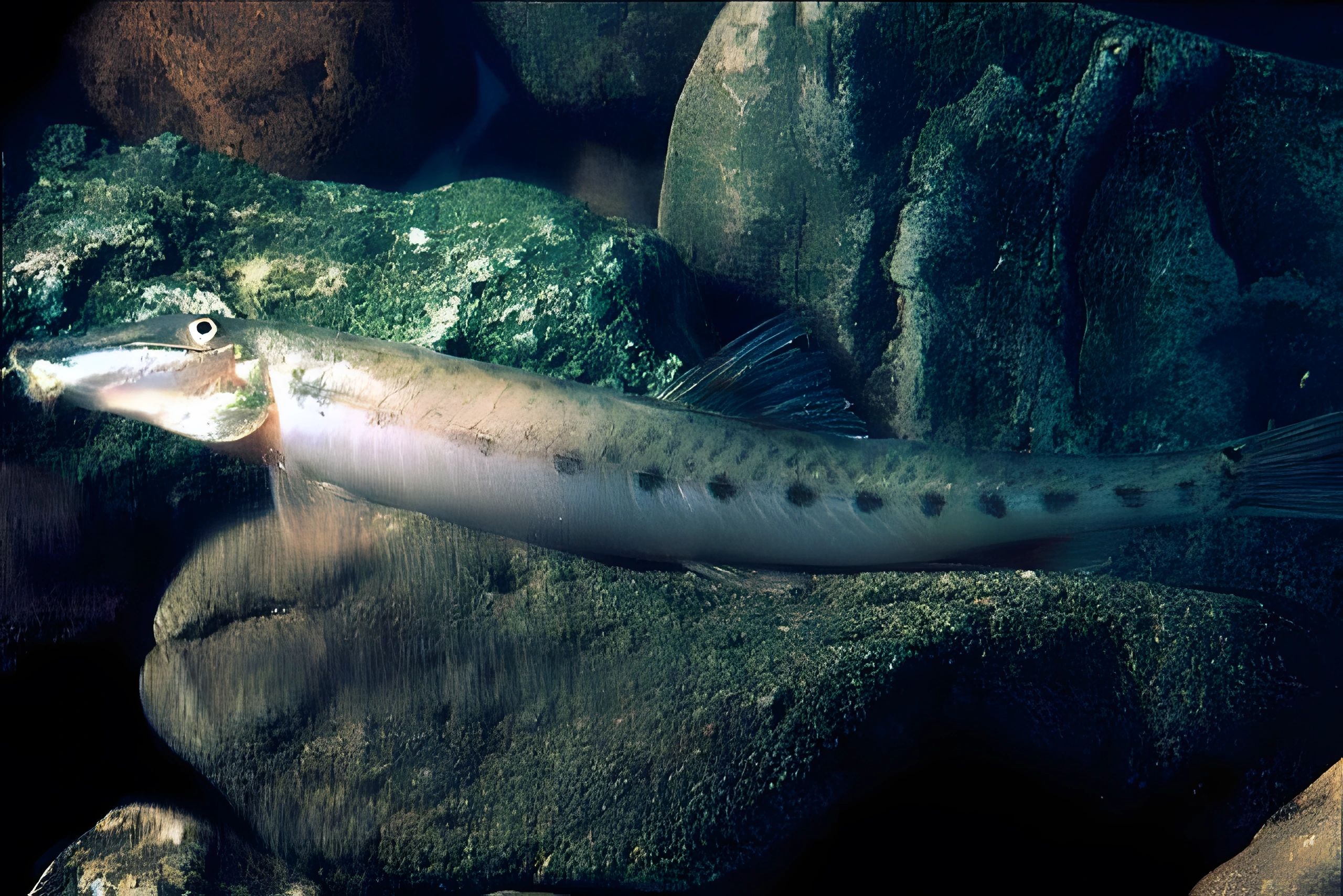
The appearance of the Long-nosed Loach resembles its close relatives – the Horseface Loach and Acantopsis molobrion. Adults reach about 10 cm in length, with an elongated body and a large, elongated head with relatively high-set eyes. The fish's fins are short. The coloration is predominantly gray, with a silvery belly; a characteristic feature is a row of black dots running along the lateral line, as well as a pattern of dark speckles on the back. Sexual dimorphism is weakly expressed, making sex determination difficult. The only exception is males, which are typically slightly smaller and more slender.
Habitat
The Long-nosed Loach inhabits freshwater bodies in Indonesia and, according to some data, Malaysia. In nature, this species populates flowing riverbeds with sandy, silty, or fine gravel bottoms. The fish prefer areas with clear water and moderate current, sometimes migrating into temporarily flooded zones during the rainy season.
Behavior and Compatibility
A distinctive feature of this fish is its peaceful and calm disposition; it can sometimes be timid. In case of danger, the Long-nosed Loach immediately seeks cover, often burying itself in sandy substrate. The fish becomes most active in the evening hours. It coexists well with its own kind and with many other non-aggressive species of comparable size. When choosing tank mates, it is recommended to opt for fish that prefer to inhabit the water column or surface.
Care and Maintenance
The optimal aquarium volume for a group of 3–4 individuals starts from 100–120 liters. In aquarium design, a soft substrate is important and should be placed in at least one area of the bottom. The root systems of rooted plants may be damaged or uprooted by the Long-nosed Loach, as it actively digs in the substrate. For such plants, it is recommended to use special pots embedded in the substrate. Plants that can attach to hard surfaces, such as Anubias, Bucephalandra, various types of aquatic mosses, and ferns, are also suitable. This species will be an excellent choice for a tropical aquarium, as it is considered undemanding, hardy, and easy to keep, preferring soft, slightly acidic water.
Diet
The Long-nosed Loach is omnivorous, so its daily diet can consist of a variety of popular dry sinking foods, such as flakes and pellets.
Breeding and Reproduction
Based on available sources, a separate block cannot be compiled: the data is insufficient or contradictory. The entry can be updated later when verified information becomes available.
Diseases
The species is sensitive to water quality, making it susceptible to bacterial and parasitic infections if husbandry conditions are not met. The most common diseases are those affecting the skin and fins, such as ich (Ichthyophthirius multifiliis) or bacterial necrosis. Prevention includes maintaining stable environmental parameters, effective filtration, and regular water changes.
How to choose
When selecting individuals, attention should be paid to the condition of the skin: there should be no spots, ulcers, or visible damage on the body. A healthy fish is active but may be timid. It is important to ensure that the fish shows no signs of emaciation and that its breathing is even. Avoid purchasing individuals that appear lethargic or show signs of fin damage, as they may be weakened by stress or poor transport conditions.
Frequently asked questions
The essentials: size, tank volume, water parameters and care
How big does Long-nosed Loach get?
An adult reaches 10 cm in length. Plan the tank around the maximum size: the fish quickly outgrows a cramped setup.
What size aquarium does Long-nosed Loach need?
The minimum recommended volume is 100 L. A smaller tank speeds up nitrate build-up and raises stress levels.
What water parameters does Long-nosed Loach need?
Temperature 23–28 °C, pH 6–7.5, hardness 5–12 dGH. Stability matters more than exact values: sudden swings are harder on the fish than a small deviation from the ideal.
How long does Long-nosed Loach live?
Around 8 years when kept properly. Lifespan depends directly on tank volume, water quality and a varied diet.
Is Long-nosed Loach aggressive?
Temperament: peaceful (regular). Keep this in mind when choosing tank mates.
How many Long-nosed Loach should be kept together?
Recommended setup: small group (5–6 individuals). Ignoring this is a common cause of stress and disease.
What does Long-nosed Loach eat?
Diet type: sinking (any). Feed small portions that are finished within a couple of minutes — overfeeding does more harm than underfeeding.
What is the scientific name of Long-nosed Loach?
The scientific name of the species is Acantopsis octoactinotos, family Cobitidae (Loaches).