Temperature22 – 28 °C
Natural range
- Amazonas area
- Brazil area
CatfishConservation status: Least concern LC
Other scientific names: Balroglanis macracanthus
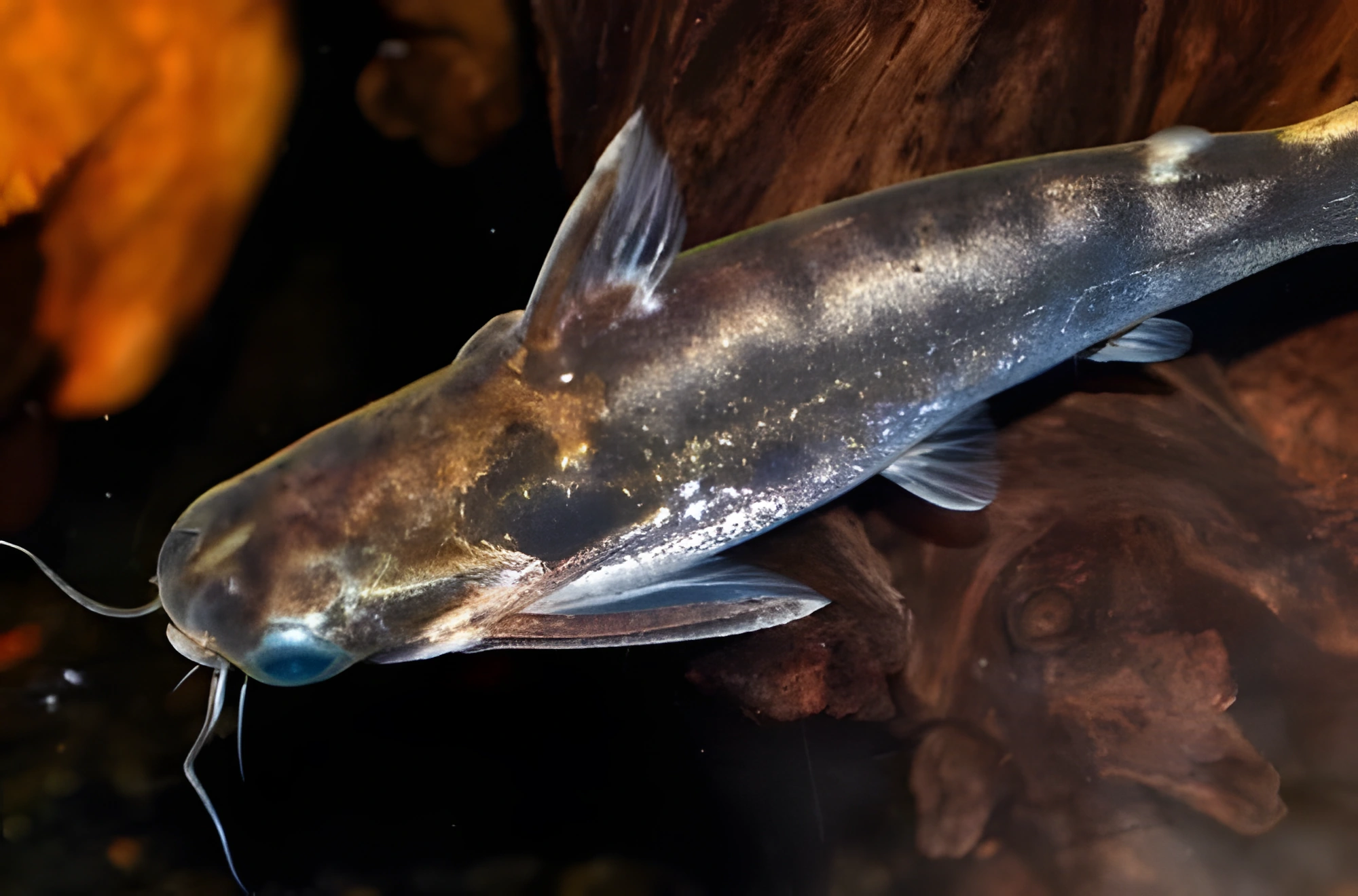
Centromochlus (Centromochlus macracanthus) is a representative of the Auchenipteridae family that is not frequently encountered in the aquarium hobby. This may be due to its modest appearance and predominantly nocturnal lifestyle. However, it is worth noting its undemanding nature in terms of care.
- Required aquarium volume
- 100 L
- Size in aquarium
- 7 cm
- Temperature
- 22 – 28 °C
- Temperament
- Peaceful (regular)
Parameters
Water pHAcidic (4) – Neutral (7)
Water dHVery soft (1) – Medium hardness (10)
Water salinityno salt (freshwater)
Size in aquarium7 cm
Lifespan7 years
TemperamentPeaceful (regular)
Toward small fishnot a predator
Required aquarium volume100 L
Lightingdimmed
Substraterocky (rock formations, boulders, etc.)
Water flowweak
FeedingAny (universal)
CareBoth solitary and in group (flexible)
Description
Adults reach approximately 7 cm in length. The fish's body has a characteristic torpedo shape, ending in a rounded head. An interesting feature is that, unlike many other catfish, Centromochlus relies more on vision than on tactile sensing with its barbels; its eyes appear quite large in proportion to its body size. The skin is soft and smooth. The only defense, besides its ability to hide, is sharp spines, which are modified first rays of the fins. The coloration is usually inconspicuous, gray with dark spots, and the belly has a light shade. Sexual dimorphism in this species is weakly expressed, and there are practically no obvious external differences between males and females.
Habitat
This species originates from the upper basin of the Rio Negro, located in the Brazilian state of Amazonas in South America. Preferred habitats include sections of rivers with calm currents, as well as floodplain lakes and backwaters, where the catfish finds refuge among an abundance of snags on the bottom. The water in these areas is usually dark due to a significant content of dissolved tannins, which are formed during the decomposition of plant organic matter, but it maintains sufficient clarity.
Behavior and Compatibility
This fish is peaceful and quite timid; if danger arises, it will immediately hide in its shelter. When choosing tank mates, it is advisable to opt for species similar in size and temperament. Centromochlus can be kept either alone or in a group of conspecifics. Intraspecific conflicts are not observed, although competition for comfortable spots on the bottom may occur in limited spaces.
Care and Maintenance
For a group of 3–4 individuals, the optimal aquarium volume starts from 100 liters. Keeping Centromochlus will not be difficult provided that proper water quality is maintained within acceptable temperature ranges and pH/dGH values, and that a suitable habitat with plenty of hiding places is created. It is not necessary to specifically adjust the lighting to make it dim, as Centromochlus prefers to spend the daylight hours in secluded spots. Otherwise, the aquarium decor can be arbitrary, chosen at the discretion of the aquarist or considering the needs of other inhabitants. Reliable equipment operation and its correct selection, along with regular maintenance procedures, will significantly influence the stability of the entire aquarium ecosystem.
Diet
This species is omnivorous and readily accepts most common foods of appropriate size – both dry, frozen, or live. The catfish can feed not only at the bottom but also throughout the water column. Young individuals should be offered food after the lights are turned off. It has been noted that after an acclimatization period, these fish may appear for feeding even during daylight hours.
Breeding and Reproduction
At the time of publication of this material, there is insufficient information on the successful breeding of these catfish in aquarium conditions, which is largely explained by their limited distribution among hobbyists. It is assumed that, like all representatives of the Auchenipteridae family (Wood Catfishes), they possess the ability for internal fertilization. The female can store male sperm for a long time separately from unfertilized eggs. Spawning occurs when the external environment becomes favorable for the development of offspring.
Diseases
Most health problems in fish often arise from unsuitable keeping conditions. Maintaining a stable and comfortable habitat is a key factor for successful keeping. If symptoms of illness appear, the first step is to check the water quality. If deviations are found, it is important to take immediate measures to eliminate them. If the symptoms do not disappear or worsen, medicinal treatment may be required. More detailed information on symptoms and treatment methods can be found in the "Diseases of Aquarium Fish" section.
How to choose
When selecting individuals, attention should be paid to the cleanliness of the skin: the absence of white spots, ulcers, film, or fin damage is a mandatory condition for health. A healthy fish should show activity during twilight hours, and during daylight hours, it should calmly rest on the bottom or in hiding places. It is important to avoid specimens with severely sunken bellies, which may indicate emaciation or the presence of parasites, as well as individuals that constantly swim near the water surface, which often indicates breathing problems or poor water quality in the aquarium. Before purchasing, it is recommended to inquire with the seller about the fish's diet, as adaptation to dry foods may require time.
Frequently asked questions
The essentials: size, tank volume, water parameters and care
How big does Centromochlus get?
An adult reaches 7 cm in length. Plan the tank around the maximum size: the fish quickly outgrows a cramped setup.
What size aquarium does Centromochlus need?
The minimum recommended volume is 100 L. A smaller tank speeds up nitrate build-up and raises stress levels.
What water parameters does Centromochlus need?
Temperature 22–28 °C, pH 4–7, hardness 1–10 dGH. Stability matters more than exact values: sudden swings are harder on the fish than a small deviation from the ideal.
How long does Centromochlus live?
Around 7 years when kept properly. Lifespan depends directly on tank volume, water quality and a varied diet.
Is Centromochlus aggressive?
Temperament: peaceful (regular). Keep this in mind when choosing tank mates.
How many Centromochlus should be kept together?
Recommended setup: both solitary and in group (flexible). Ignoring this is a common cause of stress and disease.
What does Centromochlus eat?
Diet type: any (universal). Feed small portions that are finished within a couple of minutes — overfeeding does more harm than underfeeding.
What is the scientific name of Centromochlus?
The scientific name of the species is Centromochlus macracanthus, family Driftwood Catfishes (Auchenipteridae). It also appears in the literature as: Balroglanis macracanthus.