Temperature24 – 26 °C
Natural range
- South America area
CatfishConservation status: Least concern LC
Other scientific names: Pimelodella marthae, Rhamdia marthae
Brachyrhamdia marthae, known as Martha's Brachyrhamdia, belongs to the family Heptapteridae (Heptapterid catfishes). Its homeland is the waters of South America, specifically the Madeira River basin, which is one of the tributaries of the Amazon.
- Required aquarium volume
- 120 L
- Size in aquarium
- 7 – 8 cm
- Temperature
- 24 – 26 °C
- Temperament
- Semi-peaceful (including aggression during spawning / intraspecific conflicts)
Parameters
Water pHSlightly acidic (6) – Neutral (7)
Water dHVery soft (1) – Soft (5)
Water salinityno salt (freshwater)
Size in aquarium7 – 8 cm
Lifespan5 years
TemperamentSemi-peaceful (including aggression during spawning / intraspecific conflicts)
Toward small fishnot a predator
Required aquarium volume120 L
Lightingdimmed
Substraterocky (rock formations, boulders, etc.)
Water flownone or stagnant (no flow)
FeedingSinking (any)
CareBoth solitary and in group (flexible)
Description
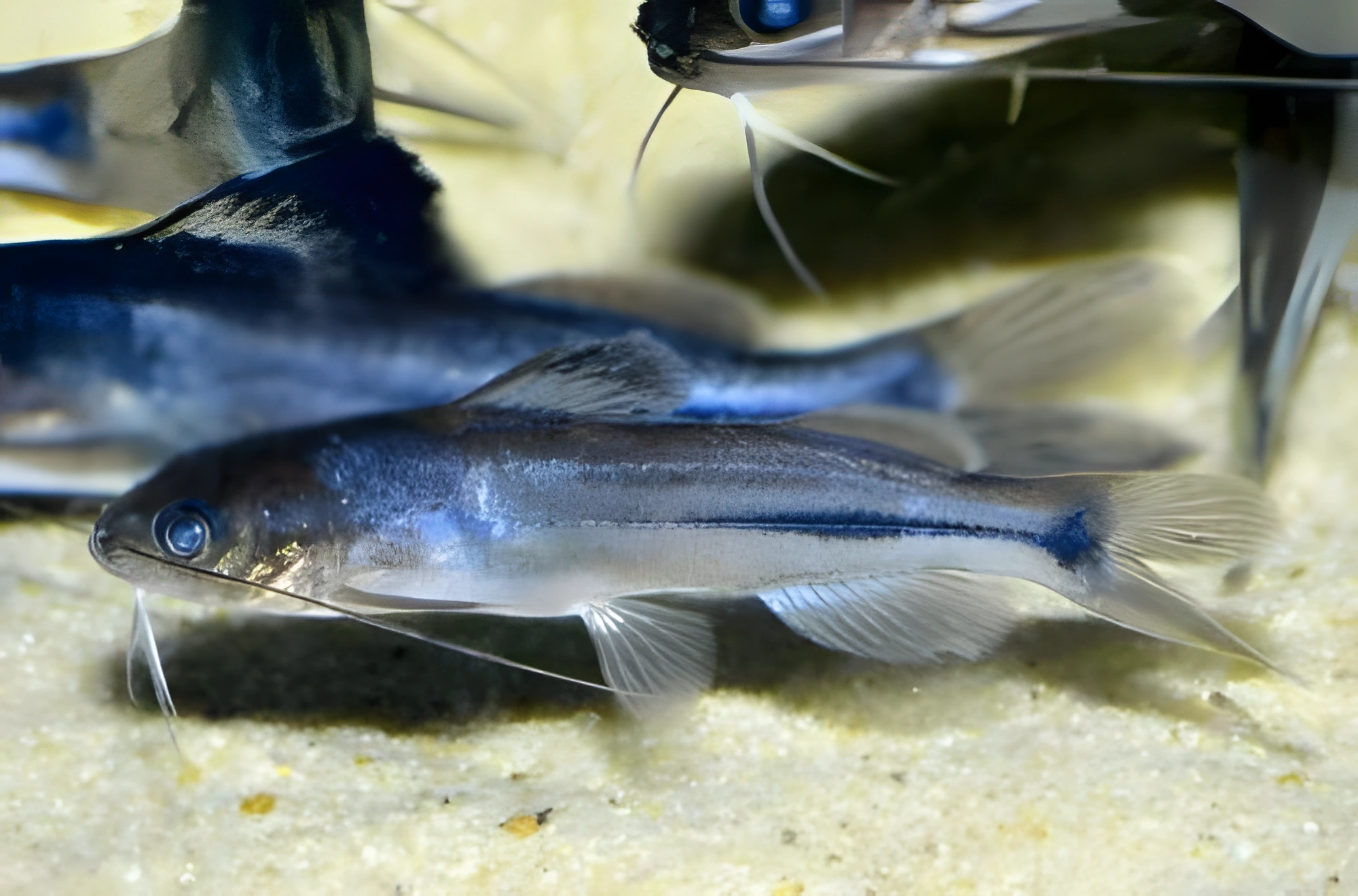
This species grows up to 7–8 cm in length. A distinctive feature of the fish is its elongated body, large fins, and forked tail. Thin, long barbels can be seen near its mouth. The coloration of adult specimens is subdued, predominantly gray and dark tones. Young catfishes appear lighter, their integuments are translucent, which can make them seem pinkish.
Habitat
The species inhabits South America, primarily in the basins of the Juruá, Mamoré, and Madeira rivers. It is a freshwater demersal fish, preferring the bottom layers of the water. In its natural habitat, water parameters are characterized by a tropical temperature regime of 24 to 26 degrees Celsius and a slightly acidic environment with a pH level in the range of 6.0–7.0.
Behavior and Compatibility
This species is generally considered peaceful. However, if the aquarium volume is insufficient, the fish may exhibit territorial behavior, competing with conspecifics for bottom areas. Similar rivalry is possible with other bottom-dwelling species. When choosing tank mates, it is recommended to prefer non-aggressive fish of comparable size that inhabit the middle and upper water layers. It is important to remember that fry and small fish that can fit into the mouth of Brachyrhamdia marthae may be eaten.
Care and Maintenance
For a group of 3–4 catfishes, an aquarium of 120–130 liters will be optimal. In the aquarium's setup, key attention is paid to the bottom design. It is desirable to alternate open substrate areas with zones providing shelters. Both natural elements, such as snags, and artificial decorations are suitable as shelters. The use of gravelly, stony substrates is preferred. Lighting should be kept subdued, which can be achieved, among other things, by using floating plants for natural shading. Other decor elements are chosen at the discretion of the aquarist or according to the needs of other inhabitants. Brachyrhamdia marthae does not have high demands for keeping conditions and adapts well to various environments. Comfortable conditions for it include a temperature of 24–26°C and the following water parameters: pH 6.0–7.0, hardness up to 15 dH.
Diet
The catfish readily accepts most foods intended for aquarium fish. However, since its satiety instinct is poorly developed, there is a risk of overfeeding.
Breeding and Reproduction
Based on available sources, a separate block cannot be compiled: the data is insufficient or contradictory. The entry can be updated later when verified information becomes available.
Diseases
Based on available sources, a separate block cannot be compiled: the data is insufficient or contradictory. The entry can be updated later when verified information becomes available.
How to choose
When selecting individuals in a store, attention should be paid to the following signs:
- fish activity and the absence of visible skin damage, such as ulcers, plaque, or hemorrhages
- clean fins, which should not show signs of erosion or white spots
- normal behavior, where the fish does not show signs of emaciation and actively responds to external stimuli
- absence of stress signs, expressed in unnatural coloration or prolonged hovering near the water surface
Frequently asked questions
The essentials: size, tank volume, water parameters and care
How big does Brachyrhamdia marthae get?
An adult reaches 7–8 cm in length. Plan the tank around the maximum size: the fish quickly outgrows a cramped setup.
What size aquarium does Brachyrhamdia marthae need?
The minimum recommended volume is 120 L. A smaller tank speeds up nitrate build-up and raises stress levels.
What water parameters does Brachyrhamdia marthae need?
Temperature 24–26 °C, pH 6–7, hardness 1–5 dGH. Stability matters more than exact values: sudden swings are harder on the fish than a small deviation from the ideal.
How long does Brachyrhamdia marthae live?
Around 5 years when kept properly. Lifespan depends directly on tank volume, water quality and a varied diet.
Is Brachyrhamdia marthae aggressive?
Temperament: semi-peaceful (including aggression during spawning / intraspecific conflicts). Keep this in mind when choosing tank mates.
How many Brachyrhamdia marthae should be kept together?
Recommended setup: both solitary and in group (flexible). Ignoring this is a common cause of stress and disease.
What does Brachyrhamdia marthae eat?
Diet type: sinking (any). Feed small portions that are finished within a couple of minutes — overfeeding does more harm than underfeeding.
What is the scientific name of Brachyrhamdia marthae?
The scientific name of the species is Brachyrhamdia marthae, family Heptapterid catfishes (Heptapteridae). It also appears in the literature as: Pimelodella marthae, Rhamdia marthae.