Temperature22 – 30 °C
Natural range
- Western Thailand area
- Southern Myanmar area
LoachesConservation status: Near threatened NT
Other scientific names: Botia beauforti, Botia lucas-bahi, Botia yunnanensis
The Chameleon Loach, officially known by its scientific name Syncrossus beauforti, belongs to the family Cobitidae. This species can be unfriendly towards other aquarium inhabitants, which sometimes complicates the selection of suitable tank mates. Despite this, the fish is generally undemanding and does not create special difficulties in care. With a careful and thorough approach, it can become a wonderful addition to a community of tropical fish.
- Required aquarium volume
- 250 L
- Size in aquarium
- 16 – 18 cm
- Temperature
- 22 – 30 °C
- Temperament
- Aggressive / incompatible / unfriendly
Parameters
Water pHSlightly acidic (6) – Neutral (7.5)
Water dHVery soft (2) – Hard (12)
Water salinityno salt (freshwater)
Size in aquarium16 – 18 cm
Lifespan8 years
TemperamentAggressive / incompatible / unfriendly
Toward small fishnot a predator
Required aquarium volume250 L
Lightingdimmed
Substraterocky (rock formations, boulders, etc.)
Water flowmoderate
FeedingSinking (any)
CareSmall group (5–6 individuals)
Description
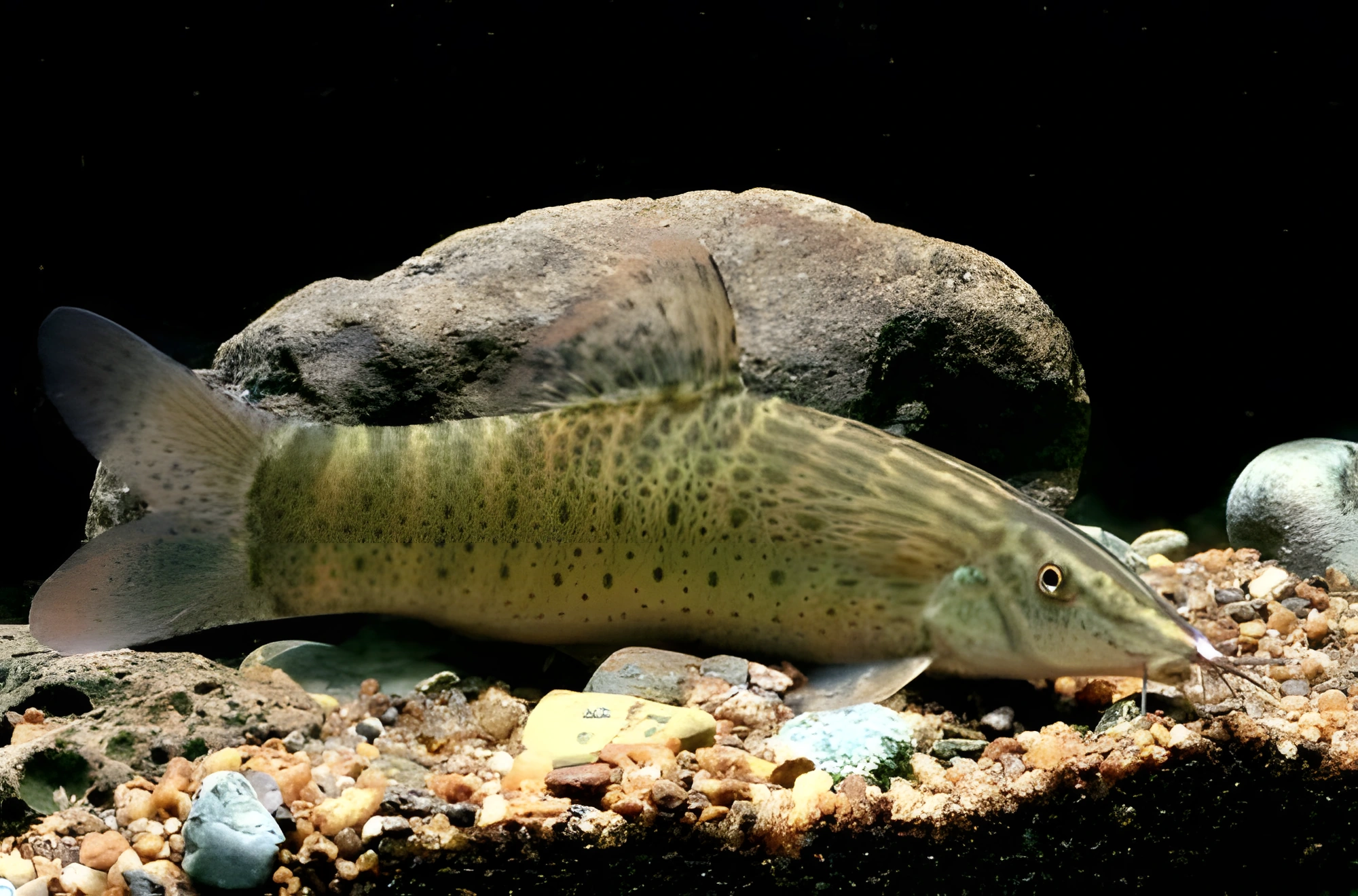
Adults grow to approximately 16–18 cm in length. Sexual dimorphism is weakly expressed; females appear slightly larger than males, but reliably distinguishing them, especially in a mixed group, is quite difficult. The coloration varies from grey-green to swampy. The body pattern consists of dark speckles and distinct horizontal stripes that extend from the head to the dorsal fin.
Habitat
The origin of this fish is associated with Southeast Asia, where it can be found in peninsular territories, in western Thailand, and in southern Burma. Their habitat is typically the upper reaches of rivers, shaded areas with slow currents. Their natural living conditions are characterized by particularly clean water, sandy-stony bottoms, and an abundance of snags and fallen leaves.
Behavior and Compatibility
Keeping these fish is suggested in a group consisting of at least 5 individuals; a group of 10 or more is considered ideal. A strict hierarchy is observed within the group, but conflicts between them are uncharacteristic. Regarding interaction with other species, the Chameleon Loach can show aggression towards smaller tank mates and also compete with other bottom dwellers for territory. It is advisable to avoid cohabitation with ornamental fish that have long fins. Suitable tank mates would be hardy species of comparable size that inhabit the water column or surface.
Care and Maintenance
For a group of 5 individuals, an aquarium of at least 250 liters is recommended. The aquascape can be anything, but it must include shelters created from snags or piles of stones forming crevices and grottoes. Live shade-loving plants are especially welcome. Optimal conditions are achieved with dim lighting, moderate current, and maintaining high water quality. A powerful filtration system, along with weekly water changes of 30–35% of the volume with fresh water, will help prevent the accumulation of organic waste that can negatively affect the fish's health.
Diet
This species is omnivorous and readily accepts almost any aquarium food. It is important that the food is sinking and contains vegetable additives, otherwise, the Chameleon Loach may start biting off parts of aquatic plants. It is recommended to include frozen bloodworms, Artemia, or finely chopped pieces of earthworms and mollusks in their diet several times a week.
Breeding and Reproduction
Due to the difficulties associated with natural migrations for reproduction in the wild, breeding this loach species in aquarium conditions is very challenging. In commercial aquaculture, hormonal injections are often used to stimulate spawning.
Diseases
Health problems in these fish arise only in the presence of injuries or keeping in unsuitable conditions, which leads to a weakening of the immune system and the subsequent occurrence of various diseases. At the first signs of illness, it is necessary first to check the water parameters for exceeding permissible values or the presence of toxic substances (such as nitrites, nitrates, ammonia). If deviations are found, all indicators should be normalized, and then treatment should begin. More detailed information on symptoms and treatment methods is available in the "Diseases of Aquarium Fish" section.
How to choose
When choosing a Chameleon Loach, preference should be given to individuals with active behavior, who show curiosity and move quickly along the bottom. Avoid fish with signs of lethargy, damaged fins, sunken bellies, or unnatural spots on the body, as these may indicate illness or stress after transport. It is important to inspect the condition of the barbels: they should be intact, without signs of erosion, which indicates proper keeping conditions in the store.
Since this species is territorial and prone to intraspecific aggression, it is recommended to purchase a group of 5 or more individuals at once. This helps distribute hierarchical pressure within the school and reduces stress levels in individual fish. When purchasing, clarify what the fish are fed in the store to ensure a smooth transition to their diet in the new aquarium. Given the presence of a suborbital spine, it is best to use plastic containers or special vessels for catching them to avoid the fish getting tangled in a net.
Frequently asked questions
The essentials: size, tank volume, water parameters and care
How big does Chameleon Loach get?
An adult reaches 16–18 cm in length. Plan the tank around the maximum size: the fish quickly outgrows a cramped setup.
What size aquarium does Chameleon Loach need?
The minimum recommended volume is 250 L. A smaller tank speeds up nitrate build-up and raises stress levels.
What water parameters does Chameleon Loach need?
Temperature 22–30 °C, pH 6–7.5, hardness 2–12 dGH. Stability matters more than exact values: sudden swings are harder on the fish than a small deviation from the ideal.
How long does Chameleon Loach live?
Around 8 years when kept properly. Lifespan depends directly on tank volume, water quality and a varied diet.
Is Chameleon Loach aggressive?
Temperament: aggressive / incompatible / unfriendly. Keep this in mind when choosing tank mates.
How many Chameleon Loach should be kept together?
Recommended setup: small group (5–6 individuals). Ignoring this is a common cause of stress and disease.
What does Chameleon Loach eat?
Diet type: sinking (any). Feed small portions that are finished within a couple of minutes — overfeeding does more harm than underfeeding.
What is the scientific name of Chameleon Loach?
The scientific name of the species is Syncrossus beauforti, family Loaches (Cobitidae). It also appears in the literature as: Botia beauforti, Botia lucas-bahi, Botia yunnanensis.