Temperature24 – 28 °C
Natural range
- Orinoco River tributaries
- Brazil area
Predators CharacinsConservation status: Least concern LC
Other scientific names: Hydropardus rapax, Raphiodon vulpinus, Rhaphiodontichthys vulpinus, Salmo tamuco
The fish known as the Biara, or Chaparrin, with the scientific name Rhaphiodon vulpinus, belongs to the family Cynodontidae. This large predator is not suitable for beginner aquarists. It requires a very spacious aquarium, the maintenance of which, incidentally, involves significant financial costs.
- Required aquarium volume
- 1000 L
- Size in aquarium
- 30 cm
- Temperature
- 24 – 28 °C
- Temperament
- Predator (dangerous to small, incompatible)
Parameters
Water pHSlightly acidic (6) – Slightly alkaline (8)
Water dHVery soft (2) – Hard (15)
Water salinityno salt (freshwater)
Size in aquarium30 cm
Lifespan10 years
TemperamentPredator (dangerous to small, incompatible)
Toward small fishpredator
Required aquarium volume1000 L
Lightingmoderate (regular)
Substraterocky (rock formations, boulders, etc.)
Water flowweak or moderate
FeedingFor carnivores (live fish, insects, etc.)
CareBoth solitary and in group (flexible)
Description
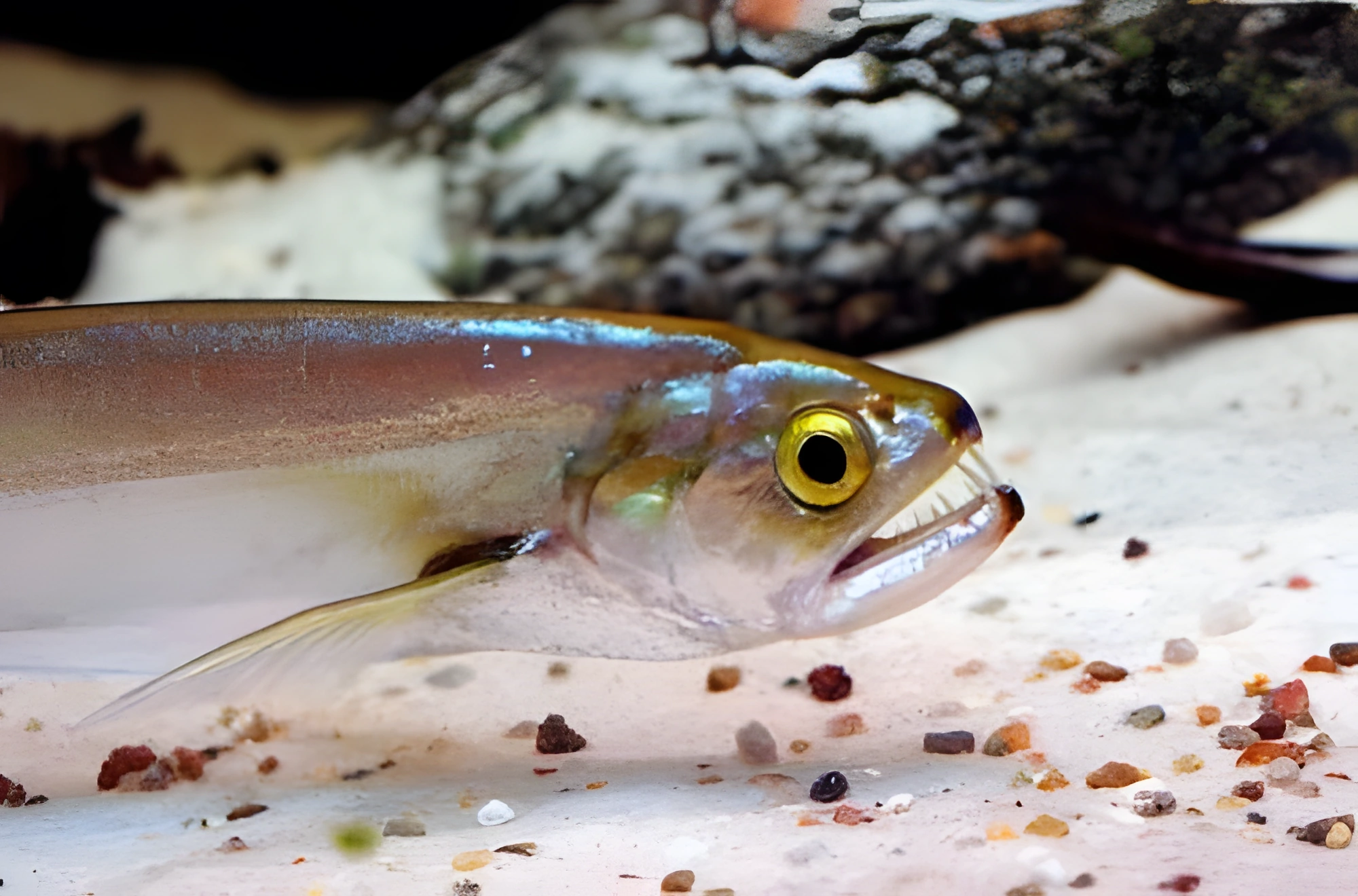
Adult specimens of this fish can grow to an impressive size of 60–80 cm in length. Their appearance clearly demonstrates predatory features: a slender and elongated body, a massive head with an enormous mouth filled with long, sharp teeth. The short dorsal and anal fins are shifted towards the caudal part, while the large, wing-like pelvic fins allow the fish to instantly accelerate to catch prey. The coloration is usually silvery, with a grayish back.
Habitat
Its natural habitat is in South America, primarily in the Amazon River basin in Brazil. However, some populations have also been found in tributaries of the Orinoco River. These fish are found everywhere: in river channels, flood plain lakes, and flooded areas of tropical forests.
Behavior and Compatibility
It is recommended to keep these fish individually or in small groups. They can also coexist with fish of comparable size, provided they are not perceived by the Biara as potential prey.
Care and Maintenance
For keeping such a large fish, an aquarium of impressive volume is required, no less than 1000 liters, which must be designed to simulate a riverbed. The decor should include a sandy or rocky substrate, as well as snags imitating branches, roots, and tree trunks. Since these fish inhabit flowing waters, they do not tolerate the accumulation of organic waste and require very clean water with a high content of dissolved oxygen. They absolutely cannot be placed in a biologically unstable aquarium. Maintaining stable water conditions depends entirely on the uninterrupted operation of specialized equipment, such as filtration, disinfection, and monitoring systems. The selection, installation, and maintenance of such water purification systems are not inexpensive and require certain experience.
Diet
This predator is carnivorous. Fish caught in the wild and then exported feed exclusively on live fish. At the same time, Biaras raised in artificial conditions usually readily accept pieces of meat or dead fish. It is important to avoid using animal products and poultry meat, as they contain proteins that are poorly digested by these predators.
Breeding and Reproduction
In natural conditions, the breeding season for these fish is seasonal. Spawning occurs from October to February in flooded coastal forest areas when the water level reaches its maximum. In a home aquarium, reproduction typically does not occur.
Diseases
No specific diseases characteristic of this particular fish species have been identified. Most often, diseases manifest due to deteriorating living conditions or feeding with poor-quality or unsuitable products.
How to choose
When choosing a Biara, it should be noted that it is an extremely sensitive predator prone to stress and injury. Inspect the fish for intact skin and fins, as any damage sustained during transport or in a cramped aquarium quickly leads to secondary bacterial infections. Avoid specimens with signs of emaciation, sunken sides, or damage to the snout area, which often occurs from hitting the glass in unsuitable conditions.
- give preference to active individuals that swim in the water column and show no signs of apathy;
- ask the seller what the fish eats: many imported specimens only accept live food, and transitioning to other types of food can be difficult;
- ensure that the water in the fish's aquarium is kept very clean, as Biara are extremely intolerant of organic waste and ammonia accumulation.
Frequently asked questions
The essentials: size, tank volume, water parameters and care
How big does Biara get?
An adult reaches 30 cm in length. Plan the tank around the maximum size: the fish quickly outgrows a cramped setup.
What size aquarium does Biara need?
The minimum recommended volume is 1000 L. A smaller tank speeds up nitrate build-up and raises stress levels.
What water parameters does Biara need?
Temperature 24–28 °C, pH 6–8, hardness 2–15 dGH. Stability matters more than exact values: sudden swings are harder on the fish than a small deviation from the ideal.
How long does Biara live?
Around 10 years when kept properly. Lifespan depends directly on tank volume, water quality and a varied diet.
Is Biara aggressive?
Temperament: predator (dangerous to small, incompatible). This is a predatory species — any fish small enough to fit in its mouth will eventually be eaten.
How many Biara should be kept together?
Recommended setup: both solitary and in group (flexible). Ignoring this is a common cause of stress and disease.
What does Biara eat?
Diet type: for carnivores (live fish, insects, etc.). Feed small portions that are finished within a couple of minutes — overfeeding does more harm than underfeeding.
What is the scientific name of Biara?
The scientific name of the species is Rhaphiodon vulpinus, family Cynodontidae. It also appears in the literature as: Hydropardus rapax, Raphiodon vulpinus, Rhaphiodontichthys vulpinus.