Temperature20 – 26 °C
Natural range
- Western Ghats area
- India area
CyprinidsConservation status: Vulnerable VU
Other scientific names: Puntius setnai
Pethia setnai, known as the Setnai Barb, belongs to the family Cyprinidae. This species of barb was named after the Indian ichthyologist Setna, who was involved in its classification. This fish is easy to keep and breed, and it is highly compatible with other aquarium species of comparable size. Due to these qualities, it is quite suitable for beginner aquarists.
- Required aquarium volume
- 80 L
- Size in aquarium
- 6 cm
- Temperature
- 20 – 26 °C
- Temperament
- Peaceful (regular)
Parameters
Water pHSlightly acidic (6) – Neutral (7.5)
Water dHSoft (4) – Hard (15)
Water salinityno salt (freshwater)
Size in aquarium6 cm
Lifespan4 years
TemperamentPeaceful (regular)
Toward small fishnot a predator
Required aquarium volume80 L
Lightingany
Substraterocky (rock formations, boulders, etc.)
Water flowweak
FeedingAny (universal)
CareGroup (8–10 individuals)
Description
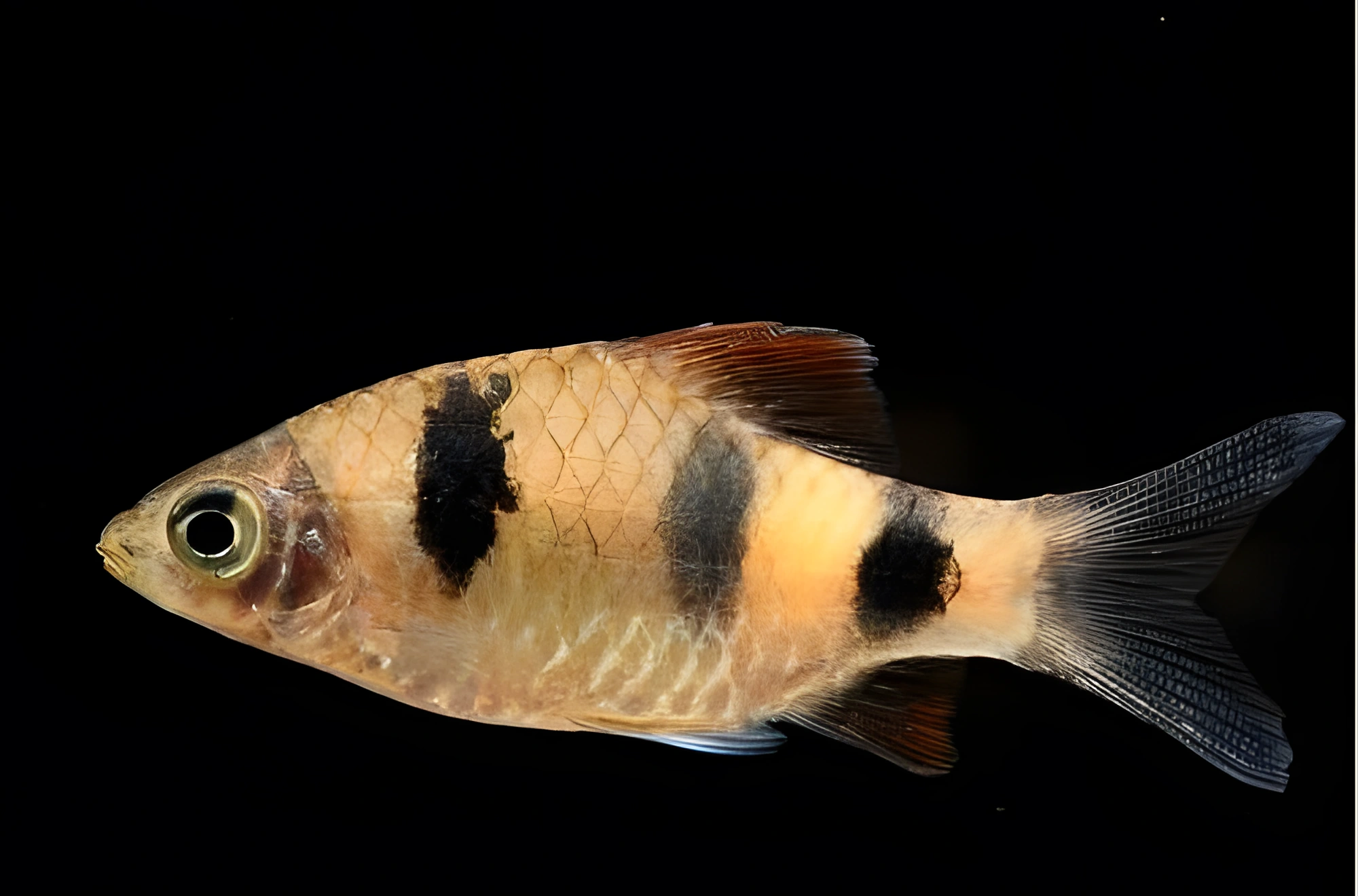
Adults of this species reach approximately 6 cm in length. Their coloration is silvery with slight yellow hues, and their fins are translucent. There are three black dashes on the body, forming a characteristic pattern. Sexual dimorphism is weakly expressed, making the differences between males and females barely noticeable.
Habitat
Its natural habitat is on the Indian subcontinent, within modern India. The fish are found in river systems that originate on the slopes of the Western Ghats mountain range and then flow along the western coast. They prefer mountain streams and small rivers, choosing areas with slow currents or small backwaters. The characteristics of these water bodies, such as depth, flow rate, and turbidity, can vary significantly depending on the season.
Behavior and Compatibility
This active, peaceful fish coexists well with many popular species, such as livebearers, tetras, rainbowfish, and others. It is recommended to keep them in a group of at least 8–10 individuals.
Care and Maintenance
For comfortable keeping of a small group of these fish, the aquarium should have a volume of at least 80 L. The decor can be anything you prefer. However, the Setnai Barb looks particularly harmonious against a sand-gravel substrate, surrounded by boulders of various sizes and natural snags. If desired, artificial or live aquatic plants can be added, with a preference for undemanding species, as well as mosses and ferns. Keeping this species is not difficult and is within the capabilities of even novice aquarists. Standard care procedures include weekly partial water changes, regular cleaning of organic waste, checking and maintaining equipment, and monitoring pH, dGH, and oxidizability values.
Diet
These fish do not have special dietary requirements, accepting most common foods intended for aquarium inhabitants. They can thrive exclusively on dry foods, such as flakes or granules.
Breeding and Reproduction
Under favorable conditions, spawning occurs regularly. During the breeding period, females scatter hundreds of eggs in the water column, which are then fertilized by males. Sinking to the bottom or among plant thickets, the eggs are left without parental care. After 24–48 hours, the incubation period begins, and within a day, the fry start to swim freely. Since these fish lack parental instincts, adults may readily feast on their offspring. For this reason, fry survival in a community tank is extremely low: they not only become food for other fish but also face difficulties in finding adequate nutrition. To save the fry, it is necessary to prepare a separate aquarium with the same water parameters, where the eggs will be transferred after spawning. This spawning tank should be equipped with a simple air-driven sponge filter and a heater. An additional light source is not required; ambient room light is sufficient. Fry are fed with specialized powdered foods and Artemia nauplii.
Diseases
In a balanced aquarium ecosystem, closely matching the requirements of this species, diseases are extremely rare. Illnesses often arise due to deteriorating habitat quality, contact with already sick fish, or physical injuries. If these factors could not be avoided, the “Aquarium Fish Diseases” section will provide detailed information on symptoms and treatment methods.
How to choose
When choosing Setnai Barbs, pay attention to the overall activity of the school in the aquarium: healthy individuals should constantly move, showing curiosity and interaction with each other. Avoid fish that keep to themselves, appear apathetic, or show signs of emaciation, such as a sunken belly. You should also avoid purchasing individuals with damaged fins, film on the body, or unnatural spots, as this may indicate infectious diseases or poor keeping conditions in the store.
- Check for visible parasites on scales and gill covers.
- Ensure that the fish's coloration matches species standards and does not appear pale due to stress.
- Observe feeding: healthy barbs show a good appetite and actively compete for food.
- Prefer individuals from aquariums with clean water, as the species is sensitive to organic pollution.
Frequently asked questions
The essentials: size, tank volume, water parameters and care
How big does Setnai Barb get?
An adult reaches 6 cm in length. Plan the tank around the maximum size: the fish quickly outgrows a cramped setup.
What size aquarium does Setnai Barb need?
The minimum recommended volume is 80 L. A smaller tank speeds up nitrate build-up and raises stress levels.
What water parameters does Setnai Barb need?
Temperature 20–26 °C, pH 6–7.5, hardness 4–15 dGH. Stability matters more than exact values: sudden swings are harder on the fish than a small deviation from the ideal.
How long does Setnai Barb live?
Around 4 years when kept properly. Lifespan depends directly on tank volume, water quality and a varied diet.
Is Setnai Barb aggressive?
Temperament: peaceful (regular). Keep this in mind when choosing tank mates.
How many Setnai Barb should be kept together?
Recommended setup: group (8–10 individuals). Ignoring this is a common cause of stress and disease.
What does Setnai Barb eat?
Diet type: any (universal). Feed small portions that are finished within a couple of minutes — overfeeding does more harm than underfeeding.
What is the scientific name of Setnai Barb?
The scientific name of the species is Pethia setnai, family Cyprinids (Cyprinidae). It also appears in the literature as: Puntius setnai.