Temperature20 – 25 °C
Natural range
- Manipur area
- Myanmar area
LoachesConservation status: Least concern LC
Other scientific names: Cobitis zonalternans, Nemacheilus phuketensis, Nemacheilus zonalternans, Nemachilus zonalternans, Noemacheilus phuketensis, Noemacheilus zonalternans
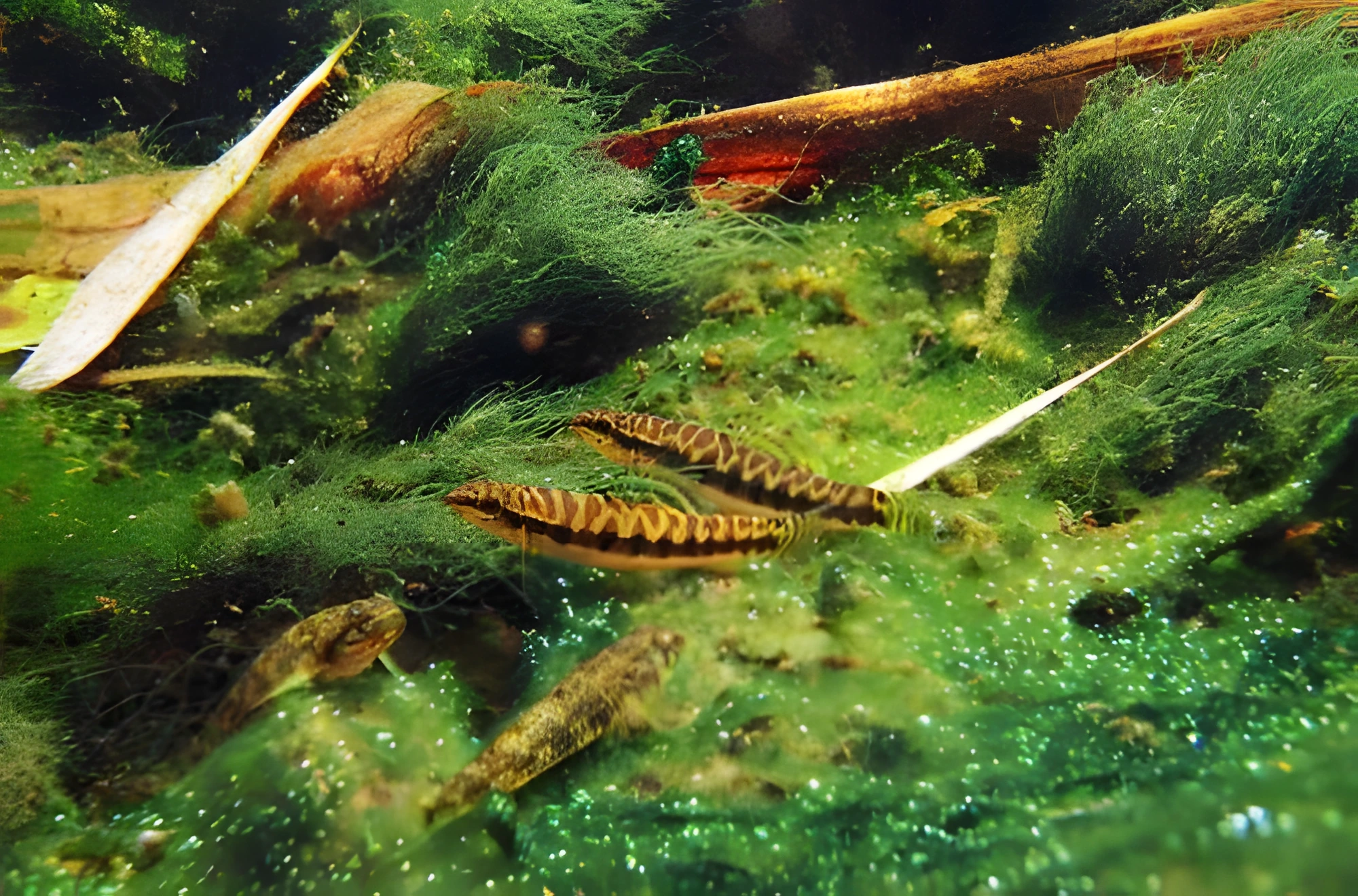
Acanthocobitis zonalternans, scientifically known as Acanthocobitis zonalternans, belongs to the family Nemacheilidae. This peaceful fish, despite the complex pronunciation of its name, is quite popular among aquarists. It coexists well with many tropical fish species, does not require complex care, and its breeding is quite feasible.
- Required aquarium volume
- 50 L
- Size in aquarium
- 6 – 7 cm
- Temperature
- 20 – 25 °C
- Temperament
- Peaceful (regular)
Parameters
Water pHSlightly acidic (6) – Neutral (7.5)
Water dHVery soft (2) – Medium hardness (10)
Water salinityno salt (freshwater)
Size in aquarium6 – 7 cm
Lifespan6 years
TemperamentPeaceful (regular)
Toward small fishnot a predator
Required aquarium volume50 L
Lightingany
Substrateany (no restrictions)
Water flowany
FeedingAny (universal)
CareGroup (8–10 individuals)
Description
Adults of this fish typically reach a length of 7–8 cm. Their body is elongated, and their fins are quite short. Near the mouth are sensitive barbels used for foraging on the bottom. Females are generally slightly larger than males, whose pectoral fins may have a yellowish or reddish tint. The overall coloration of the fish is gray with a dark pattern, which may vary slightly depending on the specific habitat.
Habitat
Its natural habitats are in Southeast Asia, including parts of Eastern India (Manipur state), Burma, western Thailand, and mainland Malaysia. Acanthocobitis are found in a wide variety of biotopes, from small mountain streams to swampy river sections. As a rule, they prefer flowing waters with a gravel bottom and an abundance of snags formed by fallen branches and tree trunks.
Behavior and Compatibility
This fish exhibits a peaceful nature towards other species. Minor skirmishes may be observed among conspecifics, which is part of their normal social interaction and never leads to injury. They are well compatible with many non-aggressive and non-territorial species of comparable size.
Care and Maintenance
For a group of 8–10 fish, an aquarium of at least 50 liters is recommended. The decor can be arbitrary, but it is necessary to provide a sufficient number of shelters. These can include low broad-leaved plants, various snags, as well as crevices and grottoes formed from stones, or other decorative elements. To create a brownish tint in the water, mimicking the natural environment, Indian almond leaves, oak, or beech leaves can be used. Since Acanthocobitis zonalternans inhabits flowing waters, special attention should be paid to water quality. It is important to regularly remove organic waste (food remnants, excrement), weekly replace 30–50% of the water volume with fresh water, and maintain the recommended pH and dGH parameters.
Diet
For feeding in a home aquarium, dry foods such as sinking flakes and granules are suitable. However, it is extremely important to diversify the diet with live or frozen foods, such as daphnia, artemia, or bloodworms.
Breeding and Reproduction
Fish of this species are not typically bred on a commercial scale, and most are still wild-caught. Nevertheless, it is quite possible to obtain offspring from wild-caught Acanthocobitis specimens. Since the fish tend to eat their own eggs and do not exhibit parental care, it is recommended to spawn them in a separate aquarium. To protect the eggs, the bottom is covered with marbles or a fine mesh to make them inaccessible to adult fish. Special decor for the spawning tank is not critical. It is important that the water parameters in it match the conditions of the main aquarium. The minimum equipment set includes a heater, a simple lighting system, and an air-driven sponge filter. During the breeding period, the plumpest females, along with several males, are placed in the spawning tank. Males will compete with each other, so it may be necessary to leave only one and return the others to the main aquarium. After spawning, the adult fish are removed. One female can lay about 300 eggs. The fry hatch the next day. In the first hours, they feed on the remnants of the yolk sac, then switch to microscopic foods such as infusoria and artemia nauplii.
Diseases
Non-ornamental fish species that have retained a close resemblance to their wild relatives usually exhibit high endurance, strong immunity, and resistance to various diseases. The occurrence of health problems most often indicates unsuitable keeping conditions. Therefore, before proceeding with treatment, it is strongly recommended to check the water quality and parameters. Only after all indicators have been brought back to normal should treatment begin, if it is still necessary. Detailed information on diseases, their symptoms, and therapy methods can be found in the “Aquarium Fish Diseases” section.
How to choose
When purchasing, special caution should be exercised, as this species often goes on sale in a state of severe emaciation, which can be difficult to correct. A healthy fish should be active, have a rounded, not sunken, abdomen, and clean skin without visible damage, spots, or signs of fungus. Avoid individuals that appear lethargic, constantly lie on their side, or have an unnaturally thin body.
It is recommended to observe the fish's behavior in the aquarium: they should show curiosity and explore the bottom. If possible, ask the seller to feed the fish to ensure they have an appetite. It is also important to inspect the fins — they should be intact, without signs of splitting or erosion. Since this species is often wild-caught, preference should be given to individuals that have already undergone an adaptation period in the pet store environment.
Frequently asked questions
The essentials: size, tank volume, water parameters and care
How big does Acanthocobitis zonalternans get?
An adult reaches 6–7 cm in length. Plan the tank around the maximum size: the fish quickly outgrows a cramped setup.
What size aquarium does Acanthocobitis zonalternans need?
The minimum recommended volume is 50 L. A smaller tank speeds up nitrate build-up and raises stress levels.
What water parameters does Acanthocobitis zonalternans need?
Temperature 20–25 °C, pH 6–7.5, hardness 2–10 dGH. Stability matters more than exact values: sudden swings are harder on the fish than a small deviation from the ideal.
How long does Acanthocobitis zonalternans live?
Around 6 years when kept properly. Lifespan depends directly on tank volume, water quality and a varied diet.
Is Acanthocobitis zonalternans aggressive?
Temperament: peaceful (regular). Keep this in mind when choosing tank mates.
How many Acanthocobitis zonalternans should be kept together?
Recommended setup: group (8–10 individuals). Ignoring this is a common cause of stress and disease.
What does Acanthocobitis zonalternans eat?
Diet type: any (universal). Feed small portions that are finished within a couple of minutes — overfeeding does more harm than underfeeding.
What is the scientific name of Acanthocobitis zonalternans?
The scientific name of the species is Acanthocobitis zonalternans, family Nemacheilidae. It also appears in the literature as: Cobitis zonalternans, Nemacheilus phuketensis, Nemacheilus zonalternans.